
What property owners worry about most when it comes to snakes is not only the risk of bites, but the constant fear of unexpected encounters. Snakes entering residential or commercial properties can threaten children, pets, and outdoor comfort. This is why choosing snake fencing for your property safety has become an essential preventive solution rather than a reactive one.
How snake fencing works is often misunderstood by homeowners who rely on temporary repellents or visual deterrents. In reality, physical exclusion is the most reliable way to stop snakes from entering protected areas. Snake fencing creates a long-term safety barrier that reduces encounters and restores peace of mind.
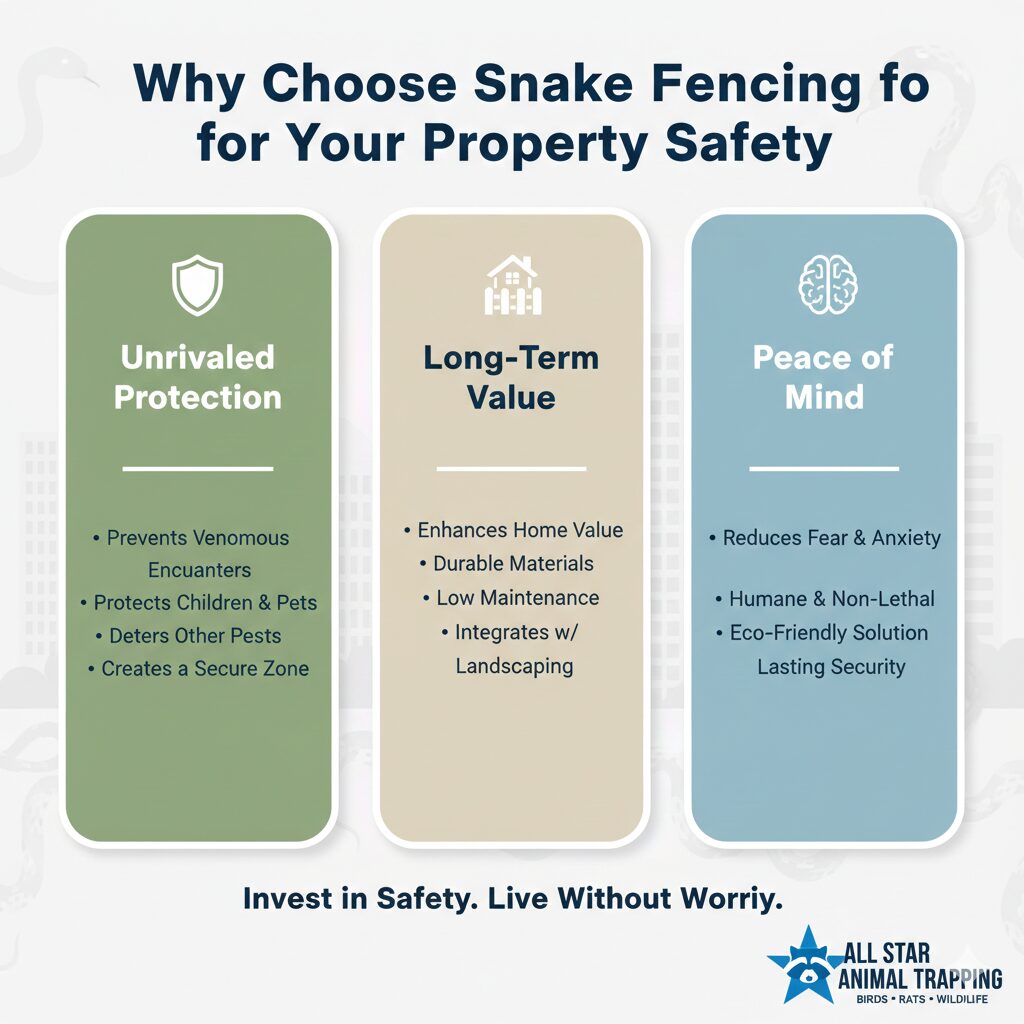
What is Snake Fencing?
Snake fencing is a specially designed barrier that prevents snakes from entering specific areas. The fencing is made from fine mesh or other materials that snakes cannot penetrate.
Professionally installed snake fencing is carefully measured and secured to ensure no gaps are left. This method is particularly useful in areas prone to venomous snakes, offering a safe perimeter around homes, gardens, and commercial properties.
Features of Effective Snake Fencing
- Made of durable, weather-resistant materials.
- The mesh size is small enough to prevent snake entry.
- Angled or buried bottoms to deter burrowing.
Benefits of Using Snake Fencing
Snake fencing provides a non-lethal, environmentally friendly method of controlling snakes. It allows property owners to maintain outdoor spaces without fear of snake encounters.
- Reduces snake-related accidents.
- Maintains the aesthetic appeal of the property.
- Can be customized for various property sizes.
How Snake Fencing Protects Your Property
Snake fencing acts as a physical barrier that snakes cannot bypass. Enclosing vulnerable areas reduces the risk of dangerous encounters significantly.
Proper installation includes securing the fence into the ground and adding an overhang where necessary to prevent snakes from climbing over. It is a proven method that is both effective and low-maintenance, giving property owners confidence in their safety measures.
The Science Behind Snake Fencing
The design is based on the behavior and physical abilities of snakes. Since snakes cannot climb smooth vertical surfaces easily and cannot squeeze through small openings, fencing takes advantage of these traits.
- Snakes are deterred by fine mesh that is difficult to navigate.
- Buried fencing stops snakes from entering underground burrows.
- Angled tops prevent climbing snakes from crossing over.
Why Professionals Recommend Snake Fencing
Experts recommend snake fencing for high-risk areas because it is proactive, cost-effective, and long-lasting. Using professionally installed fencing reduces liability risks and ensures optimal performance.
- Provides a safe environment for children and pets.
- Minimizes interruptions in outdoor activities.
- Helps avoid costly medical emergencies related to snake bites.
Types of Snake Fencing
There are several types of snake fencing designed for different applications. Each type offers unique benefits depending on the property and environmental conditions.
Mesh Snake Fencing
This is the most common type and is suitable for residential and commercial properties. The fine mesh prevents snakes from entering while allowing airflow and visibility.
Solid Panel Snake Fencing
Solid panels provide a more robust barrier, often used in areas with aggressive or large snake species.
Electric Snake Fencing
Electric fencing is less common but effective in high-risk regions. It delivers a mild shock to deter snakes, combined with physical barriers for maximum protection.
Choosing the Right Fence
When selecting the type of fence, consider the local snake population, property size, and intended use of the fenced area. A professional can assess your property and recommend the most effective solution.
Cost of Snake Fencing
The cost of snake fencing varies depending on materials, length, and installation complexity. On average, residential fencing ranges from $10 to $25 per linear foot, while commercial installations can be higher.
| Fence Type | Cost per Linear Foot | Recommended Use |
| Mesh Snake Fencing | $10 – $15 | Residential gardens, yards |
| Solid Panel Fencing | $20 – $25 | High-risk areas, farms |
| Electric Fencing | $25+ | Large commercial or high-risk |
Investing in high-quality materials ensures long-term durability, reducing maintenance costs and offering peace of mind for years.
Installation Tips for Maximum Effectiveness
Proper installation is crucial for snake fencing to be effective. Even small gaps can allow snakes to enter, so attention to detail is key.
Preparing the Area
- Clear the surrounding vegetation to prevent climbing paths.
- Ensure the ground is level and free of debris.
- Plan fence height according to local snake species.
Installation Best Practices
- Bury the bottom 6–12 inches to prevent burrowing.
- Angle the top outward to deter climbing.
- Use durable fasteners to secure the fencing in place.
Maintenance of Snake Fencing
Regular maintenance ensures the fence continues to serve its purpose. Inspecting the fence periodically helps identify weaknesses or damage that may allow snakes entry.
Routine Checks
- Look for holes or gaps along the bottom.
- Check for rusted or broken fasteners.
- Remove debris that could bridge the fence.
Long-Term Care
- Repaint or coat metal fencing to prevent corrosion.
- Trim nearby vegetation that may touch the fence.
- Schedule professional inspections every 1–2 years.
Snake Fencing for Commercial Properties
Businesses, farms, and industrial areas benefit greatly from snake fencing. It protects employees, visitors, and livestock from potential snake threats.
Benefits for Commercial Spaces
- Reduces liability risks related to snake bites.
- Maintains productivity by preventing interruptions.
- Ensures compliance with workplace safety regulations.
Special Considerations
- Larger perimeter fencing may be required.
- High-risk areas need additional barriers or electrification.
- Professional consultation is recommended for optimal placement.
Conclusion
Snake fencing is a proactive, reliable, and long-lasting solution for property safety. By preventing snake entry, it protects families, pets, and employees while reducing liability risks for property owners. Investing in professional snake fencing ensures durability, proper installation, and peace of mind.
With proper maintenance and installation, snake fencing offers a safe outdoor environment without compromising aesthetic appeal or usability. Whether for residential or commercial properties, it is an essential safety measure for any area prone to snake encounters. Choosing snake fencing is not just a precaution—it is a smart investment in property safety.
FAQS
1. How long does it take to install snake fencing?
Installation time depends on property size and terrain, but most residential fences can be installed in 1–3 days. Professional installation ensures proper alignment and maximum effectiveness against snakes.
2. Can snake fencing be used in gardens with plants and flowers?
Yes, snake fencing can be customized to protect gardens without harming plants. The fine mesh allows sunlight and water to pass through while keeping snakes out.
3. Is snake fencing effective against all types of snakes?
Snake fencing works against most terrestrial snakes, including venomous species. Extremely large or climbing snakes may require additional barriers for complete protection.
4. Can I combine snake fencing with other snake control methods?
Yes, combining fencing with habitat management and repellents increases overall protection. This multi-layered approach minimizes snake encounters around your property.
5. Does snake fencing require a permit in urban areas?
In most urban areas, snake fencing does not require a permit. However, it’s recommended to check local regulations for height restrictions and boundary rules.
6. Can snake fencing withstand extreme weather conditions?
High-quality snake fencing is designed to resist rain, wind, and UV exposure. Regular inspections and maintenance ensure it remains effective in harsh climates.
7. Is snake fencing safe for children and pets?
Yes, snake fencing creates a secure barrier without using chemicals or traps. Children and pets can safely play in enclosed areas without risk of snake encounters.
8. How often should snake fencing be replaced?
With proper maintenance, snake fencing can last 10–15 years. Replacement may be needed sooner if damage occurs from wear, weather, or tampering.
Humane Wildlife Removal You Can Trust
When nuisance wildlife becomes a problem, rely on All Star Animal Trapping for professional and humane animal removal services. We safely remove raccoons, skunks, squirrels, rodents, and more — protecting your home and family the right way.