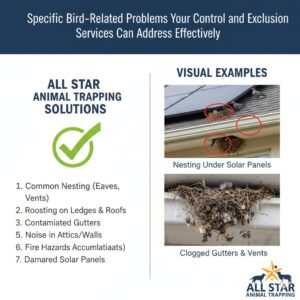
Bird infestations are more than just a nuisance—they can damage property, spread diseases, and create safety hazards. Businesses and homeowners alike face significant challenges when birds congregate in unwanted areas. Effective bird control and exclusion services are essential for maintaining a clean, safe, and hygienic environment.
Professional bird control services provide tailored solutions to prevent and mitigate bird-related problems. From physical exclusion methods to behavioral deterrents, these services tackle infestations efficiently. Addressing these issues proactively saves time, reduces property damage, and ensures compliance with local health regulations.
Understanding Common Bird-Related Problems in Urban and Commercial Settings
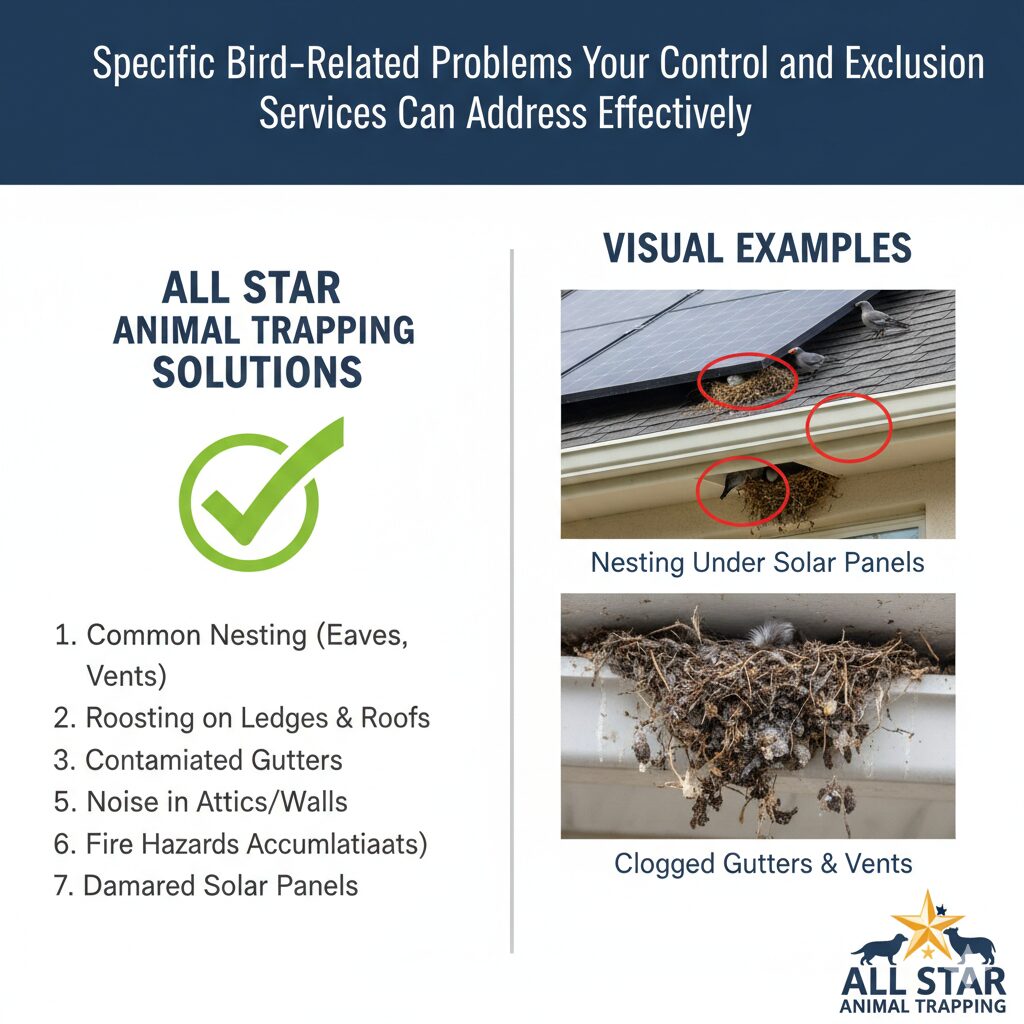
Birds, especially pigeons, seagulls, and sparrows, often target buildings, warehouses, and restaurants. Their droppings can corrode metal structures and damage roofs, causing costly repairs. Additionally, nests built in vents or chimneys can block airflow, creating fire hazards.
Infestations also pose serious health risks. Bird droppings carry pathogens like Histoplasmosis and Salmonella, which can affect employees and customers. Moreover, accumulated debris from nesting material attracts other pests such as rats and insects. Effective bird control reduces these risks while maintaining the aesthetic and functional integrity of your property.
Pigeon Control Solutions for Commercial Properties
Pigeons are notorious for their ability to adapt to urban environments. They gather in large numbers on rooftops, ledges, and ventilation systems. Exclusion services such as netting, spikes, and wire systems prevent pigeons from roosting and nesting.
Behavioral deterrents like reflective devices and sound-based repellents complement physical barriers. These solutions create an inhospitable environment for pigeons while remaining humane. Businesses benefit from reduced maintenance costs and improved sanitary conditions.
Rooftop and Ledge Exclusion Techniques
Rooftops and ledges attract pigeons due to safety and visibility. Installing anti-roosting spikes or netting prevents birds from landing and nesting. These systems are discreet, long-lasting, and highly effective.
Behavioral and Sound Deterrents
Auditory devices emit frequencies uncomfortable to birds but harmless to humans. Combined with visual deterrents, they create a comprehensive approach to pigeon control. Regular monitoring ensures sustained results over time.
Preventing Bird Droppings Damage
Bird droppings are acidic and can damage building exteriors, vehicles, and outdoor equipment. Regular cleaning is costly and time-consuming, making prevention a smarter choice. Exclusion systems and protective barriers significantly reduce droppings in high-traffic areas.
Using angled spikes, mesh, and tension wires discourages birds from landing on vulnerable surfaces. This approach protects surfaces without affecting normal human activities. Commercial properties can maintain a professional appearance and avoid structural deterioration.
Bird Nesting Prevention Strategies
Bird nests can block drainage systems, gutters, and ventilation ducts. This blockage leads to water damage, mold growth, and potential fire hazards. Exclusion services prevent nesting by sealing entry points and installing deterrents.
Behavioral strategies like decoy predators and reflective objects discourage birds from attempting to nest. Regular inspections ensure that no new nesting occurs, providing long-term protection. Maintaining proactive nesting prevention improves safety and operational efficiency.
Sealing Entry Points
Birds often enter through vents, attics, and gaps in roofing. Proper sealing prevents birds from accessing these vulnerable areas. Durable materials ensure long-term exclusion and minimize maintenance needs.
Decoy Predator Installation
Life-like owls and hawk decoys exploit natural fear responses in birds. Strategic placement around rooftops and ledges deters birds effectively. This method is non-invasive, eco-friendly, and visually subtle.
Health Risks Associated With Bird Infestations
Birds carry pathogens that can spread to humans, causing diseases such as Psittacosis, Histoplasmosis, and Salmonella. Infestations increase the likelihood of contamination in food service areas and warehouses. Effective bird control minimizes exposure to harmful pathogens and protects public health.
Protective cleaning measures, droppings removal, and exclusion systems are critical in reducing disease transmission. Businesses must comply with health regulations to avoid fines and reputational damage. Regular maintenance ensures continued health and safety standards.
Bird Exclusion Solutions for Roofs, Gutters, and Vents
Birds target roofs, gutters, and ventilation systems for nesting and perching. Clogged gutters lead to water overflow, structural damage, and pest infestations. Exclusion solutions such as mesh guards, netting, and tension wires prevent these problems effectively.
Mesh and Netting Systems
Durable mesh and netting cover vulnerable areas without compromising aesthetics. These systems prevent birds from entering while allowing airflow. Professional installation ensures long-lasting effectiveness.
Tension Wire Systems
Tension wires create unstable landing zones for birds. Birds avoid areas where perching is uncomfortable or impossible. This humane method is suitable for a wide variety of bird species.
Seasonal Bird Management Techniques
Bird activity varies seasonally, with nesting and migration creating specific challenges. Seasonal bird management involves proactive inspections and tailored exclusion methods. Temporary deterrents may be installed during peak nesting seasons to protect buildings.
Regular monitoring helps identify early signs of infestations. Seasonal strategies ensure that your property remains bird-free year-round. Commercial operations benefit from uninterrupted services and reduced maintenance costs.
Auditory and Visual Bird Deterrents
Visual deterrents include reflective tape, predator decoys, and holographic devices. Auditory deterrents use ultrasonic sounds and distress calls to repel birds. Combining both methods enhances effectiveness.
- Reflective Tape: Confuses birds and prevents landings.
- Predator Decoys: Exploit the fear instincts of birds.
- Ultrasonic Devices: Emit safe high-frequency sounds.
- Holographic Objects: Distract birds visually.
- Motion-Activated Sprinklers: Scare birds away from lawns and gardens.
These solutions reduce infestations without causing harm. They are suitable for commercial and residential properties. Professional guidance ensures maximum efficacy and durability.
Legal and Ethical Considerations in Bird Control
Effective bird control follows local wildlife regulations and ethical practices. Many bird species are protected, requiring humane methods for exclusion. Professional services ensure compliance and avoid legal penalties.
Non-lethal methods such as exclusion, deterrents, and habitat modification respect wildlife while protecting property. Educating property owners on ethical practices fosters sustainable and responsible bird management.
Monitoring and Maintenance for Long-Term Bird Control
Ongoing monitoring is critical for sustained bird exclusion. Regular inspections identify new access points or damage to deterrent systems. Preventive maintenance ensures long-term success and cost-efficiency.
Routine Inspections
Inspect rooftops, vents, and gutters every 3–6 months. Early detection prevents serious infestations.
System Maintenance
Repair damaged nets, wires, and spikes promptly. Regular upkeep prolongs effectiveness.
Seasonal Adjustments
Modify deterrents according to seasonal bird activity. This ensures year-round protection.
Conclusion
Professional bird control and exclusion services address a wide range of bird-related problems efficiently. From preventing damage to mitigating health risks, these services protect property and people. Tailored solutions like netting, spikes, decoys, and sound devices ensure humane and effective management. Regular monitoring and maintenance guarantee long-term results and cost savings.
Investing in bird exclusion services is essential for businesses and homeowners who prioritize safety, cleanliness, and compliance. By addressing infestations proactively, property owners avoid structural damage, maintain hygiene, and foster a professional environment. Humane, ethical, and effective bird control is an investment in long-term property protection and public health.
FAQs
1. How do bird exclusion services prevent pigeons from nesting?
They use netting, spikes, and wire systems to block access to roofs and ledges. Birds are deterred naturally without harm.
2. Are bird control methods safe for humans and pets?
Yes, professional exclusion systems are designed to be safe and non-toxic. They avoid chemicals or harmful traps.
3. Can bird droppings cause structural damage?
Yes, the acidic nature of droppings corrodes metals, damages paint, and deteriorates concrete over time.
4. How often should bird control systems be inspected?
Professional inspections are recommended every 3–6 months. Early detection ensures long-term effectiveness.
5. Are ultrasonic bird deterrents effective?
Yes, they emit frequencies that disturb birds while remaining inaudible to humans.
6. Do decoy predators actually work?
Yes, birds avoid areas with life-like predator decoys due to fear instincts.
7. Can seasonal changes affect bird infestations?
Yes, nesting and migration increase bird activity in certain seasons, requiring proactive measures.
8. Is bird exclusion legal for all species?
Most methods are legal if they comply with local wildlife protection laws. Professional services ensure compliance.
Humane Wildlife Removal You Can Trust
When nuisance wildlife becomes a problem, rely on All Star Animal Trapping for professional and humane animal removal services. We safely remove raccoons, skunks, squirrels, rodents, and more — protecting your home and family the right way.