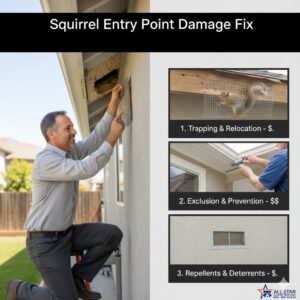
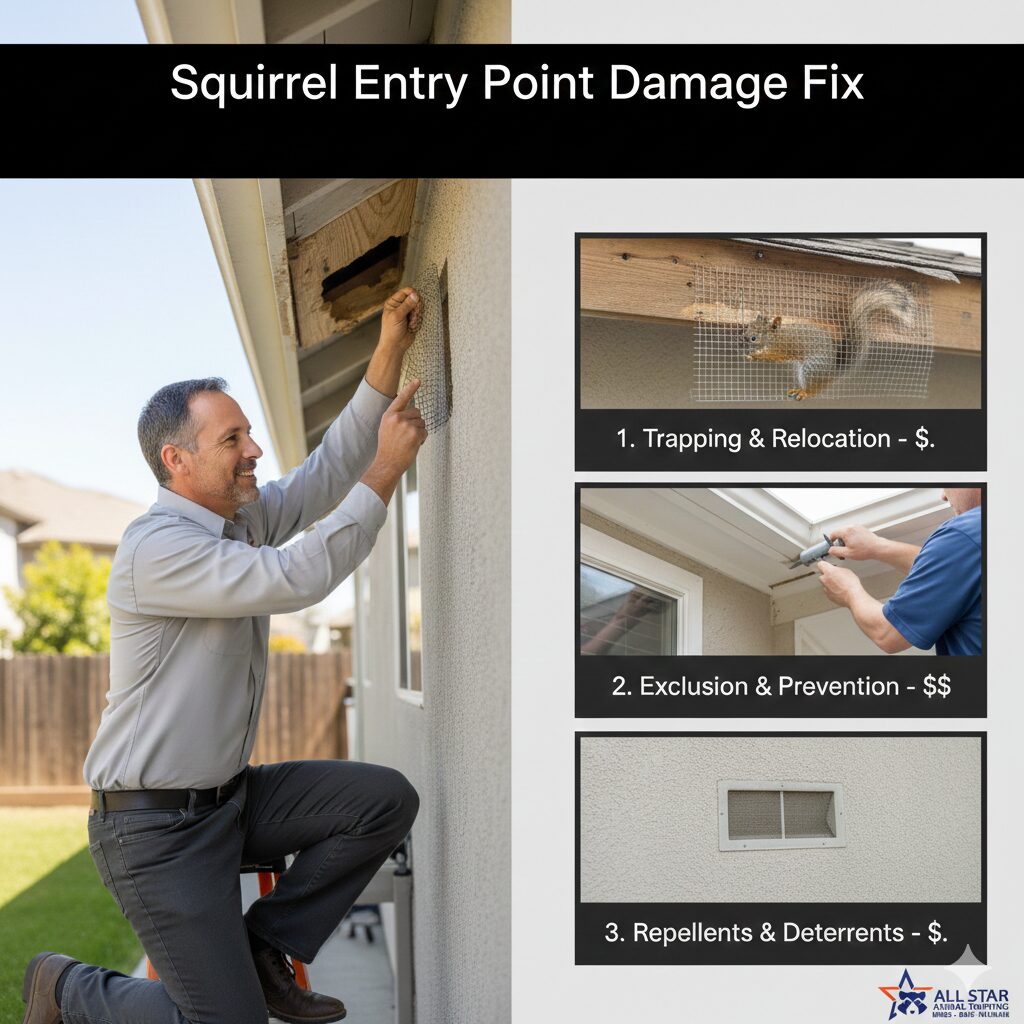
Squirrels are clever, persistent animals that can cause severe damage to homes if they find their way inside. They often target attics, roofs, and vents, chewing through wood, insulation, and even electrical wiring. Performing a proper squirrel entry point damage fix not only restores your home but also prevents costly future repairs.
Ignoring early signs of damage can result in more significant problems over time. A thorough squirrel entry point damage fix addresses both the visible destruction and the hidden vulnerabilities, ensuring a long-lasting solution. By understanding the process and taking action promptly, homeowners can protect their properties efficiently.
Why Squirrels Target Homes
Squirrels are naturally drawn to safe, warm, and food-accessible environments. Your attic, roof, or gaps in the siding provide the perfect shelter, especially during colder months.
Understanding why squirrels invade homes helps in planning a comprehensive squirrel entry point damage fix. They are not malicious; they are simply seeking security and sustenance. This knowledge allows you to tackle the issue proactively rather than reactively.
Food Sources Nearby
Squirrels are attracted to bird feeders, trash bins, and pet food left outside. Reducing these attractants limits their incentive to enter your home.
Shelter Opportunities
Homes provide warmth and protection, particularly in winter. Repairing entry points ensures squirrels cannot exploit these safe havens.
Nesting Materials
Squirrels seek soft materials for nesting, such as insulation or paper. Proper removal and repairs prevent them from building nests inside.
Identifying Common Squirrel Entry Points
Pinpointing how squirrels enter your property is the first step in an effective squirrel entry point damage fix. Common entry points include roof gaps, attic vents, chimney openings, and damaged soffits.
Homeowners should regularly inspect their homes, especially high-risk areas. Early detection of entry points ensures repairs are efficient, less costly, and more effective.
Roof Valleys and Shingles
Squirrels often exploit loose shingles or roof valleys. Inspecting these areas prevents roof intrusion.
Attic and Soffit Gaps
Gaps under eaves and soffits are easy access points. Reinforcing these areas is critical for a successful repair.
Chimneys and Exhaust Vents
Chimneys and vents provide a direct route into homes. Installing caps and mesh covers blocks squirrel access.
Window and Door Frames
Small gaps around windows and doors can serve as entry points. Sealing these gaps is a simple but essential part of a complete repair.
Materials Needed for a Squirrel Entry Point Damage Fix
A durable repair requires proper materials to withstand persistent squirrel activity. Using substandard products may result in repeated damage, undermining your efforts.
- Metal Mesh (Stainless Steel) – Strong, chew-resistant material for patching holes
- Heavy-Duty Caulking – Seals small cracks and prevents re-entry
- Treated Plywood or Wood Panels – Reinforces structural weak points.
- Hammer, Nails, and Screws – Secure mesh and panels effectively
- Protective Gloves and Eye Gear – Safety during repairs
- Wire Brush – Cleans surfaces before repair
- Sealant Spray – Waterproofs repaired areas
High-quality materials ensure longevity and reduce the risk of recurring infestations. Investing in the right supplies is a critical part of a professional-level squirrel entry point damage fix.
Step-by-Step Squirrel Entry Point Repair Process
Repairing squirrel damage requires systematic action to ensure no weaknesses remain. Following a structured repair process is essential for an effective squirrel entry point damage fix.
- Inspection and Assessment – Identify all holes, gaps, and weak points. Use flashlights and binoculars for hard-to-see areas.
- Debris and Nest Removal – Remove any nests, droppings, or shredded insulation. This discourages squirrels from returning.
- Secure Entry Points – Use metal mesh, treated wood, and caulking to seal gaps. Ensure all openings are reinforced.
- Material Application – Attach panels or mesh firmly with nails, screws, or adhesive. Check for gaps that could allow re-entry.
- Post-Repair Inspection – Verify the integrity of the repair by applying gentle pressure and checking for movement.
Metal Mesh Application
Cut the mesh slightly larger than the hole. Secure edges with nails or screws, leaving no gaps.
Caulking and Sealants
Use heavy-duty caulking to seal smaller cracks. Apply generously to ensure long-term protection.
Panel Replacement
Replace damaged wood with treated plywood. Ensure panels are flush and tightly secured to prevent squirrels from prying them.
Signs That Squirrel Damage Requires Immediate Attention
Recognizing early signs of squirrel intrusion is vital. Common indicators include:
- Shredded insulation in attics or walls
- Chewed electrical wiring
- Droppings near vents or entry points
- Unusual noises in the attic or behind walls
- Loose or damaged roof shingles
Ignoring these signs can lead to severe structural damage. A prompt and thorough squirrel entry point damage fix prevents escalation and saves money.
Seasonal Considerations for Squirrel Entry Repairs
Squirrel activity fluctuates throughout the year. Understanding seasonal patterns helps in planning an effective repair strategy.
Fall and Winter: Squirrels actively seek warm shelter, increasing the likelihood of intrusion.
Spring and Summer: Activity reduces, but preventive maintenance is recommended to address weakened structures.
Scheduling repairs and inspections according to seasonal behavior enhances the effectiveness of your squirrel entry point damage fix.
Long-Term Prevention Strategies
A permanent solution requires long-term prevention. Beyond repairing damage, implement ongoing measures to reduce future risks.
- Trim tree branches near the roofline
- Install chimney and vent caps.
- Regularly inspect the attic and roof areas.
- Secure bird feeders and outdoor food sources
- Use stainless steel mesh for structural reinforcement.
Consistent application of these strategies ensures squirrels have minimal opportunity to re-enter your home, complementing your initial squirrel entry point damage fix.
Professional vs DIY Squirrel Entry Point Damage Fix
While DIY repairs are possible for minor damage, professional services ensure comprehensive coverage.
DIY Repairs
- Affordable and immediate
- Suitable for small holes or cracks
- Limited in detecting hidden damage
Professional Services
- Thorough inspection and repair
- Long-lasting solutions
- Compliance with safety standards
- Expert advice on prevention strategies
Professional repair guarantees a higher-quality squirrel entry point damage fix, reducing the risk of recurring infestations.
Cost Considerations for Squirrel Entry Point Damage Fix
Repair costs vary depending on damage severity, entry point size, and materials used.
- Minor repairs: $100–$300
- Moderate repairs: $300–$700
- Extensive roof or attic repairs: $700+
Investing in quality repairs and materials is more cost-effective than repeated temporary fixes. A well-executed squirrel entry point damage fix prevents additional expenses and protects your property.
Eco-Friendly Solutions for Squirrel Damage Repair
Humane, environmentally-friendly methods are increasingly popular. Focus on non-toxic repellents, natural materials, and non-lethal exclusion methods.
- Use stainless steel mesh instead of plastic.
- Avoid chemical sprays or poisons.
- Encourage natural barriers like shrubbery.
- Regular maintenance instead of chemical deterrents
- Seal entry points safely to prevent harm to wildlife.
Eco-conscious methods provide a safe, long-term solution for your squirrel entry point damage fix.
Advanced Techniques for Hard-to-Reach Areas
High roof gaps, steep attic corners, and chimney tops require special techniques.
- Use scaffolding or ladders for access
- Employ professional-grade tools for inspection and repair.
- Apply mesh and sealants carefully to ensure no gaps remain.
Addressing these areas is essential for a comprehensive squirrel entry point damage fix. Neglecting hard-to-reach spots often leads to recurring problems.
Quick Fixes for Minor Squirrel Entry Damage
Temporary measures allow immediate control while planning permanent solutions.
- Small holes: metal mesh patch with caulking
- Loose panels: temporarily screw or nail in place
- Monitor repaired areas for re-entry attempts.
- Remove nesting material promptly.
- Keep food sources inaccessible.
Quick fixes complement long-term prevention strategies, ensuring your home remains protected until full repairs are possible.
Emergency Measures When Squirrel Infestation Escalates
In severe cases, act quickly:
- Use humane traps to remove squirrels safely
- Engage professional wildlife removal services.
- Repair major structural damage immediately.y
- Seal all potential entry points post-removal
- Inspect for hidden nests or debris.
Prompt action ensures a thorough squirrel entry point damage fix and prevents further property damage.
Conclusion
A proper squirrel entry point damage fix involves identifying vulnerable areas, repairing damaged structures, and implementing preventive measures. By addressing both immediate damage and long-term risks, homeowners can safeguard their property from costly repairs.
Investing in durable materials, professional expertise, and seasonal inspections ensures that your home remains secure. Combining these strategies with eco-friendly practices results in a lasting, effective squirrel entry point damage fix. Homeowners who take these steps enjoy peace of mind and a squirrel-free property.
FAQs
Q1: Can squirrels cause electrical hazards?
Yes, chewed wires can lead to short circuits or fire risks, requiring immediate repair.
Q2: How do I choose the right mesh for repairs?
Stainless steel mesh is durable and chew-resistant, ideal for long-term fixes.
Q3: How long will a professional squirrel entry point damage fix last?
With quality materials and thorough work, repairs can last several years.
Q4: Can I prevent squirrels without repairs?
Prevention alone is not enough; entry points must be sealed to ensure lasting results.
Q5: Is attic insulation replacement necessary after squirrel damage?
Yes, damaged insulation should be replaced to maintain energy efficiency and cleanliness.
Q6: Are humane traps effective for squirrels?
Humane traps work well when combined with sealing all entry points.
Q7: Should I trim all trees near my house?
Trim only branches near the roofline; squirrels use overhanging branches to access homes.
Q8: Can squirrels damage HVAC systems?
Yes, squirrels can chew wiring and ducts, compromising system efficiency and safety.
Humane Wildlife Removal You Can Trust
When nuisance wildlife becomes a problem, rely on All Star Animal Trapping for professional and humane animal removal services. We safely remove raccoons, skunks, squirrels, rodents, and more — protecting your home and family the right way.