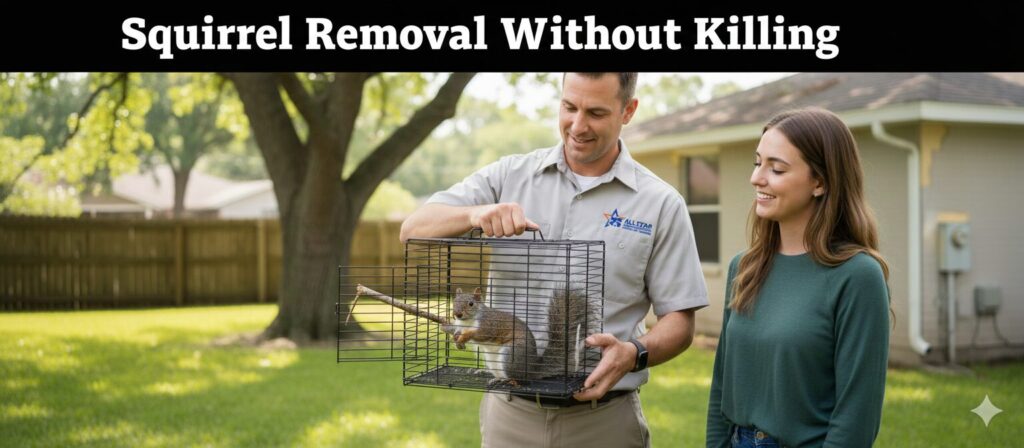
Squirrels are fascinating creatures to watch in gardens and parks, but when they invade homes, they can cause serious damage. They chew on electrical wires, insulation, and wooden structures, creating both fire hazards and costly repairs. Learning squirrel removal without killing ensures homeowners address the problem ethically and effectively.
Humane approaches prioritize safety for both humans and wildlife. By using non-lethal methods, homeowners can remove squirrels while preventing injury and respecting local laws. Understanding squirrel behavior and applying proper techniques ensures long-term success in keeping them out of your home.
How Can You Perform Squirrel Removal Without Killing?
Squirrel removal without killing focuses on safe, ethical strategies to relocate animals. Live traps, one-way exit doors, and exclusion methods are essential tools for humane removal.
Planning and preparation are critical. Identifying entry points, nesting areas, and potential hazards ensures a targeted approach. By following humane practices, homeowners can remove squirrels effectively while maintaining their welfare.
Identifying Active Squirrel Areas
Look for scratching noises, chewed vents, droppings, or shredded insulation. These signs indicate nesting or active movement. Proper identification ensures traps and deterrents are placed where squirrels are most active.
Choosing Humane Methods
Different infestations require different strategies. Small numbers can be removed with DIY traps, while larger infestations may need professional help. Using the appropriate method ensures safety and effectiveness.
What Are the Signs You Need Squirrel Removal Without Killing?
Early detection prevents property damage and allows humane intervention. Rustling sounds in attics, chewed wood or wires, and droppings are common indicators. Recognizing these signs helps homeowners act before the situation escalates.
Ignoring warning signs increases the risk of structural damage and makes humane removal more challenging. Observing behavioral patterns, such as food-seeking and nesting, guides effective interventions.
Auditory Indicators
Squirrels often create noises during early mornings or late evenings. Scratching, rustling, or scurrying sounds in attics signal infestation. Acting on these sounds early ensures safe and humane removal.
Physical Evidence
Gnawed wood, damaged insulation, and droppings are visible clues. Entry points around soffits, vents, or chimneys indicate regular access. Spotting these signs guides placement of live traps and deterrents.
How Do Live Traps Support Squirrel Removal Without Killing?
Live traps provide a non-lethal solution for capturing squirrels safely. They allow squirrels to enter but prevent exit, keeping the animals unharmed. Frequent monitoring reduces stress and ensures ethical treatment.
Once captured, squirrels are relocated to safe, natural habitats following local wildlife regulations. Combining live traps with exclusion techniques maximizes success while preserving animal welfare.
Choosing the Correct Trap
Select traps suitable for attic or yard squirrels. Enclosed designs protect squirrels from environmental stress and predators. Correct trap selection improves capture efficiency and safety.
Effective Bait Placement
Squirrels respond well to nuts, seeds, or fruit. Place bait in active movement areas. Proper baiting reduces stress and ensures humane capture.
What Should You Do After Squirrel Removal Without Killing?
After removal, repair and exclusion are critical to prevent re-entry. Sealing gaps, repairing damaged insulation, and installing barriers ensure long-term protection.
Monitoring the home post-removal ensures squirrels do not return. Professionals may provide additional guidance on maintenance and seasonal precautions.
Repairing Structural Damage
Damaged insulation, wiring, and wood should be repaired immediately. Proper restoration prevents future infestations. Timely repairs also protect property and reduce long-term costs.
Sealing Entry Points
Use metal mesh, durable barriers, and one-way doors. Regular inspections ensure barriers remain effective. Proper exclusion protects both the home and the squirrels.
How Can You Prevent Squirrels From Returning Humanely?
Preventive measures are essential for lasting results. Trimming tree branches, cleaning yards, and installing deterrents reduce opportunities for squirrels to enter homes.
Combining multiple preventive strategies enhances long-term protection. Prevention ensures homeowners maintain ethical and effective wildlife management.
Tree and Yard Maintenance
Trim branches near roofs to limit access. Remove food sources and debris. Maintaining clear surroundings discourages nesting and protects property.
Long-Term Exclusion
Install durable barriers on vents, chimneys, and soffits. Regular inspections keep them effective. Long-term exclusion minimizes repeat infestations while respecting squirrels.
What Are the Best Deterrents for Squirrel Removal Without Killing?
Deterrents help prevent squirrel entry safely. Peppermint oil, predator scents, ultrasonic devices, and motion-activated sprinklers are popular methods.
Combining deterrents with live traps and exclusion increases effectiveness. These solutions are affordable, eco-friendly, and maintain ethical standards.
Placement and Rotation
Deterrents work best near entry points and nesting areas. Refresh scents regularly and adjust devices. Proper placement ensures maximum effect.
Layering Techniques
Using multiple deterrents along with traps and repairs enhances results. Layered approaches reduce stress on squirrels while protecting property. Professionals often recommend this combination for optimal outcomes.
If Squirrels Chew Electrical Wiring, How Should You Remove Them Without Killing?
Squirrels chewing wires present serious fire hazards. Humane removal combined with repairs is crucial. Live trapping and professional intervention ensure safety.
Quick action prevents damage escalation and maintains ethical treatment. Relocating squirrels safely avoids unnecessary harm while protecting property.
Identifying Electrical Hazards
Look for chewed wires, sparks, or flickering lights. Early identification guides safe removal. Prompt action reduces risk to the home and squirrels.
Safe Removal Practices
Wear protective gear and turn off power if needed. Professionals can handle complex repairs while maintaining humane standards. Following safety protocols prevents accidents.
How Do Seasonal Changes Affect Squirrel Removal Without Killing?
Seasonal behavior impacts removal strategy. Breeding seasons in spring and summer require caution, while winter sees squirrels seeking warmth indoors.
Timing interventions correctly ensures humane treatment. Considering seasonal patterns increases capture success and minimizes stress for animals.
Spring and Summer Considerations
Multiple nests may be present during breeding. Avoid disturbing young or separating them from their mothers. Humane methods maintain ethical standards while ensuring effective removal.
Fall and Winter Considerations
Squirrels seek shelter indoors. Quick exclusion prevents extended occupancy. Humane techniques during colder months protect both home and wildlife.
What DIY Methods Work for Squirrel Removal Without Killing?
Homeowners can employ effective DIY methods. Live traps, exclusion devices, and natural deterrents enable safe, non-lethal removal.
Use gloves and protective clothing to avoid contact with droppings. Frequent trap checks minimize stress on squirrels and ensure humane outcomes.
Combining DIY Techniques
Traps plus exclusion and deterrents maximize results. Inspect the home regularly to prevent new entry. Layered approaches balance efficiency, cost, and humane treatment.
Affordable DIY Options
Peppermint oil, homemade deterrents, and mesh barriers are inexpensive and effective. Implementing them properly protects property while adhering to humane standards.
If You Face a Large Infestation, How Should You Remove Squirrels quickly?
Large infestations require fast, strategic action. Professional live trapping, relocation, and emergency repairs are most effective.
Prompt intervention prevents structural damage, fire hazards, and contamination. Combining professional and DIY measures ensures humane and efficient removal.
Emergency Removal Steps
Identify nests, deploy multiple traps, and set temporary exclusion barriers. Repair damage immediately and apply deterrents. These steps guarantee humane, fast, and effective management.
Monitoring and Follow-Up
After removal, continue inspections and maintain exclusion barriers. Adjust deterrents as needed. Long-term monitoring prevents recurrence and protects wildlife.
Checklist for Squirrel Removal Without Killing
- Inspect all potential entry points: attic, walls, and roof.
- Use live traps or one-way doors for ethical capture.
- Repair damaged insulation, wiring, and wood structures.
- Apply deterrents and maintain tree/yard clearance.
- Schedule follow-up inspections to ensure long-term prevention.
Conclusion
Squirrel removal without killing protects both property and wildlife. Combining live trapping, exclusion, repairs, and deterrents ensures effective, ethical management. Prompt action reduces damage, repair costs, and stress for squirrels.
Integrating seasonal awareness, preventive measures, and professional guidance provides long-term protection. Humane removal empowers homeowners to maintain safe, damage-free homes while respecting animal welfare.
FAQs
1. Can I remove squirrels without harming them?
Yes, live traps and exclusion devices allow ethical, non-lethal removal.
2. Are humane removal methods expensive?
Affordable options exist, especially using DIY traps and deterrents.
3. How do I detect squirrel infestation?
Scratching noises, droppings, and chewed insulation are common indicators.
4. Can deterrents fully prevent squirrels?
They work best when combined with exclusion and repairs.
5. Is relocation stressful for squirrels?
Proper handling and release in safe habitats minimizes stress.
6. How long does removal take?
Small infestations can take days; larger ones may take a week.
7. Can young squirrels be relocated safely?
Yes, humane methods avoid separating them from their mothers.
8. Do humane methods prevent future infestations?
Sealing entry points, repairs, and deterrents reduces recurrence risk.
Humane Wildlife Removal You Can Trust
When nuisance wildlife becomes a problem, rely on All Star Animal Trapping for professional and humane animal removal services. We safely remove raccoons, skunks, squirrels, rodents, and more — protecting your home and family the right way.