Wildlife can be fascinating to observe, but when animals invade homes, businesses, or properties, they can cause serious damage. From raccoons and squirrels to bats and birds, unplanned intrusions pose health and safety risks. Turning to humane wildlife removal experts ensures that infestations are handled effectively without harming the animals.
These professionals specialize in ethical removal techniques that protect both property and wildlife. Using humane methods reduces stress on the animals while safeguarding humans and structures. Understanding the importance of expert intervention allows homeowners and business owners to maintain safety and prevent recurring issues.
How Do Humane Wildlife Removal Experts Assess Infestations?
Humane wildlife removal experts begin by evaluating the type and extent of the infestation. They look for signs such as droppings, damage to insulation, gnawed wires, and unusual noises. Proper assessment ensures the selection of the most effective and ethical removal methods.
Experts also identify entry points and nesting areas to prevent repeated intrusions. Observation of animal behavior helps determine the appropriate timing and tools for removal. By assessing the situation thoroughly, professionals can develop a tailored removal strategy.
Identifying Species and Activity Patterns
Different species require distinct removal approaches. For example, raccoons are nocturnal, while squirrels may be active during the day. Understanding activity patterns ensures humane methods are applied effectively and safely.
Evaluating Property Vulnerabilities
Attics, basements, and crawl spaces are common entry points. Inspecting structural weaknesses allows experts to reinforce barriers. Preventing re-entry is a critical step in ethical wildlife management.
What Services Do Humane Wildlife Removal Experts Offer?
Humane wildlife removal experts provide a range of services beyond simple capture. They include live trapping, exclusion, habitat modification, and post-removal repairs. These comprehensive services ensure long-term protection for homes and businesses.
Additionally, experts provide advice on deterrents and preventive measures. They educate clients about wildlife behavior, seasonal trends, and safe interaction practices. This approach combines immediate removal with sustainable prevention strategies.
Live Trapping Techniques
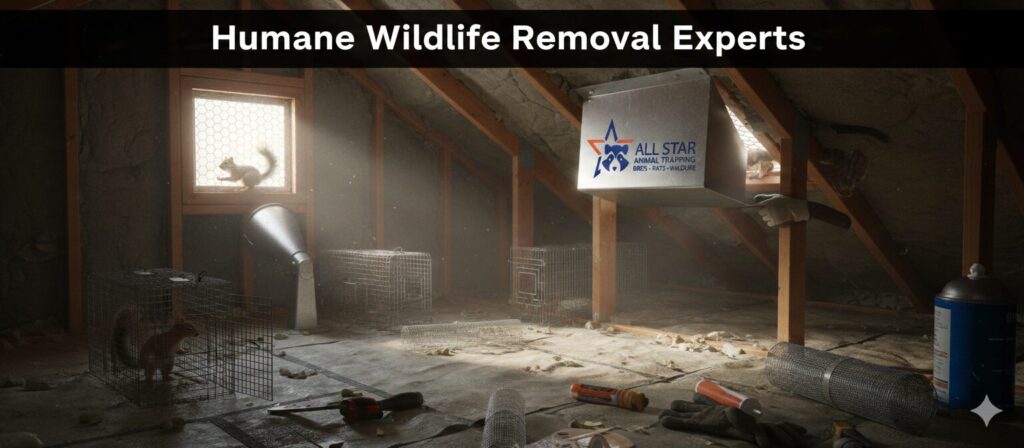
Experts use enclosed live traps that capture animals without causing injury. Traps are placed strategically based on animal movement patterns. Proper baiting and monitoring ensure efficiency and ethical treatment.
Exclusion and Habitat Modification
Exclusion devices prevent re-entry, while habitat modification reduces attractiveness to wildlife. Removing food sources, trimming trees, and securing trash bins are common strategies. These methods complement removal efforts and protect animals.
How Can Experts Ensure Wildlife Is Relocated Safely?
Humane wildlife removal experts follow strict guidelines for safe relocation. Animals are transported to suitable habitats far from urban areas, minimizing stress and environmental impact.
Transport methods include secure carriers, cushioned enclosures, and minimal handling. Relocation also considers seasonal factors, breeding cycles, and availability of food sources to ensure survival.
Site Selection for Relocation
Relocation sites are chosen for safety, shelter, and natural resources. Experts assess predator presence and habitat suitability. Proper site selection increases post-release survival rates.
Handling Techniques
Minimal handling reduces anxiety and stress. Protective gloves, soft carriers, and careful timing are standard procedures. These practices ensure ethical treatment from capture to release.
What Makes Professional Removal More Effective Than DIY?
While DIY methods exist, professional humane wildlife removal experts offer higher success rates. Expertise in behavior, species-specific strategies, and legal compliance ensures effective results.
Professionals also manage large or complex infestations safely. They provide comprehensive repair, prevention, and monitoring services. This holistic approach prevents re-infestation while protecting both humans and wildlife.
Knowledge of Local Wildlife Regulations
Experts are familiar with state and local wildlife laws. Compliance ensures ethical and legal removal. This protects both the homeowner and the animals.
Equipment and Safety
Professionals have access to advanced traps, barriers, and safety equipment. Using these tools minimizes risk to humans and animals. It also improves the efficiency and humane quality of the removal.
How Do Experts Handle High-Risk Situations?
Some infestations pose health and safety risks, including diseases or structural damage. Humane wildlife removal experts use specialized protocols to manage these scenarios.
Risk assessment guides the choice of traps, personal protective equipment, and emergency measures. The goal is to remove wildlife safely without harming animals or property.
Disease Prevention
Animals may carry zoonotic diseases such as rabies or leptospirosis. Experts wear protective clothing and handle animals minimally. Sanitation and proper disposal of waste are also critical steps.
Structural Protection
Wildlife can damage insulation, wires, and wood. Experts repair damage promptly after removal. This ensures homes remain safe and prevents repeat infestations.
What Preventive Measures Do Humane Wildlife Removal Experts Recommend?
Prevention is a key component of humane wildlife management. Experts suggest sealing entry points, securing trash, trimming vegetation, and installing barriers.
They may also recommend using natural deterrents or noise devices. Combining removal with prevention ensures long-term safety and ethical wildlife treatment.
Home and Business Inspections
Routine inspections identify weak points before they become access points. Checking roofs, vents, chimneys, and attics is standard practice. Early detection prevents expensive damage and reduces the need for repeated interventions.
Seasonal Adjustments
Behavior varies by season, so prevention measures must adapt. For example, raccoons seek warmth in winter, while birds nest in spring. Experts adjust strategies accordingly.
If Wildlife Returns, How Do Experts Manage Re-Infestation?
Re-infestation can occur if entry points are missed or deterrents fail. Humane wildlife removal experts perform follow-up inspections to address these issues.
They may install additional exclusion devices, refresh deterrents, or modify habitats. Consistent monitoring prevents new intrusions and ensures humane management.
Monitoring Techniques
Motion sensors, cameras, and regular inspections track activity. Monitoring allows early intervention. This reduces stress on wildlife and prevents property damage.
Adjusting Strategies
Experts adapt removal and deterrent methods as needed. New techniques or tools may be deployed. Flexibility ensures the ongoing effectiveness of humane practices.
How Do Experts Handle Multiple Species Simultaneously?
Properties often host more than one species, such as squirrels, raccoons, and birds. Experts create integrated plans to remove all species ethically.
Different species require unique traps, baiting, and exclusion methods. Coordinated efforts prevent conflict between species and ensure humane outcomes.
Integrated Trapping
Separate traps and devices are used for each species. Experts monitor activity to avoid unintended captures. This ensures each animal is handled appropriately.
Species-Specific Deterrents
Deterrents are tailored for each species’ behavior and preferences. Combining methods ensures maximum effectiveness. Ethical practices remain central to all strategies.
What Makes Hiring Humane Wildlife Removal Experts a Wise Investment?
Hiring experts reduces long-term costs and risks. DIY attempts may fail, causing recurring infestations and damage.
Professionals also provide peace of mind, legal compliance, and ethical handling. Investing in expertise protects property, ensures humane treatment, and prevents future infestations.
Cost-Effectiveness
Although professional services have upfront costs, they prevent expensive repairs. Long-term prevention reduces repeated intervention costs. This makes humane wildlife removal experts a financially wise choice.
Expertise and Guarantee
Experts bring knowledge, equipment, and legal compliance. Many offer guarantees or follow-up services. Homeowners gain confidence in humane and effective outcomes.
Checklist for Humane Wildlife Removal Experts
- Inspect the property for signs of wildlife activity.
- Identify entry points, nests, and food sources.
- Employ live traps and exclusion techniques
- Repair damaged insulation, wiring, and wood.
- Implement long-term deterrents and habitat modifications.
Conclusion
Humane wildlife removal experts provide safe, ethical, and effective solutions for property owners. By combining capture, relocation, prevention, and repairs, they ensure both human safety and animal welfare. Prompt intervention reduces damage, prevents recurring infestations, and maintains peace of mind.
Investing in professional expertise is a long-term solution. Ethical methods, seasonal adjustments, and preventive strategies protect property while upholding humane standards for wildlife. Homeowners and businesses benefit from the experience, tools, and legal knowledge of trained experts.
FAQs
1. Can I hire experts to remove wildlife without harming them?
Yes, humane wildlife removal experts specialize in ethical, non-lethal methods.
2. Are professional removal services expensive?
Costs vary, but hiring experts often saves money long-term by preventing repeated damage.
3. How quickly can experts remove animals?
Depending on the infestation, removal can take days to a week.
4. Do experts repair damage after removal?
Yes, most provide repair services to prevent re-entry and restore property.
5. Can multiple species be removed at the same time?
Yes, experts coordinate strategies for each species safely and humanely.
6. Are humane removal methods legal?
Professional experts comply with all local and state wildlife regulations.
7. Can relocated animals survive in the wild?
Proper relocation ensures animals are released into safe, suitable habitats.
8. How can I prevent wildlife from returning?
Experts recommend sealing entry points, habitat modification, and deterrents for long-term prevention.
Humane Wildlife Removal You Can Trust
When nuisance wildlife becomes a problem, rely on All Star Animal Trapping for professional and humane animal removal services. We safely remove raccoons, skunks, squirrels, rodents, and more — protecting your home and family the right way.