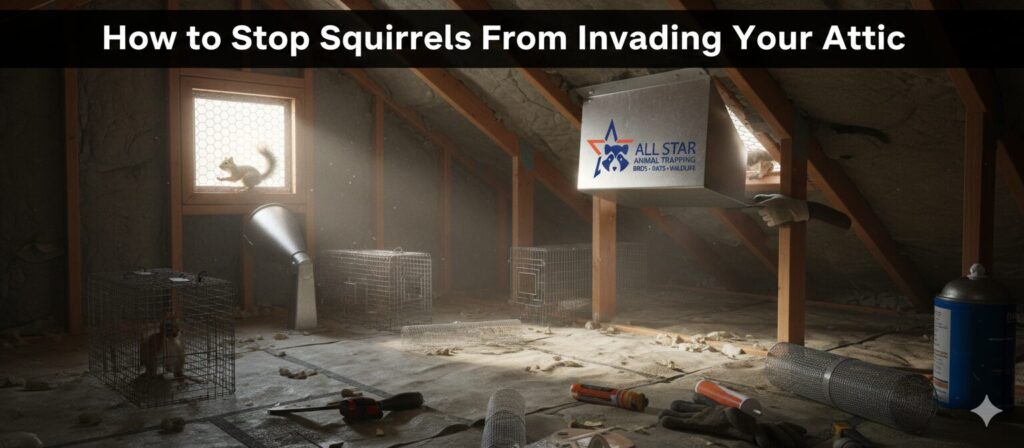
Squirrels may look cute outside, but when they find their way into your attic, they can cause serious damage. From chewing through wires to nesting in insulation, these furry intruders create costly problems for homeowners. Understanding how to stop squirrels from invading your attic is crucial to protecting your home and peace of mind.
Preventing a squirrel invasion requires more than just luck—it involves identifying vulnerabilities, blocking entry points, and using humane removal strategies. Early detection and proper exclusion methods can save you thousands in repairs. This guide will provide detailed, actionable steps to ensure squirrels stay out of your attic for good.
Signs That Squirrels Are Invading Your Attic
Detecting squirrel activity early is essential to stopping an infestation before it escalates. Squirrels are most active at dawn and dusk, so listen for scratching, scampering, or squeaking sounds. Other signs include droppings, chewed wood, or displaced insulation.
Visible damage to vents, roof edges, and soffits often indicates squirrels have already entered your attic. You may also notice a musky odor or nests made from shredded paper, insulation, or fabric. Being proactive can help prevent structural and electrical damage.
Common Sounds of Squirrel Activity
Squirrels produce distinct noises when nesting or moving around:
- Scratching or gnawing inside walls
- High-pitched squeaks at night
- Footsteps on attic beams
Physical Signs of Entry
Look for entry indicators around your roofline:
- Chewed vents or shingles
- Torn screens or loose flashing
- Droppings near eaves
How to Secure Rooflines Against Squirrel Entry
Keeping squirrels out starts at the top of your home. Examine rooflines for gaps, cracks, and loose shingles. Squirrels can squeeze through openings as small as 2 inches.
Seal all potential entry points using metal flashing or hardware cloth. Regularly inspect gutters, vents, and chimneys to ensure squirrels cannot find a weak spot. This simple step dramatically reduces the chances of attic invasion.
Installing Squirrel-Proof Attic Barriers
Physical barriers are among the most effective methods to stop squirrels from invading your attic. Hardware cloth, metal screens, and wire mesh can prevent access through vents, chimneys, and roof openings.
Two layers of protection work best: a primary barrier at the entry point and a secondary reinforcement inside the attic. Always check for gaps or tears in barriers, as squirrels are skilled at finding weaknesses.
Materials That Work Best
- Galvanized steel mesh for vents
- Heavy-duty flashing for eaves
- Metal chimney caps
Avoiding Common Mistakes
- Do not use plastic mesh—it is easily chewed.
- Check for hidden openings around pipes
- Reinforce areas squirrels frequently test.
Trapping and Humane Removal Techniques
If squirrels are already inside, humane trapping is essential to remove them safely. Live traps baited with peanut butter, sunflower seeds, or corn are effective. Once trapped, release squirrels at least a mile away to prevent their return.
Always follow local wildlife laws and avoid lethal methods. Trapping should be combined with sealing entry points to ensure long-term prevention.
How to Stop Squirrels From Invading Attic Spaces with Repellents
Repellents can discourage squirrels from nesting in your attic without causing harm. Commercial squirrel repellents, predator urine, or natural deterrents like peppermint oil may work in some cases.
Spray or place repellents in attics, rooflines, and near potential entry points. Reapply regularly, especially after rain, to maintain effectiveness.
Types of Repellents
- Predator urine
- Peppermint or cayenne oil sprays
- Commercial chemical deterrents
Application Tips
- Focus on entry points and common nesting spots.
- Avoid over-spraying, which may affect indoor air.r
- Combine with exclusion methods for the best results.
Regular Roof and Gutter Maintenance to Prevent Squirrel Damage
Routine maintenance is key to long-term squirrel prevention. Inspect your roof, gutters, and attic twice a year for gaps or wear. Remove debris and trim overhanging tree branches to reduce squirrel access.
Damaged shingles, loose fascia, or clogged gutters invite squirrels into your attic. Preventive maintenance not only stops invasions but also protects your home from water damage.
Using Noise and Light to Deter Squirrels from Attic Areas
Squirrels prefer quiet, dark places for nesting. Bright lights and unexpected noises can make your attic less appealing. Motion-activated lights, radios, or ultrasonic devices may discourage activity.
While noise and light alone won’t completely solve the problem, they are effective as part of a multi-step prevention plan. Combine with physical barriers and repellents for optimal results.
Tree and Yard Management for Squirrel Prevention
Squirrels often access attics from nearby trees. Keep tree branches trimmed at least 6–8 feet from the roofline. Remove food sources like bird feeders or fallen nuts that attract squirrels.
Planting deterrent shrubs or using squirrel-proof bird feeders can reduce nearby squirrel populations. This strategy addresses the root cause of invasions before they start.
Tree Management Tips
- Trim branches away from the house.
- Remove fallen nuts and fruits promptly.
- Inspect for hidden paths from trees to the roof.
Yard Deterrent Options
- Squirrel-proof bird feeders
- Ground barriers around shrubs
- Avoid leaving pet food outside overnight.
Emergency Actions When Squirrels Cause Damage
If squirrels are already causing structural or electrical damage, act quickly. Turn off electricity in affected areas and call a professional if needed. Remove contaminated insulation and repair chewed wires promptly.
Document damage for insurance purposes and implement exclusion methods immediately to prevent further incursions. Quick action minimizes health risks and repair costs.
Long-Term Strategies to Stop Squirrels From Returning
Long-term prevention requires vigilance and regular inspections. Schedule seasonal checks, maintain barriers, and replace damaged vents or screens promptly. Educate household members about warning signs.
Squirrels are persistent and resourceful. A proactive approach ensures your attic remains squirrel-free year-round.
- Seal all roofline gaps and vents.
- Trim overhanging branches
- Use humane traps for intruders.
- Apply repellents near the entry points.
- Maintain regular roof and attic inspection.
Conclusion
Stopping squirrels from invading your attic is a combination of early detection, exclusion, and preventive maintenance. By identifying entry points, installing physical barriers, and using repellents, homeowners can protect their property effectively.
Long-term success depends on regular roof inspections, tree management, and quick action against any signs of intrusion. Following these strategies ensures a squirrel-free attic and prevents costly damage, giving peace of mind for years to come.
FAQs
1. Can squirrels chew through metal barriers?
No, squirrels can chew through wood and plastic, but metal mesh and flashing are generally secure.
2. Are ultrasonic repellents effective for squirrels?
They can deter some squirrels temporarily, but they work best combined with physical exclusion methods.
3. How far should I release trapped squirrels?
Release them at least one mile away to prevent them from returning.
4. Do squirrels carry diseases harmful to humans?
Yes, they can carry parasites like ticks and mites, so avoid direct contact.
5. Can I prevent squirrels without trimming trees?
Trimming branches is highly recommended; otherwise, squirrels may easily access your roof.
6. How often should I inspect my attic?
Inspect at least twice a year and after storms for any signs of squirrel activity.
7. Are chemical repellents safe for pets?
Most commercial repellents are safe when applied according to instructions, but keep pets away during application.
8. How long does it take to fully squirrel-proof an attic?
It depends on the level of damage and the number of entry points, but thorough prevention usually takes a few days to a week.
Humane Wildlife Removal You Can Trust
When nuisance wildlife becomes a problem, rely on All Star Animal Trapping for professional and humane animal removal services. We safely remove raccoons, skunks, squirrels, rodents, and more — protecting your home and family the right way.