Rodents may look small and harmless, but they pose serious risks to human health when they invade homes, workplaces, or surrounding environments. From spreading dangerous diseases to contaminating food and water, rats and mice can silently threaten your family’s well-being. That’s why learning how to protect your health from rodent risksis not just important—it’s essential.
Many people underestimate the long-term impact of rodent infestations, assuming they are only a hygiene issue. In reality, rodent activity can lead to severe illnesses, structural damage, and ongoing health hazards if not addressed properly. By understanding the risks and taking preventive action, you can protect your health from rodent risks and create a safer living environment.
Understanding Rodent Risks to Human Health
Rodents are known carriers of bacteria, viruses, and parasites that can be transmitted to humans in multiple ways. Their urine, droppings, saliva, and even fur can contaminate surfaces and indoor air. When people unknowingly come into contact with these contaminants, the risk of infection increases significantly.
In both urban and rural settings, rodents thrive due to easy access to food and shelter. Once they settle inside a property, they multiply quickly, increasing the chances of disease transmission. This makes early awareness and prevention critical to protect your health from rodent risks.
Rodent risks are not limited to direct contact alone. Even indirect exposure—such as breathing in dust contaminated with rodent droppings—can cause serious respiratory illnesses. Understanding these hidden dangers helps homeowners take rodent control more seriously.
Common Diseases Spread by Rodents
Rodents are responsible for spreading several well-documented diseases that affect humans worldwide. These illnesses can range from mild infections to life-threatening conditions, depending on exposure and immunity. Knowing about these diseases is a key step to protecting your health from rodent risks.
Hantavirus Infections
Hantavirus is transmitted primarily through inhalation of dust contaminated with rodent urine or droppings. Symptoms often start like the flu but can rapidly progress to severe respiratory distress. Early medical attention is critical, as delayed treatment can be fatal.
Leptospirosis
Leptospirosis spreads through water or soil contaminated with rodent urine. It can cause high fever, muscle pain, liver damage, and kidney failure in severe cases. People living in flood-prone or poorly sanitized areas face higher risks.
Salmonella and Food Poisoning
Rodents frequently contaminate food supplies by gnawing through packaging and leaving droppings behind. Consuming contaminated food can lead to Salmonella infections, causing diarrhea, fever, and dehydration. This is especially dangerous for children and elderly individuals.
Plague and Other Bacterial Infections
Although rare in some regions, rodents and their fleas are historically linked to plague outbreaks. Other bacterial infections can also spread through bites or scratches. These risks highlight why it is vital to protect your health from rodent risks at all times.
How Rodents Enter Homes and Buildings
Rodents are extremely adaptable and can squeeze through very small openings. Cracks in walls, gaps under doors, and poorly sealed vents provide easy entry points. Once inside, they quickly establish nests in hidden areas.
Homes with cluttered storage spaces, open food containers, or leaking pipes are particularly attractive to rodents. These conditions offer both shelter and sustenance, encouraging infestations. Addressing these vulnerabilities reduces health risks significantly.
Outdoor factors also play a role, such as overgrown vegetation, uncovered garbage bins, and standing water. When these issues are ignored, rodents are more likely to move indoors. Eliminating entry points is a foundational step to protect your health from rodent risks.
Signs of Rodent Infestation You Should Not Ignore
Early detection of rodent activity can prevent serious health problems. Ignoring small signs often leads to larger infestations that are harder to control. Being alert helps you protect your health from rodent risks more effectively.
Rodent droppings are one of the most common indicators of infestation. These small, dark pellets are often found near food storage areas or along walls. Fresh droppings suggest active rodent presence.
Unusual noises, especially scratching or scurrying sounds at night, also indicate rodents. Additionally, gnaw marks on furniture, wires, or food packaging are clear warning signs. A strong, musty odor may develop as infestations grow.
Health Risks of Rodent Droppings and Urine
Rodent droppings and urine are major sources of contamination inside homes. As they dry, they can break down into fine particles that mix with household dust. Inhaling this dust poses serious respiratory risks.
Cleaning rodent waste improperly can worsen exposure. Sweeping or vacuuming without protective gear can release harmful pathogens into the air. This increases the risk of diseases such as hantavirus.
Direct skin contact with contaminated surfaces can also lead to infection. Children and pets are particularly vulnerable because they often touch floors and objects without awareness. Proper sanitation is essential to protect your health from rodent risks.
Rodent Bites, Scratches, and Secondary Infections
Although rodents generally avoid humans, bites and scratches can occur when they feel threatened. These injuries can introduce bacteria into the bloodstream, leading to infections. Immediate medical attention is often required.
Even minor bites can carry serious pathogens. Without proper cleaning and treatment, wounds may become infected or transmit diseases. This makes rodent control a health priority, not just a comfort issue.
Secondary infections can also occur when rodents bring fleas, mites, or ticks into the home. These parasites can spread additional illnesses, further increasing health risks.
Protect Your Health From Rodent Risks Through Home Hygiene
Maintaining a clean home environment plays a critical role in rodent prevention. Good hygiene reduces food sources and nesting materials that attract rodents. This proactive approach helps protect your health from rodent risks.
Regularly cleaning kitchens, pantries, and dining areas is essential. Food crumbs, spills, and uncovered containers should be avoided. Sealing food in airtight containers significantly reduces rodent attraction.
Waste management is equally important. Garbage bins should have tight-fitting lids and be emptied frequently. Keeping indoor and outdoor spaces clean creates an environment that rodents find less appealing.
Safe Food Storage and Kitchen Practices
Food storage mistakes are one of the main reasons rodents invade homes. Leaving food exposed provides an easy meal for rats and mice. Correct storage practices protect both food quality and health.
Dry goods such as rice, flour, and grains should be stored in sealed containers made of glass or metal. Cardboard and plastic packaging are easy for rodents to chew through. Refrigerating perishable items promptly also reduces risks.
Regularly inspecting food storage areas for signs of contamination is important. Discard any food that shows signs of rodent contact. These habits help protect your health from rodent risks consistently.
Importance of Sealing Entry Points
Sealing entry points is one of the most effective ways to prevent rodent infestations. Even a small gap can allow rodents to enter a building. Careful inspection of walls, roofs, and foundations is necessary.
Using materials such as steel wool, wire mesh, and sealants can block common entry points. Doors and windows should fit tightly, with no gaps. Repairing damaged screens and vents also reduces access.
Regular maintenance ensures that new openings do not develop over time. Prevention through structural integrity is a long-term strategy to protect your health from rodent risks.
Role of Ventilation and Air Quality
Poor indoor air quality can amplify the health risks associated with rodents. Contaminated dust particles can circulate through ventilation systems. This increases the likelihood of inhaling harmful pathogens.
Proper ventilation helps dilute and remove airborne contaminants. Using air purifiers with HEPA filters can further reduce exposure. These measures are especially important in areas with previous rodent activity.
Regularly cleaning vents and air ducts also helps maintain healthier air. Good air quality is an often-overlooked factor in efforts to protect your health from rodent risks.
Professional Rodent Control vs DIY Methods
Many homeowners attempt to handle rodent problems on their own. While DIY methods may work for small infestations, they often fall short in severe cases. Understanding the difference helps you make informed decisions.
Professional pest control services offer expertise, tools, and long-term solutions. They can identify hidden nests and entry points that homeowners may miss. This comprehensive approach reduces health risks more effectively.
DIY methods, such as traps and repellents, can still play a role in prevention. However, relying solely on them may delay proper treatment. Combining approaches often yields the best results to protect your health from rodent risks.
Cost of Rodent Control and Prevention
The cost of rodent control varies depending on the severity of infestation and the methods used. Preventive measures are generally less expensive than treating a full-scale infestation. Investing early can save money and protect health.
Professional services may seem costly upfront, but they often prevent long-term damage and medical expenses. DIY solutions are cheaper but may require repeated efforts. Balancing cost and effectiveness is important.
Below is a unique table outlining common rodent control options and their general impact:
| Control Method | Cost Range | Effectiveness | Health Protection Level |
| DIY Traps | Low | Moderate | Medium |
| Natural Repellents | Low to Medium | Low | Low |
| Professional Services | Medium to High | High | Very High |
| Home Sealing & Repairs | Medium | High | High |
| Ongoing Maintenance | Low | Moderate | Medium |
Protect Your Health From Rodent Risks: Preventive Checklist
To minimize rodent-related health hazards, consistent prevention is key. Small actions taken regularly can significantly reduce risks. Following a checklist ensures nothing is overlooked.
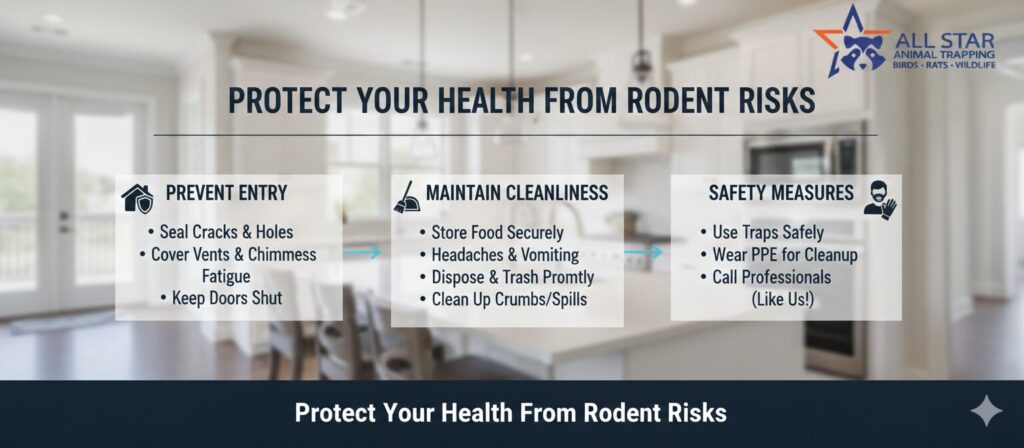
- Seal cracks, gaps, and entry points around the home
- Store food in airtight, rodent-proof containers
- Dispose of garbage properly and frequently.
- Eliminate standing water and moisture sources.
- Keep indoor and outdoor areas clean and clutter-free
These steps collectively help protect your health from rodent risks and maintain a safer environment.
Conclusion
Protecting your family from rodent-related health risks requires awareness, consistency, and timely action. Rodents are more than a nuisance; they are a genuine health threat that can impact daily life. By understanding how infestations occur, you can take effective preventive measures.
Long-term strategies such as proper hygiene, home maintenance, and professional support reduce exposure to harmful pathogens. These efforts are not one-time tasks but ongoing responsibilities. When you actively protect your health from rodent risks, you invest in a safer and healthier future.
Ultimately, prevention is always better than a cure. Addressing rodent risks early minimizes stress, costs, and health complications. With the right approach, you can confidently protect your health from rodent risks and maintain peace of mind.
Frequently Asked Questions (FAQs)
1. Can rodents affect mental health as well as physical health?
Yes, ongoing infestations can cause stress, anxiety, and sleep disturbances. The constant fear of contamination can negatively impact mental well-being.
2. Are rodents dangerous even if they don’t bite?
Absolutely. Rodents can spread diseases through droppings, urine, and contaminated surfaces without direct contact.
3. Do rodents pose higher risks in colder seasons?
Yes, rodents often seek shelter indoors during colder months, increasing the chance of human exposure.
4. Can pets bring rodent-related diseases into the home?
Pets can carry fleas or come into contact with rodent waste, potentially spreading pathogens indoors.
5. Is rodent prevention important in apartments as well as houses?
Yes, shared walls and ventilation systems can allow rodents to move between units easily.
6. How often should homes be inspected for rodent activity?
A thorough inspection every few months is recommended, especially in high-risk areas.
7. Are natural repellents enough to prevent rodents completely?
Natural repellents may help deter rodents, but are rarely sufficient on their own for full prevention.
8. Can past infestations still pose health risks?
Yes, leftover droppings and contaminated areas can remain hazardous if not properly cleaned and sanitized.
Humane Wildlife Removal You Can Trust
When nuisance wildlife becomes a problem, rely on All Star Animal Trapping for professional and humane animal removal services. We safely remove raccoons, skunks, squirrels, rodents, and more — protecting your home and family the right way.