
Rats invading your home are not just a nuisance—they pose serious health risks and can cause extensive property damage. Their gnawing habits can destroy furniture, insulation, and electrical wiring, potentially creating fire hazards. Beyond structural concerns, rats are carriers of multiple diseases, making their presence a significant risk to families and pets alike.
Many homeowners often face the dilemma: Can I handle rat removal myself, or is it better to hire a professional? Understanding the scope of the infestation, potential risks, and available methods is critical before attempting removal. While DIY strategies exist for minor problems, larger or persistent infestations usually require expert intervention to ensure complete eradication. This guide provides detailed insights, practical strategies, safety tips, and preventive measures to help you tackle rat removal effectively.
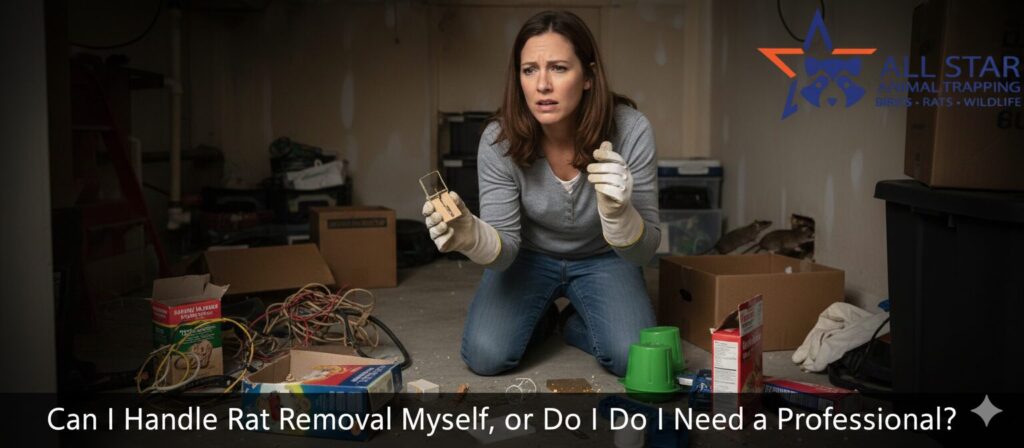
Understanding Rat Removal Needs
Before deciding on any removal strategy, evaluating the severity of the infestation is essential. Rats are highly adaptable and can hide in small spaces, often going unnoticed until damage becomes significant. Minor infestations might involve just one or two rodents, while larger problems can include multiple nests throughout the home.
Accurate assessment helps homeowners choose the most effective method for their situation. Attempting removal without understanding the scale can result in incomplete eradication, which may worsen the problem over time.
Signs of Rat Infestation
- Droppings and urine: Fresh droppings near food sources or along walls are one of the most common indicators of rat activity.
- Gnaw marks: Rats constantly gnaw to keep their teeth sharp, leaving marks on wood, plastic, and electrical wires.
- Noises at night: Scratching, squeaking, or scurrying sounds, particularly after dark, often indicate active rodents.
- Nesting materials: Shredded paper, cardboard, or fabric in hidden corners can serve as rat nests.
Infestation Severity Levels
- Minor: Rare sightings, minimal droppings, negligible property damage. Often manageable with DIY methods.
- Moderate: Frequent sightings, noticeable gnaw marks, multiple nesting areas. May require combined DIY and professional strategies.
- Severe: Persistent infestations, widespread damage, health risks, and potential fire hazards due to gnawed electrical wiring. Professional intervention is highly recommended.
Safe DIY Rat Removal Strategies
For minor infestations, homeowners can often handle rat removal themselves with consistent effort, proper tools, and safety measures. However, DIY methods require patience and monitoring to ensure that all rats are removed and reinfestation is prevented.
Effective Trapping Techniques
Snap traps, live traps, and electronic traps are the most commonly used tools in DIY rat removal.
- Snap traps: Quick and efficient, but require careful placement. Always set them along walls or in areas of high rat activity.
- Live traps: Capture rats without killing them, allowing for relocation far from your home. Ensure compliance with local laws before release.
- Electronic traps: Deliver a high-voltage shock for humane, fast results. These are ideal for indoor use and require less handling.
Placement Tips:
- Position traps near walls, behind furniture, and along known travel paths.
- Rotate bait flavors (peanut butter, dried fruit, or bacon) to attract cautious rats.
- Check traps daily and dispose of captured rodents safely using gloves and sealed bags.
Using Rodenticides Safely
Rodenticides can be effective in controlling rat populations, but must be used responsibly.
- Bait stations: Always use tamper-proof containers to prevent accidental poisoning of children or pets.
- Placement: Place along walls, behind appliances, and in corners where rats travel.
- Safety: Wear gloves when handling poison and wash your hands thoroughly afterward.
Overuse or improper placement of rodenticides can attract predators, contaminate water, or cause accidental poisoning of non-target wildlife.
Environmental Control
Cleaning and securing your environment is critical in preventing rat infestations from worsening.
- Food storage: Keep all food in sealed containers and avoid leaving pet food out overnight.
- Garbage management: Use bins with tight-fitting lids and dispose of waste regularly.
- Home sealing: Close gaps around doors, windows, pipes, and vents. Use steel wool or caulking to block entry points.
- Clutter removal: Reduce piles of cardboard, wood, or other materials that rats could use for nesting.
Professional Rat Removal Advantages
For moderate to severe infestations, professional rat removal offers comprehensive solutions. Experts have the tools, knowledge, and safety protocols necessary for complete eradication.
Expertise in Rat Removal
Professionals can detect hidden nests, travel paths, and entry points that homeowners often overlook. They also have access to stronger baits and specialized equipment not available to the general public.
Why Expertise Matters:
- Rats are intelligent and cautious; ineffective traps often fail to catch them.
- Professionals understand rat behavior, breeding cycles, and environmental patterns, allowing for targeted strategies.
- Thorough removal reduces the risk of reinfestation and property damage.
Health and Safety Precautions
Rats carry dangerous diseases, including leptospirosis, hantavirus, salmonella, and rat-bite fever. Professionals use protective gear and adhere to strict safety protocols to minimize exposure to these pathogens.
Additional Precautions:
- Proper handling of dead rodents to prevent contamination.
- Safe use and placement of rodenticides to avoid risks to humans and pets.
- Disinfection of affected areas to eliminate bacteria and odor.
Long-Term Prevention Solutions
Professional services often include preventive measures that extend beyond immediate eradication.
- Sealing structural gaps and weak points in the home.
- Installing monitoring systems to detect future rodent activity.
- Offering guidance on environmental modifications to make the home less attractive to rats.
Cost Comparison of DIY vs Professional Rat Removal
Choosing between DIY and professional removal depends largely on cost, effectiveness, and safety. While DIY may seem cheaper initially, repeated failures or worsening infestations can make it more expensive in the long run.
DIY Costs
- Traps: $10–$50 each, depending on type.
- Rodenticides: $15–$60 per pack.
- Sealing and repairs: $50–$300, depending on home size and level of damage.
Professional Costs
- Inspection: $75–$150.
- Treatment plan: $200–$60,0, depending on infestation severity.
- Follow-ups: $50–$150 per visit to ensure eradication and monitor prevention.
Professional services, though costlier upfront, offer faster, safer, and more permanent results. They also reduce potential medical expenses and property damage costs caused by unchecked infestations.
Health Risks During Rat Removal
Handling rats without proper precautions can expose you to multiple health hazards. Beyond structural damage, rats are vectors for dangerous pathogens that can impact humans and pets.
Common Rat-Borne Diseases
- Hantavirus: Spread via urine and droppings; can cause severe respiratory illness.
- Salmonella: Contracted through contaminated surfaces or food.
- Leptospirosis: Spread via contact with contaminated water; can lead to kidney and liver issues.
- Rat-bite fever: Caused by bites or scratches, leading to fever and joint pain.
Exposure Risks
- Direct handling of traps, dead rats, or poisoned bait increases the risk of infection.
- Decomposing rats trapped in walls can create foul odors and attract secondary pests such as flies.
- Professionals minimize exposure with safety equipment, proper disposal, and disinfection protocols.
Combining DIY and Professional Methods
For moderate infestations, a combination of DIY and professional strategies often provides the best results. This hybrid approach balances cost, control, and safety.
Hybrid Strategy Steps
- Professional inspection: Identify infestation severity, entry points, and hidden nests.
- DIY implementation: Place traps and baits under guidance.
- Environmental management: Clean and seal areas to reduce reinfestation risks.
- Monitoring: Track rat activity and consult professionals if problems persist.
This strategy allows homeowners to participate actively while benefiting from professional expertise.
Preventing Future Rat Infestations
Once rats are removed, prevention is the most important step to ensure they don’t return.
Structural Prevention
- Seal cracks, holes, and utility gaps.
- Install door sweeps, vent covers, and repair damaged roofing.
- Reinforce weak entry points like attic vents and basements.
Environmental Prevention
- Store all food in airtight containers.
- Dispose of garbage daily in secured bins.
- Remove clutter, cardboard, and potential nesting materials.
Yard and Garden Maintenance
- Trim tree branches away from the house.
- Avoid stacking firewood against walls.
- Maintain a clean yard and remove standing water.
Quick Tips for Effective Rat Removal
- Use multiple trap types for higher success rates.
- Rotate baits to attract wary rats.
- Keep traps and rodenticides out of reach of children and pets.
- Monitor all traps and bait stations daily.
- Seal all entry points after removal to prevent reinfestation.
Conclusion
DIY rat removal can work for minor infestations but requires patience, consistent monitoring, and strict safety precautions. While it is cost-effective, there are inherent risks, including incomplete eradication and health hazards.
For larger infestations, professional rat removal is safer, faster, and more reliable. Combining professional guidance with DIY efforts often yields the best results, balancing cost and efficiency while preventing future infestations. Acting quickly and responsibly protects your home, health, and peace of mind.
FAQs
1. How do I know if professional help is necessary?
If rats are persistent, causing property damage, or have multiple nests, professional intervention is recommended.
2. Can traps alone eliminate an infestation?
Traps may work for minor infestations, but large infestations require additional measures like baits or professional intervention.
3. Are electronic traps safe for pets?
Yes, if used according to instructions and placed out of reach of pets.
4. How fast do rats reproduce?
Rats reproduce every 3–4 weeks, meaning infestations can escalate quickly.
5. Is rodenticide safe indoors?
Only when used in tamper-proof bait stations and placed away from children and pets.
6. How long does professional treatment take?
Generally, 1–3 weeks, depending on infestation severity and follow-up inspections.
7. Can rats be prevented naturally?
Yes, through sanitation, sealing entry points, and removing food sources.
8. Do I need ongoing monitoring after removal?
Yes, monitoring ensures no rats return and keeps your home protected.
Humane Wildlife Removal You Can Trust
When nuisance wildlife becomes a problem, rely on All Star Animal Trapping for professional and humane animal removal services. We safely remove raccoons, skunks, squirrels, rodents, and more — protecting your home and family the right way.