
Opossum trapping may seem simple, but it is actually governed by strict wildlife protection rules in many regions. Understanding how to comply with opossum trapping laws is essential if you want to avoid fines, legal trouble, or harm to protected wildlife. These laws are designed to balance property protection with humane and ethical wildlife management.
Homeowners, landlords, and commercial property managers often face opossum issues and look for legal solutions. Knowing how to comply with opossum trapping laws ensures that trapping is done responsibly, safely, and within legal boundaries. This guide explains everything you need to know, from permits to humane trapping practices and post-capture responsibilities.
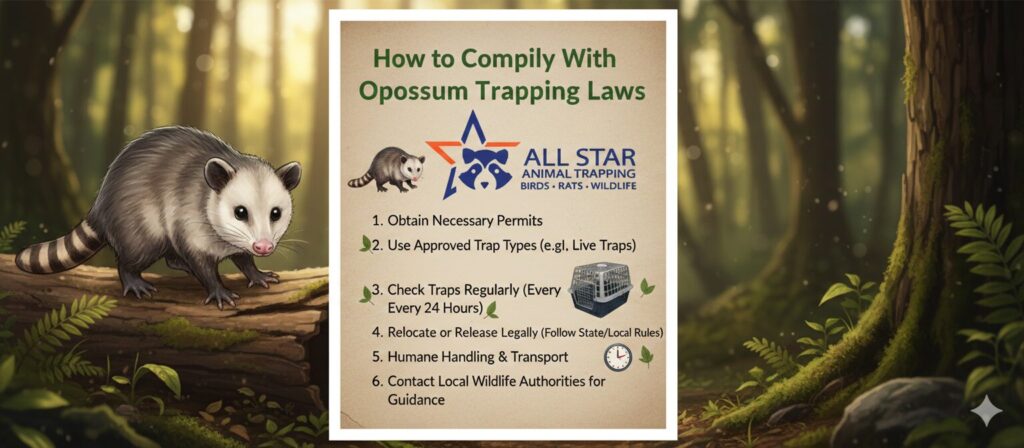
Understanding Opossum Trapping Laws
Opossum trapping laws exist to protect wildlife populations while allowing property owners to manage nuisance animals legally. In many states and countries,opossums are classified as protected wildlife, meaning you cannot trap or relocate them freely. Laws may vary by region, season, and type of property.
Some areas allow opossum trapping only during specific times of the year, while others require professional licensing. Understanding these rules is the first step in learning how to comply with opossum trapping laws effectively. Ignorance of the law is not a valid defense, so proper knowledge is critical.
Why Legal Compliance Matters in Opossum Trapping
Complying with opossum trapping laws protects you from legal penalties and ensures humane treatment of animals. Illegal trapping can result in fines, confiscation of equipment, or even criminal charges in some jurisdictions. Compliance also reduces the risk of lawsuits from neighbors or environmental agencies.
From a commercial perspective, following opossum trapping laws builds trust and credibility. Wildlife control businesses that prioritize compliance are more likely to attract customers and secure long-term contracts. Learning how to comply with opossum trapping laws is both a legal and ethical responsibility.
Protected Status of Opossums
Opossums are often protected under wildlife conservation laws because they play an important role in the ecosystem. They help control insect populations and clean up organic waste. Due to their ecological value, many regions restrict how and when opossums can be trapped.
Some states classify opossums as game animals, while others treat them as non-game protected species. This classification directly affects how to comply with opossum trapping laws, including whether permits are required. Always check your local wildlife authority for exact classifications.
Permits and Licensing Requirements
In many locations, you need a permit or license before trapping an opossum. These permits ensure that trapping is done responsibly and in line with wildlife management goals. Failing to obtain the proper permit is one of the most common violations.
Professional wildlife control operators usually hold special licenses that allow them to trap opossums legally. Homeowners may also need temporary permits depending on local regulations. Knowing permit rules is essential when learning how to comply with opossum trapping laws.
Key permit considerations include:
- Whether residential trapping requires official approval
- If commercial trapping licenses are mandatory
- Seasonal permit restrictions
Humane Trapping Methods Required by Law
Most opossum trapping laws require the use of humane traps that minimize pain and distress. Steel-jaw or lethal traps are often prohibited for opossums. Live-capture cage traps are usually the only legally approved option.
Humane trapping is a core principle of how to comply with opossum trapping laws. Traps must be checked regularly, and captured animals must be handled according to legal guidelines. Failure to follow humane standards can result in serious penalties.
Approved humane trapping practices include:
- Using live cage traps designed for opossums
- Checking traps at least once every 24 hours
- Providing shelter and protection from extreme weather
Trap Placement Rules and Restrictions
Trap placement is often regulated to protect public safety and non-target animals. Many laws prohibit placing traps near schools, sidewalks, or public parks. Traps must also be positioned to avoid capturing pets or other wildlife.
Understanding placement rules is a critical part of how to comply with opossum trapping laws. Improper placement can lead to accidental captures and legal violations. Always follow spacing and visibility requirements set by local authorities.
Residential Property Placement
Residential trapping usually requires traps to be placed only on private property. Permission from property owners is mandatory, especially for rental or commercial spaces. Traps should be hidden from public view whenever possible.
Commercial and Industrial Areas
Commercial properties may have additional restrictions. Traps must not interfere with business operations or public access. Warning signs are sometimes required by law.
Urban vs Rural Differences
Urban areas often have stricter placement rules than rural regions. Noise, public safety, and pet protection are key concerns. Rural properties may allow more flexibility, but still require compliance.
Seasonal Restrictions on Opossum Trapping
Many regions restrict opossum trapping during breeding or birthing seasons. These seasonal laws protect young opossums from being orphaned. Trapping during restricted periods is usually illegal without special authorization.
Seasonal awareness is essential when learning how to comply with opossum trapping laws. Wildlife agencies often publish annual trapping calendars. Always verify current seasonal restrictions before setting traps.
Legal Transportation of Trapped Opossums
Transporting a trapped opossum is another regulated activity. In many areas, relocating wildlife is either restricted or completely illegal. This is to prevent the spread of disease and disruption of local ecosystems.
Legal transportation guidelines often specify distance limits and approved release locations. Understanding these rules helps ensure full compliance with opossum trapping laws. Unauthorized relocation can lead to heavy fines.
Transportation rules may include:
- Maximum relocation distance limits
- Approved release habitats only
- Mandatory reporting to wildlife authorities
Relocation vs Euthanasia Laws
Some jurisdictions allow relocation, while others require on-site release or humane euthanasia. These rules vary widely and depend on local wildlife management policies. Knowing the difference is crucial.
Professional wildlife control companies are usually trained in legal euthanasia methods. Homeowners should never attempt euthanasia unless explicitly allowed by law. This is a critical aspect of how to comply with opossum trapping laws.
Reporting and Documentation Requirements
Certain regions require trapping activities to be reported to wildlife agencies. This may include the number of opossums trapped, locations, and outcomes. Accurate records help authorities monitor wildlife populations.
Documentation is often overlooked but is essential for compliance. Keeping records protects you during inspections or disputes. Proper reporting demonstrates your commitment to legal and ethical trapping practices.
Penalties for Violating Opossum Trapping Laws
Violations of opossum trapping laws can result in severe penalties. These may include fines, license suspension, or criminal charges. Repeat offenders often face harsher consequences.
Understanding penalties reinforces why it is important to learn how to comply with opossum trapping laws. Legal compliance saves money, protects reputation, and prevents unnecessary legal stress.
Hiring a Licensed Wildlife Control Professional
Hiring a licensed professional is often the safest way to ensure compliance. Professionals understand local laws, humane methods, and reporting requirements. They also carry insurance, reducing liability risks.
For commercial properties, professional services are usually the best option. They ensure compliance with opossum trapping laws while delivering effective results. This approach saves time and avoids costly mistakes.
Commercial Responsibilities in Opossum Trapping
Businesses have additional legal responsibilities when dealing with wildlife. Health and safety regulations often apply alongside wildlife laws. Failure to comply can impact business licenses and insurance coverage.
Commercial trapping must follow strict protocols and documentation standards. This makes understanding how to comply with opossum trapping laws even more important for business owners.
Common Mistakes That Lead to Legal Issues
Many people unintentionally break opossum trapping laws due to misinformation. Common mistakes include using illegal traps, relocating animals unlawfully, or ignoring permit requirements. These errors can be costly.
Avoiding these mistakes requires careful planning and research. Staying informed is the best way to ensure legal compliance.
Common mistakes include:
- Using prohibited trap types
- Trapping during restricted seasons
- Failing to report trapping activities
Ethical Considerations Beyond Legal Requirements
Legal compliance is the minimum standard, but ethical responsibility goes further. Humane treatment and respect for wildlife should always be a priority. Ethical trapping builds public trust and personal satisfaction.
Understanding ethics complements learning how to comply with opossum trapping laws. Responsible practices benefit both humans and wildlife.
Role of Wildlife Authorities and Inspections
Wildlife agencies enforce trapping laws through inspections and audits. Inspectors may check permits, trap types, and records. Cooperation with authorities is essential.
Being prepared for inspections ensures smooth compliance. This reinforces your understanding of how to comply with opossum trapping laws in real-world scenarios.
Technology and Modern Trapping Compliance
Modern traps and monitoring tools help ensure humane and legal trapping. Motion alerts and remote monitoring reduce response time. These tools support compliance and efficiency.
Using approved technology can improve outcomes and reduce risks. It also demonstrates commitment to lawful practices.
Environmental Impact of Legal Opossum Trapping
Legal trapping minimizes negative environmental impact. Proper methods protect ecosystems and non-target species. This balance is central to wildlife conservation goals.
Understanding environmental impact is part of learning how to comply with opossum trapping laws responsibly.
Final Legal Checklist for Compliance
Before trapping an opossum, review all legal requirements. This checklist helps ensure full compliance and peace of mind.
Quick compliance checklist:
- Verify local opossum classification
- Obtain required permits
- Use only approved humane traps.
- Follow placement and seasonal rules.
- Document and report as required
Conclusion
Opossum trapping laws are designed to balance human needs with wildlife protection. Ignoring these laws can lead to serious legal and financial consequences. That is why learning how to comply with opossum trapping laws is so important.
A well-informed approach ensures ethical treatment, legal safety, and long-term solutions. By staying updated on regulations and best practices, you can manage opossum issues confidently and lawfully.
Frequently Asked Questions (FAQs)
1. Can I trap an opossum without a permit?
In many regions, trapping without a permit is illegal. Always check local wildlife regulations before setting a trap.
2. Are DIY opossum traps legal?
Homemade traps are often prohibited because they may not meet humane standards. Approved commercial traps are usually required.
3. Can I release a trapped opossum in a nearby park?
Releasing opossums in public areas is commonly illegal. Wildlife laws usually restrict relocation locations.
4. How often must traps be checked by law?
Most laws require traps to be checked at least once every 24 hours. Some regions mandate more frequent checks.
5. Are opossum trapping laws the same everywhere?
No, laws vary by state, province, and country. Local wildlife authorities provide the most accurate information.
6. What happens if I accidentally trap another animal?
You are usually required to release non-target animals immediately. Reporting may also be required in some areas.
7. Do businesses face stricter opossum trapping laws?
Yes, commercial properties often have additional health, safety, and reporting obligations.
8. Is professional opossum trapping worth the cost?
Hiring professionals reduces legal risk and ensures compliance. It is often the safest and most effective option.
Humane Wildlife Removal You Can Trust
When nuisance wildlife becomes a problem, rely on All Star Animal Trapping for professional and humane animal removal services. We safely remove raccoons, skunks, squirrels, rodents, and more — protecting your home and family the right way.