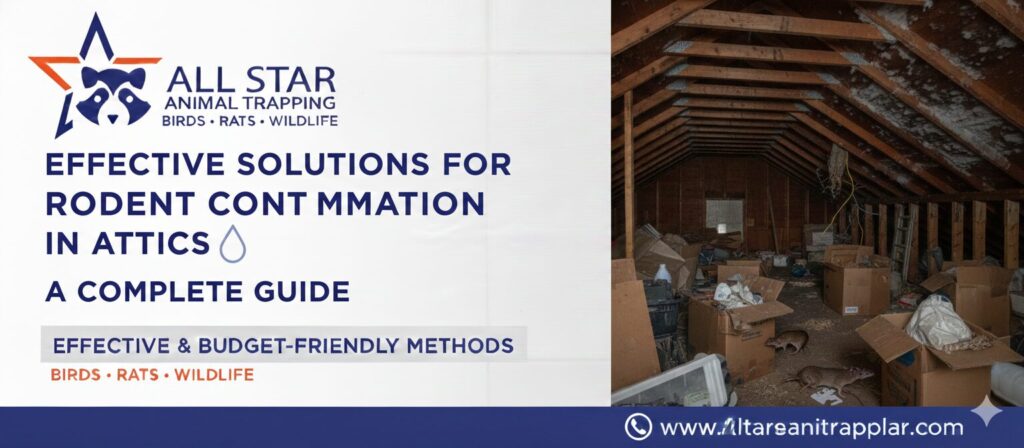
Attics are often overlooked spaces in homes, making them prime targets for rodent activity. Rodent infestation in attic can cause significant damage to insulation, wiring, and stored belongings while posing serious health risks. Mice, rats, and squirrels can enter through tiny gaps, creating nests and leaving behind rodent droppings and urine that contaminate surfaces.
Recognizing early signs of rodent problems is crucial to prevent costly repairs and maintain a safe living environment. Implementing attic rodent control measures and following proper rodent prevention tips can protect your home effectively. This guide provides comprehensive strategies for safe removal, cleaning, and long-term prevention.
Understanding Rodent Contamination in Attics
Rodent contamination in attics is a problem that many homeowners face across the United States. Attics provide rodents with a quiet and protected environment, often insulated with materials that are perfect for nesting. Mice, rats, and squirrels are naturally drawn to these areas because they are safe from predators and the weather. Once they enter, they begin to gnaw on wood, wires, and insulation while creating nests with shredded materials, which can lead to extensive damage over time. Attics are often neglected spaces, making it easier for rodents to remain hidden for months. Early recognition of signs is crucial to prevent rodent infestation in attic from spreading and causing structural or health-related issues.
Rodents not only damage property but also leave behind droppings and urine, which can contaminate insulation and stored belongings. These areas can also produce a strong, musky odor that becomes noticeable over time. Identifying attic entry points for rodents such as gaps around vents, cracks in the roofline, and spaces around pipes is essential for implementing effective prevention strategies. Homeowners in urban areas like Los Angeles must remain vigilant, as older homes often have multiple entry points that rodents can exploit. Understanding how rodents behave, where they nest, and the risks they pose is the first step toward comprehensive attic rodent control.
Common Rodent Species Found in Attics
Rats, mice, and squirrels are the most frequent culprits behind rodent contamination in attics. Mice and rats are highly adaptable, capable of squeezing through tiny cracks and gnawing through materials to gain access to food and shelter. Squirrels, while larger, are excellent climbers and often make nests in rafters, causing more noticeable damage. Understanding each species’ behavior is critical because it helps determine the most effective removal and prevention strategies. Rats are territorial and leave droppings along defined travel routes, while mice scatter them widely, making detection slightly more challenging.
These rodents are mainly nocturnal, so signs of their activity often appear at night. Nesting materials like shredded insulation, paper, and fabric indicate the severity of an infestation. Identifying rodent nesting materials can help homeowners plan strategic placement of traps and determine whether professional removal may be necessary. Observing these animals’ behavior allows for targeted attic rodent control and more efficient mitigation of potential health and property risks.
Signs of Rodent Infestation in Your Attic
Detecting early signs of rodent activity is essential to prevent severe damage. Common signs include droppings, gnaw marks, shredded insulation, and a strong urine odor. Many homeowners also hear scratching, squeaking, or movement within the attic during nighttime hours. Ignoring these warning signs often leads to more extensive infestations and higher costs for attic cleaning and sanitization. Even small signs like torn insulation or chewed wiring can indicate a significant underlying problem.
Other indications include holes or gaps in walls, ceilings, and around vents, which serve as entry points for rodents. Conducting regular attic maintenance and inspection helps homeowners identify these risks before infestations escalate. In cities like Los Angeles, older homes and multifamily units are particularly vulnerable because of aging infrastructure. Recognizing signs of rodent problems early allows for timely intervention through both DIY measures and professional services, preventing health hazards and structural damage.
Physical and Behavioral Indicators
Rodents display certain behaviors that indicate their presence. Nocturnal movement is the most obvious, often producing scratching or scurrying sounds during the night. Droppings are generally concentrated along travel routes or nesting areas, while gnaw marks appear on stored items, wooden beams, and electrical wiring. A strong musky odor emitted by their urine is another indicator of rodent activity. Observing both physical and behavioral signs provides a clearer understanding of the infestation’s severity.
Behavioral patterns include hoarding food, shredding materials for nests, and marking their territory with scent. Awareness of these behaviors supports the effective placement of DIY rodent traps and allows homeowners to implement rodent prevention tips. Early recognition ensures that infestations are contained quickly, minimizing property damage and reducing exposure to potential health risks.
Health Risks Associated with Rodent Contamination
Rodent contamination introduces significant health hazards. Rodent-borne diseases such as Hantavirus and leptospirosis can be transmitted through contact with urine, droppings, or nesting materials. Contamination of food or insulation can spread Salmonella and other pathogens, leading to fever, vomiting, and respiratory issues. Families with children, elderly members, or immune-compromised individuals are particularly at risk. Exposure to droppings and urine can also trigger allergies, respiratory irritation, and asthma attacks.
Additionally, allergens from nesting materials circulate through ventilation systems, potentially causing ongoing health problems. Proper attic cleaning and sanitization is critical after rodent removal. In urban regions like Los Angeles, professional inspection and removal are often recommended to prevent prolonged exposure to these health risks. Combining health awareness with structural solutions protects both residents and the integrity of the home.
Diseases and Allergens
Rodents carry multiple pathogens that pose health threats. Urine and feces can carry Hantavirus and leptospirosis, while contaminated nesting materials may harbor fleas and mites. Allergens from these materials can provoke asthma, skin irritation, and allergic rhinitis. Proper cleaning with protective gear and disinfectants is essential to reduce exposure. Recognizing the link between rodent activity and health issues helps homeowners prioritize both immediate removal and long-term rodent prevention tips.
Preventing Rodents from Entering Your Attic
Prevention is the most effective strategy for managing rodent contamination. Rodent-proofing home techniques involve sealing gaps, reinforcing vents, and inspecting roofs for vulnerable areas. Even small cracks in eaves, foundation walls, or around utility pipes can serve as entry points. Routine inspection and maintenance of these areas reduces the likelihood of infestation and limits the need for extensive removal efforts.
Environmental adjustments complement structural solutions. Removing food sources, trimming tree branches near the house, and keeping insulation and storage items properly secured prevents rodents from nesting. Implementing long-term rodent prevention strategies, including seasonal attic checks and professional consultation, ensures that attics remain protected. By combining structural barriers with environmental management, homeowners can effectively minimize rodent contamination risks.
Sealing Entry Points Effectively
Sealing entry points involves identifying all potential gaps through which rodents might enter. Vents, rooflines, gaps around pipes, and deteriorating siding are typical access points. Using durable materials like metal mesh, steel wool, and caulk helps prevent future intrusions. Conducting regular attic maintenance and inspection cycles ensures that new vulnerabilities are addressed promptly. Proper sealing, combined with environmental control, forms the foundation for effective attic rodent control.
DIY Rodent Control Solutions for Attics
For smaller infestations, DIY strategies can be effective. Snap traps and electronic traps are commonly used to capture rodents, while rodenticides can be deployed cautiously following safety instructions. Placement is key; traps should be located along travel paths and near nests. Homeowners must prioritize safety, using gloves and ensuring traps or baits are inaccessible to children or pets.
Combining trapping with environmental management increases effectiveness. Keeping attics clean, storing food securely, and reducing clutter prevents rodents from finding shelter. Following rodent-bait safety tips ensures safe and effective removal. Patience and consistency are essential, as it may take several weeks to fully eliminate rodent activity.
Traps and Baits
Effective trap placement involves strategic positioning along walls and corners where rodents travel. Fresh bait like peanut butter or seeds attracts them efficiently. Rodenticides should be used sparingly, following safety protocols. Monitoring traps regularly and disposing of captured rodents safely is essential for controlling the infestation and preventing odor or health issues.
Professional Rodent Removal Services
Severe infestations often require professional intervention. Trained pest control services use advanced methods to remove rodents efficiently and safely. Professionals can detect hidden nests, assess structural damage, and implement long-term rodent prevention strategies. While costs may be higher than DIY methods, professional removal ensures more reliable and lasting results.
Professional services also minimize exposure to rodent-borne diseases and allergens. Experts provide specialized cleaning protocols to restore attics to a safe and sanitary condition. Residents in areas like Los Angeles benefit from professional expertise that combines removal, sanitation, and preventive measures for effective attic rodent control.
When to Call an Expert
Homeowners should call professionals when infestations are severe or persistent. Indicators include extensive droppings, gnawed wiring, and structural damage. Certified experts offer inspection, removal, and monitoring services that prevent reinfestation. Professional intervention ensures both safety and efficiency while implementing comprehensive attic rodent control solutions.
Cleaning and Sanitizing an Infested Attic
Post-removal cleaning is critical. Protective clothing, gloves, and masks minimize exposure to pathogens. Surfaces contaminated with rodent droppings and urine must be disinfected thoroughly. Removing contaminated insulation and replacing damaged materials restores attic safety. Effective attic cleaning and sanitization also reduces odor and prevents lingering allergens from causing health issues.
Safe Removal of Rodent Droppings
Safe removal requires careful preparation. Spray droppings with disinfectant before handling to reduce airborne particles. Wear disposable gloves and masks during the process. Bag and securely dispose of waste according to local regulations. Regular cleaning, along with structural repairs, ensures the attic is safe and prepared for future preventive measures.
Long-Term Rodent Prevention Strategies
Maintaining a rodent-free attic requires consistent effort. Regular attic maintenance and inspection allows homeowners to detect vulnerabilities early. Removing clutter, inspecting insulation, and monitoring for droppings prevents reinfestation. Proper storage of food and materials reduces attractants, and seasonal inspections ensure continued protection. Implementing rodent prevention tips alongside structural solutions offers long-term security.
Maintenance Tips
Maintenance includes inspecting attic entry points for rodents, sealing gaps, and reinforcing vents. Tree branches should be trimmed away from the house, and yard debris should be minimized to reduce access points. Strategic placement of traps and routine checks help prevent recurrence. A combination of environmental management, structural improvements, and monitoring ensures attics remain rodent-free.
Costs of Rodent Removal and Repairs
Costs vary depending on infestation severity and removal methods. DIY approaches are cheaper but may take longer, while professional pest control services provide comprehensive removal and sanitation. Expenses include labor, materials, structural repair, and preventive installations. Early detection reduces long-term costs, as delaying action can lead to more extensive damage.
Budgeting for Prevention and Treatment
Investing in rodent-proofing home, sealing cracks, and conducting regular inspections is often more cost-effective than repairing extensive damage. Structural repairs can include replacing insulation, wiring, and woodwork. Combining preventive measures with DIY and professional intervention ensures both cost-effectiveness and attic safety, minimizing long-term risks.
Rodent Removal Solutions Table
| Solution Type | Cost Range | Effectiveness | Safety | Notes |
| DIY Snap Traps | $10-$50 | Medium | Safe if used properly | Best for small infestations |
| Electronic Traps | $30-$100 | High | Safe if monitored | Effective for rapid removal |
| Rodenticides | $15-$60 | Medium-High | Requires caution | Use sparingly and away from children and pets |
| Professional Pest Control | $200-$600 | Very High | Safe | Includes removal, cleaning, and long-term prevention |
Checklist for Attic Rodent Control
Inspect attic and entry points monthly.
Seal cracks, vents, and gaps using durable materials.
Place traps strategically along walls and corners.
Remove food sources and clutter to reduce attractants.
Monitor for droppings and urine and clean safely.
Schedule professional pest control services if infestation persists.
Conduct seasonal inspections to prevent recurrence.
Conclusion
Effective Solutions for Rodent Contamination in Attics involve a combination of awareness, prevention, and prompt action. Early detection of signs, safe removal, and thorough cleaning reduce health risks. Implementing long-term strategies like sealing entry points, maintaining cleanliness, and routine inspections ensures a rodent-free attic. Residents in Los Angeles can combine DIY efforts with professional pest control services to protect both property and family health. Consistent attention and preventive measures create a safe, healthy, and structurally secure attic environment.
FAQs
1. How can I tell if my attic has a rodent infestation?
Look for droppings, gnaw marks, shredded insulation, and unusual scratching sounds at night. A strong musky odor is also a common sign of rodent activity.
2. What types of rodents are most common in attics?
Mice, rats, and squirrels are the most frequent culprits. Each species has unique nesting and feeding habits that affect infestation patterns.
3. Are rodents in attics dangerous to my health?
Yes, rodents can carry diseases like Hantavirus, leptospirosis, and Salmonella. Their urine and droppings can also trigger allergies and respiratory issues.
4. Can I remove rodents from my attic myself?
Small infestations can be managed with snap traps, electronic traps, and careful use of rodenticides. Always follow safety guidelines to protect family and pets.
5. When should I call professional pest control services?
Call experts if infestations are severe, persistent, or if you notice extensive droppings and structural damage. Professionals ensure complete removal and safe cleanup.
6. How do I prevent rodents from entering my attic?
Seal cracks, gaps, vents, and roofline openings with durable materials. Keep food sources, insulation, and clutter properly stored to reduce attractants.
7. Is attic cleaning after rodent removal important?
Yes, thorough cleaning removes droppings, urine, and nesting materials. It helps prevent disease, lingering odors, and future infestations.
8. What are common signs of squirrel infestation in an attic?
Squirrels are larger and often make nests with insulation and shredded materials. Chewed wires and holes near the roofline are common indicators.
9. How often should I inspect my attic for rodents?
Monthly inspections are recommended, especially in older homes or during fall and winter. Regular checks catch problems before infestations grow.
10. How much does rodent removal cost?
DIY methods cost between $10 and $100 for traps and baits, while professional services range from $200 to $600. Costs increase with infestation severity and structural repairs.
Humane Wildlife Removal You Can Trust
When nuisance wildlife becomes a problem, rely on All Star Animal Trapping for professional and humane animal removal services. We safely remove raccoons, skunks, squirrels, rodents, and more — protecting your home and family the right way.