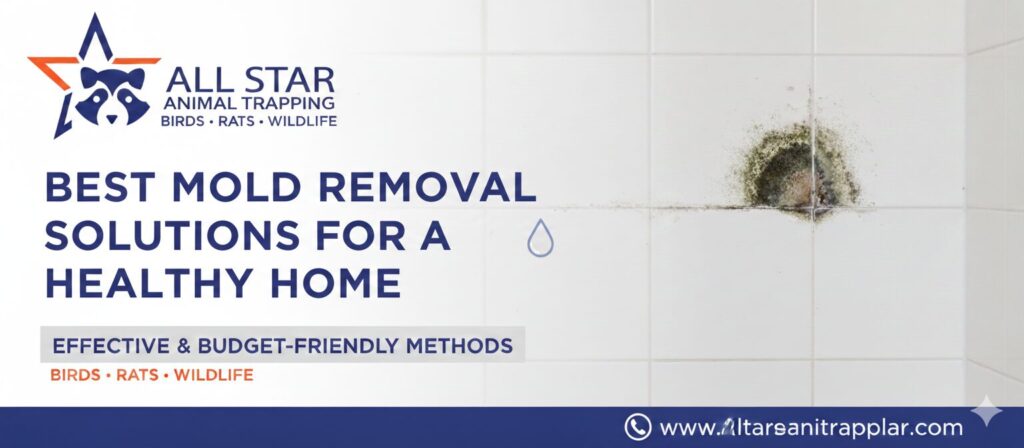
Mold is a common problem in homes that can damage property and affect your family’s health if ignored. Knowing the best mold removal solutions for a healthy home is essential for creating a safe living environment. Mold thrives in damp areas like bathrooms, kitchens, and basements, spreading quickly if moisture is not controlled.
Learning how to get rid of mold and using effective DIY mold removal methods or professional services ensures home mold cleanup is thorough and long-lasting. Preventing mold growth with proper ventilation and moisture control in house helps maintain healthy indoor air year-round, keeping your home safe and comfortable.
Understanding Mold and Its Health Risks
Mold is a type of fungus that grows in dark, damp environments. It spreads through tiny spores that float in the air and attach to walls, ceilings, carpets, and other surfaces. Mold can often go unnoticed because it may grow behind drywall, under flooring, or inside cabinets. Detecting signs of mold in the home early can prevent extensive damage and health problems. Bathrooms, kitchens, basements, and attics are particularly susceptible. Homes in Los Angeles often face mold issues during wet seasons or after minor leaks due to fluctuating humidity.
Prolonged exposure to mold can trigger sneezing, coughing, itchy eyes, skin irritation, and respiratory complications. Black mold and other toxic varieties release mycotoxins that affect the immune system and may lead to more serious conditions over time. Children, elderly family members, and those with asthma or weakened immune systems are at higher risk. Understanding health risks linked to mold exposure and taking immediate action is essential to maintaining a safe living environment.
What is Mold?
Mold is a microscopic fungus that reproduces through spores. These spores exist almost everywhere but only grow where moisture and organic material are available. While not all molds are harmful, many varieties can cause structural damage and health problems. Mold can appear as black, green, or white patches and often forms fuzzy or slimy textures. Identifying the type of mold present is crucial for applying effective home mold cleanup techniques.
Common Health Issues Caused by Mold Exposure
Exposure to mold can lead to chronic respiratory problems, allergic reactions, fatigue, and headaches. Asthma symptoms may worsen, and certain molds produce toxins that can affect neurological functions. Early recognition of these symptoms and proper removal measures prevent long-term health complications and protect all family members in the household.
Signs You Need Mold Removal in Your Home
Spotting mold early is critical to avoid extensive damage. Visible mold growth is often the first sign. Dark patches on walls, ceilings, or around windows indicate potential infestations. Persistent musty odors can reveal hidden colonies behind walls or under floors. Moist areas such as bathrooms, kitchens, and basements are especially vulnerable. Recognizing these signs allows homeowners to act before mold spreads further.
Other indicators include unexplained coughing, sneezing, watery eyes, or difficulty breathing. Even if no mold is visible, a persistent smell often signals hidden growth. Combining observation with professional inspection ensures mold is addressed effectively and indoor air quality is preserved.
Visible Mold Growth
Mold often appears as black, green, or white spots on surfaces. These patches may have a fuzzy or slimy texture and often form in damp corners. Early identification allows for quick removal before the infestation spreads further throughout the home.
Musty Odors and Hidden Mold
A musty odor can indicate hidden mold colonies that are not visible. This smell is caused by volatile organic compounds released by mold during growth. Detecting it early allows for prompt home mold cleanup before larger problems develop.
DIY Mold Removal Solutions
Small mold infestations can often be treated using DIY mold removal techniques. Common household items like vinegar, baking soda, and hydrogen peroxide are effective in killing spores and preventing regrowth. Scrubbing affected areas thoroughly and ensuring proper ventilation prevents spores from spreading. Using natural mold cleaners offers a safe alternative to harsh chemical products while maintaining indoor air quality.
Safety is essential when performing DIY mold removal. Gloves, masks, and eye protection reduce exposure to spores. Avoid mixing chemicals and carefully dispose of contaminated materials to prevent cross-contamination. In Los Angeles homes, combining DIY techniques with moisture control in house strategies helps limit future growth.
Using Vinegar and Baking Soda for Small Areas
Applying vinegar or a baking soda solution to affected areas can effectively remove minor mold patches. Scrubbing surfaces thoroughly and drying them afterward ensures mold does not return.
Safety Precautions for DIY Mold Removal
Always use gloves, masks, and eye protection when cleaning mold. Ensure proper ventilation, avoid mixing chemicals, and safely discard contaminated materials to prevent spreading spores further.
Professional Mold Removal Services
Extensive infestations require professional mold remediation services. Certified technicians can assess the entire property, contain spores, and remove mold safely. Professionals also identify the source of moisture to prevent reoccurrence. This service improves indoor air quality and safeguards property, which is particularly important in Los Angeles homes affected by humidity.
Professional methods include advanced cleaning, air filtration, and post-removal inspections to ensure mold does not return. Choosing professional intervention for large infestations prevents costly mold damage repair and ensures long-term safety. Comparing professional vs. DIY mold removal allows homeowners to select the most suitable method for their needs.
When to Hire Experts
Call professionals when mold covers a large area, infiltrates HVAC systems, or causes health problems. DIY methods are often insufficient for significant infestations.
What to Expect from a Professional Mold Inspection
Experts examine the property for hidden mold, test for spores, and identify moisture sources. They provide detailed removal plans and recommendations for preventing future growth.
Mold Prevention Tips for a Healthy Home
Preventing mold starts with controlling moisture and humidity. Using dehumidifiers, fixing leaks promptly, and maintaining proper drainage reduce mold growth. Keeping humidity below 50 percent in bathrooms, kitchens, and basements helps maintain indoor air quality and supports a mold-free environment.
Routine inspections and consistent cleaning further prevent mold establishment. Proper ventilation and airflow reduce moisture accumulation, making it harder for mold to thrive. Seasonal maintenance, especially in Los Angeles, ensures that mold does not return and keeps homes safe and healthy year-round.
Controlling Humidity and Moisture
Maintaining low indoor humidity, using dehumidifiers, and fixing leaks quickly are essential strategies. Drying damp areas promptly prevents mold colonies from forming.
Proper Ventilation Practices
Good ventilation in bathrooms, kitchens, and basements reduces stagnant humidity. Open windows and use exhaust fans to maintain airflow and minimize mold growth potential.
Eco-Friendly Mold Removal Methods
Eco-friendly mold solutions provide safe alternatives to chemical-based cleaning. Natural methods like tea tree oil, vinegar, and baking soda eliminate mold spores effectively while maintaining indoor air quality. These methods are particularly useful for homes with children or pets.
Green cleaning not only removes existing mold but also prevents future growth by keeping surfaces dry and clean. Combining natural mold cleaners with proper ventilation supports a mold-free environment and aligns with sustainable living practices.
Natural Mold-Fighting Solutions
Tea tree oil, grapefruit seed extract, and vinegar are effective for small mold patches. Applying them to affected areas kills spores and helps prevent regrowth naturally.
Benefits of Green Cleaning for Indoor Air Quality
Using non-toxic solutions improves air quality, reduces chemical exposure, and prevents respiratory irritation. Regular eco-friendly cleaning supports maintaining a mold-free environment in the long term.
Common Mold Types and How to Identify Them
Mold comes in many types, each posing unique risks. Black mold is highly toxic and can lead to serious health problems, while other household molds may trigger allergies or minor irritation. Identifying mold types allows homeowners to select the right removal methods and prevent further damage. Bathrooms and kitchens are common areas for mold growth due to frequent moisture exposure.
Early detection through visual inspection, odor detection, or professional testing ensures the correct approach is applied. Understanding mold species allows effective targeting of spores, protecting health and preventing expensive mold damage repair.
Black Mold vs. Other Household Molds
Black mold is highly toxic and often requires professional removal. Other molds, though less dangerous, can still affect indoor air quality and damage property.
Health Risks Associated with Different Mold Types
Certain molds release toxins that cause respiratory issues, headaches, and allergic reactions. Rapid identification and removal are necessary to protect family members.
Choosing the Right Mold Removal Products
Selecting effective mold removal products is essential. Products containing hydrogen peroxide, tea tree oil, or vinegar eliminate spores without harming surfaces. Avoid harsh chemicals that can release toxic fumes. Choosing the right mold removal products ensures safe and effective home mold cleanup.
Considering environmental factors, such as Los Angeles humidity, and using safe chemical-free mold removal options, prevents recurrence and maintains a healthy living space.
Key Ingredients to Look For
Hydrogen peroxide, vinegar, and tea tree oil effectively kill mold spores on walls, ceilings, and floors while remaining safe for family use.
Avoiding Harmful Chemicals in Your Home
Avoid bleach-heavy or ammonia-based cleaners as they release toxic fumes. Using safer alternatives improves indoor air quality and protects health.
Maintaining a Mold-Free Home Year-Round
Consistent effort is required to maintain a mold-free home. Regular inspections, prompt leak repairs, and drying damp areas prevent mold from forming. Seasonal maintenance, including cleaning air ducts and monitoring humidity, ensures long-term effectiveness. Educating family members on prevention strategies strengthens overall mold control efforts.
Los Angeles homes benefit from monitoring indoor and outdoor humidity, maintaining proper ventilation, and combining DIY mold removal with professional guidance. These practices provide a holistic approach to maintaining a safe, healthy living environment.
Regular Inspections and Cleaning Routines
Monthly checks of vulnerable areas, routine cleaning, and drying damp spots prevent mold from re-establishing. Maintaining airflow and proper moisture control is essential for a mold-free environment.
Table of Mold Removal Methods
| Method | Effectiveness | Ideal For | Safety Level | Cost |
| Vinegar & Baking Soda | Medium | Small areas | High | Low |
| Hydrogen Peroxide | High | Walls & Ceilings | High | Medium |
| Tea Tree Oil | Medium | Eco-friendly small patches | High | Medium |
| Professional Remediation | Very High | Large infestations | Very High | High |
| Dehumidifiers + Ventilation | Preventive | Whole home | Very High | Medium |
Practical Steps to Keep Your Home Mold-Free
- Inspect damp areas like bathrooms, kitchens, basements, and attics regularly.
- Act immediately on visible mold or persistent musty odors.
- Use eco-friendly mold solutions for safe removal.
- Dry wet surfaces thoroughly to prevent spore growth.
- Control indoor humidity with dehumidifiers and ventilation.
- Fix leaks and plumbing issues promptly.
- Educate family members on proper moisture control and cleaning habits.
- Schedule seasonal inspections to catch mold early.
- Hire professional mold removal services for large infestations.
- Maintain proper airflow to reduce stagnant humidity and moisture buildup.
Conclusion
Mold is a serious issue that can harm both property and health. Understanding how to remove mold from walls, applying effective home mold cleanup techniques, and using preventive measures ensures a safe living environment. Consistent monitoring, reducing indoor humidity to prevent mold, and using natural mold cleaners help maintain a mold-free environment. In Los Angeles, where humidity and occasional leaks contribute to mold growth, combining DIY and professional methods protects homes and residents while keeping indoor air quality optimal. Following these strategies ensures a healthy, safe, and comfortable home year-round.
FAQs
What is the best way to remove mold from walls?
Using vinegar, baking soda, or hydrogen peroxide on small areas is effective. For extensive growth, professional mold remediation services are recommended.
How can I tell if my home has hidden mold?
Persistent musty odors, discoloration on walls, or unexplained health symptoms often indicate hidden mold colonies behind surfaces.
Are DIY mold removal methods safe?
DIY mold removal is safe for small patches if gloves, masks, and ventilation are used. Avoid chemical mixing and seek professional help for large infestations.
When should I hire professional mold removal services?
Call experts when mold covers large areas, affects HVAC systems, or poses health risks to residents. Professionals ensure complete removal and moisture control.
What are eco-friendly mold removal options?
Natural solutions like tea tree oil, vinegar, and baking soda remove mold without harmful chemicals, supporting safe indoor air quality.
How can I prevent mold growth in my home?
Control humidity below 50%, fix leaks immediately, and ensure proper ventilation. Seasonal cleaning and inspections further reduce mold risk.
What health problems can mold cause?
Mold exposure can trigger allergies, respiratory issues, headaches, skin irritation, and in severe cases, affect the immune system.
Which mold types are most dangerous?
Black mold is highly toxic and can cause serious health issues. Other molds may trigger allergies and damage property if untreated.
What products are most effective for mold removal?
Hydrogen peroxide, vinegar, and natural extracts like tea tree oil work well for small infestations, while professional chemicals are best for large areas.How often should I inspect my home for mold?
Monthly checks of damp areas like bathrooms, kitchens, and basements are recommended. Regular inspections prevent hidden mold and maintain healthy indoor air.
Humane Wildlife Removal You Can Trust
When nuisance wildlife becomes a problem, rely on All Star Animal Trapping for professional and humane animal removal services. We safely remove raccoons, skunks, squirrels, rodents, and more — protecting your home and family the right way.