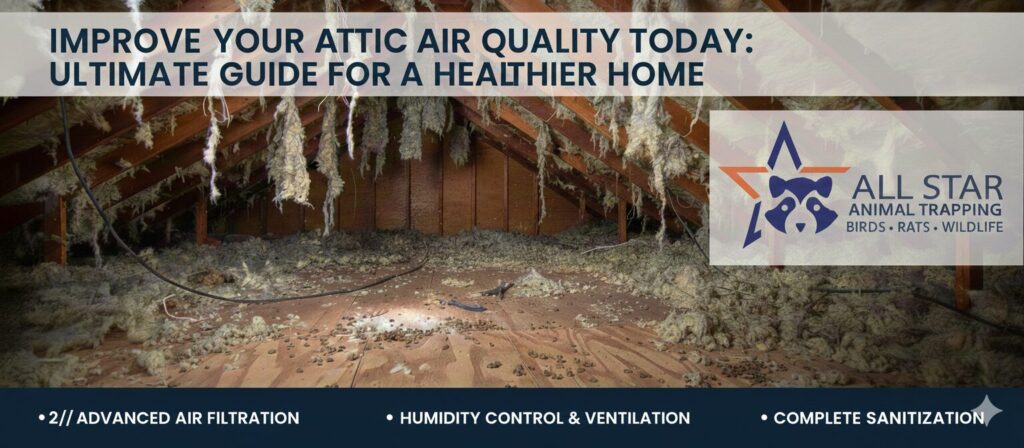
Improving your attic air today is essential for a healthier and more comfortable home. Many homeowners overlook the attic, yet poor attic ventilation and limited attic air flow can lead to mold in attic, dust accumulation, and a musty attic smell that spreads into living spaces. These issues not only reduce indoor air quality but can also increase energy bills by forcing HVAC systems to work harder.
By taking proactive steps to enhance attic temperature control and maintain proper insulation, you can prevent allergens, moisture, and structural damage. This guide will show practical ways to improve your attic air today.
Why Attic Air Quality Matters
Attics are often overlooked, but the air quality within them significantly impacts your home. Poor attic insulation and blocked airflow can trap heat, raise indoor temperatures, and force HVAC systems to work harder. Homes in Los Angeles face warm summers, making proper attic ventilation essential. Dust, insulation debris, and other pollutants can settle in attics, creating a musty attic smell that spreads into living spaces. This can worsen allergies and trigger respiratory problems, especially in children and older adults.
Maintaining proper attic air quality also supports energy efficiency. Heat trapped in poorly ventilated attics travels into living spaces, causing uneven temperatures and higher cooling costs. Improving attic air flow and insulation helps protect the roof and structural materials while preventing moisture issues. Prioritizing attic health is a protective measure and a cost-saving step for homeowners looking to improve overall home air quality.
Health Risks of Poor Attic Air
Poor attic air exposes families to dust, mold spores, and allergens that accumulate over time. Respiratory irritation, sneezing, and asthma flare-ups are common. Mold in attics grows in damp areas and releases spores that travel into the home, reducing indoor air quality. Addressing these risks early prevents long-term health problems and supports a safe living environment.
Energy Efficiency and Air Quality
Heat trapped in the attic forces air conditioners and heaters to operate at full capacity, raising energy bills and reducing system efficiency. Proper attic ventilation and attic temperature control balance airflow and reduce energy consumption. Homes in Los Angeles that implement these strategies often see measurable savings while maintaining fresher air and preventing moisture accumulation that can damage insulation and roofing materials.
Common Causes of Poor Attic Air Quality
Blocked vents, inadequate insulation, and poor roof ventilation are common causes of deteriorating attic air quality. Dust, insulation fibers, and debris can obstruct airflow, allowing humidity to linger and creating ideal conditions for mold growth. Los Angeles homeowners often face seasonal challenges such as high humidity in summer, which can worsen attic air problems if left unaddressed.
Moisture accumulation caused by roof leaks, condensation, or missing vapor barriers can further deteriorate air quality. Standing water and damp insulation become breeding grounds for mold, mildew, and bacterial growth. Proper maintenance and attic cleaning tips reduce these risks, ensuring healthier attic air purification and improved indoor air quality throughout the home.
Ventilation Problems
Clogged soffit or ridge vents prevent natural airflow from circulating throughout the attic. Without consistent ventilation, heat and humidity build up, creating conditions for allergens and a musty attic smell to spread into living areas. Benefits of proper attic ventilation include regulating temperature, reducing energy costs, and preventing moisture accumulation.
Moisture and Mold Growth
Leaks, condensation, and poorly installed insulation contribute to moisture retention, which promotes mold growth. Moisture damages wooden structures and insulation while spores reduce home air quality improvement. Early detection and moisture control are essential for maintaining a clean and safe attic environment.
Signs Your Attic Air Needs Improvement
Detecting poor attic air quality early prevents health and structural problems. Persistent odors, visible dust, warped insulation, or water stains indicate that your attic may be harboring allergens or moisture. Homes in Los Angeles often experience these symptoms during humid months, emphasizing the importance of timely inspections and corrective measures.
Allergy flare-ups, respiratory irritation, or increased coughing among family members may point to compromised attic air. Using monitoring devices, combined with visual inspections, allows homeowners to identify issues before they escalate, improving attic air flow and overall home air quality improvement.
Odors and Mustiness
A musty attic smell is a clear warning of mold or mildew accumulation. Odors often worsen after rain or during high humidity. Addressing these issues promptly through cleaning and ventilation prevents structural damage and maintains healthier air in living spaces.
Increased Allergies or Respiratory Issues
Unexpected allergy or respiratory problems can originate from poor attic air quality. Mold spores, dust, and airborne allergens infiltrate living spaces, reducing indoor air quality. Monitoring symptoms helps homeowners take action with safe mold removal methods.
Essential Attic Ventilation Techniques
Effective attic ventilation removes stale air and promotes continuous airflow. Ridge vents, soffit vents, and attic fan installation work together to improve attic air flow. Proper installation ensures consistent circulation, reducing heat buildup and preventing moisture accumulation. Homes in Los Angeles benefit greatly from these techniques during hot summer months.
Balanced airflow not only prevents heat buildup but also minimizes mold growth. Automated fans or passive ventilation systems maintain consistent attic temperature control while reducing energy costs and improving comfort throughout the home. These methods ensure a healthier environment and prevent long-term attic damage.
Ridge and Soffit Vents
Ridge and soffit vents allow air to enter at the eaves and exit through the roof ridge. This continuous airflow prevents hot spots, maintains temperature control, and reduces attic moisture control issues. Proper sizing and installation maximize energy efficiency and support overall home air quality improvement.
Powered Attic Fans vs. Passive Ventilation
Powered fans accelerate airflow and reduce heat quickly but consume electricity. Passive ventilation relies on natural convection and is slower. Choosing the right system balances energy efficiency with improved attic air purification and humidity control.
Controlling Moisture in Your Attic
Moisture is a leading cause of poor attic air quality and structural damage. Proper attic insulation tips combined with vapor barriers reduce condensation. This prevents mold in attic and protects the structure. Moisture control is essential for maintaining a safe and clean home environment.
Roof leaks, clogged gutters, or missing flashing can introduce water into the attic. Regular inspections and repairs prevent long-term damage while maintaining proper attic air flow. Maintaining consistent humidity levels reduces musty attic smell and ensures healthier indoor air quality.
Insulation and Vapor Barriers
High-quality insulation paired with vapor barriers prevents condensation inside the attic. This reduces mold growth and keeps insulation dry. Consistent air circulation improves attic temperature control and energy efficiency while supporting cleaner air throughout the home.
Roof and Gutter Maintenance
Inspecting and maintaining the roof and gutters prevents leaks that compromise attic air quality. Proper drainage ensures water does not accumulate, protecting insulation and structural elements while promoting attic moisture control and overall home air quality improvement.
Mold and Allergen Removal Tips
Removing mold and allergens from your attic is essential for home air quality improvement. Use safe mold removal methods and proper protective gear during cleaning. Dust, insulation debris, and mold spores can cause respiratory issues and allergies if left unaddressed.
Regular use of HEPA filters and air purifiers enhances attic air purification. Cleaning ducts and improving attic air flow minimizes dust and allergen accumulation. Homes in Los Angeles may experience increased mold growth during humid periods, highlighting the need for consistent attention and maintenance.
Safe Cleaning Practices
Proper cleaning prevents the spread of mold and allergens. Remove contaminated materials carefully and use disinfectants. Severe infestations may require professional remediation to ensure safety.
Air Purifiers and HEPA Filters
Air purifiers with HEPA filters trap dust, allergens, and mold spores. Integrating these systems with HVAC units improves indoor air quality and ensures consistent attic air flow, reducing allergy triggers throughout the home.
Energy-Efficient Solutions for Cleaner Air
Upgrading attic insulation reduces energy loss and improves attic air flow. Energy-efficient attic solutions lower heating and cooling costs while maintaining consistent indoor temperatures. Automation of ventilation systems enhances air quality and provides balanced airflow throughout the year.
Smart fans and ventilation systems ensure continuous airflow while conserving energy. Properly insulated attics maintain comfort in both summer and winter while preventing mold and attic moisture control issues. These improvements provide long-term benefits for energy savings and healthier air.
Attic Insulation Upgrades
Replacing old or inadequate insulation improves attic air purification and prevents temperature fluctuations. It reduces heat transfer, enhances energy efficiency, and helps maintain a cleaner and drier attic environment.
Smart Ventilation Systems
Automated ventilation monitors temperature and humidity levels, maintaining ideal attic temperature control. Continuous airflow prevents mold, maintains comfort, and reduces energy costs while improving overall indoor air quality.
Routine Maintenance for Long-Term Air Quality
Regular maintenance ensures your attic remains healthy. Seasonal inspections identify leaks, debris, and airflow issues. Cleaning insulation and monitoring humidity levels prevent mold growth. Implementing these strategies provides long-term benefits for attic air flow and overall home health.
Seasonal Attic Inspections
Spring and fall inspections allow homeowners to detect leaks, blocked vents, or moisture problems. Consistent maintenance supports attic moisture control, enhances home air quality improvement, and prevents long-term damage.
Cleaning and Monitoring Tips
Dust, debris, and humidity levels must be controlled to maintain clean attic air. Using hygrometers and improving airflow reduces allergens, odors, and mold growth, supporting healthier living conditions and energy efficiency.
Professional Help vs DIY Solutions
Some attic issues require professional attention. Professional attic inspection ensures safe removal of mold, structural assessment, and proper ventilation setup. DIY work may solve small problems but can miss underlying issues that affect indoor air quality.
Investing in professional services balances costs with long-term benefits. Experts ensure correct attic fan installation, ventilation, and moisture control. This protects indoor air quality, prevents future problems, and ensures a healthier living space.
When to Hire an Expert
Complex mold infestations, structural leaks, or poor ventilation require trained professionals. They can safely remediate issues and install effective solutions for long-lasting attic air purification and energy efficiency.
Cost vs. Benefit of Professional Services
While professional services may seem expensive, they prevent recurring issues, improve attic air flow, and maintain optimal indoor air quality. Proper installation and remediation save money and health risks over time.
Key Steps to Improve Your Attic Air Quality Today
- Ensure proper attic ventilation using ridge and soffit vents.
- Install attic fans to enhance air circulation.
- Inspect and upgrade attic insulation to prevent heat buildup.
- Control moisture with vapor barriers and roof maintenance.
- Regularly clean insulation and ducts to reduce dust and allergens.
- Use HEPA filters and air purifiers for cleaner air.
- Conduct seasonal attic inspections to catch problems early.
- Hire professionals for mold remediation or complex ventilation issues.
Attic Air Quality Checklist
| Area | Inspection Focus | Action Needed |
| Ventilation | Ridge & soffit vents | Clear blockages and improve airflow |
| Moisture | Leaks, condensation | Repair or replace insulation and fix roof issues |
| Insulation | Coverage & quality | Upgrade or add vapor barriers |
| Mold | Visible growth | Clean or hire professional |
| Air Purification | HVAC filters | Replace HEPA filters and install air purifiers |
Conclusion
Improving your attic air today is essential for maintaining a healthy, comfortable, and energy-efficient home. Proper attic ventilation, consistent airflow, moisture control, and insulation upgrades all work together to prevent mold, allergens, and musty odors from spreading into living spaces. Regular inspections, cleaning, and professional support ensure long-term air quality, reduce energy costs, and protect your home’s structure. Homeowners in Los Angeles who take proactive steps to monitor and maintain their attics enjoy cleaner air, better comfort, and lasting savings, making these improvements a smart investment for any household.
FAQs
1. How can I tell if my attic air quality is poor?
Persistent musty odors, visible mold, and increased allergy symptoms are clear indicators of poor attic air quality.
2. What is the best way to improve airflow in an attic?
Proper ridge and soffit vents, combined with attic fans, enhance airflow and prevent heat and moisture buildup.
3. How often should I inspect my attic?
Seasonal attic inspections, ideally in spring and fall, help detect leaks, blocked vents, and mold growth before problems escalate.
4. Can I remove attic mold myself?
Small mold patches can be cleaned with proper protective gear, but severe infestations require professional attic inspection and remediation.
5. Do attic fans really help reduce energy bills?
Yes, attic fans improve airflow and reduce heat buildup, which decreases the workload on HVAC systems and lowers energy costs.
6. What causes a musty attic smell?
Musty odors often come from moisture accumulation, mold growth, or poor attic ventilation. Addressing leaks and improving airflow can resolve it.
7. How does insulation affect attic air quality?
Proper insulation reduces temperature fluctuations, prevents condensation, and helps maintain consistent attic air flow, reducing mold and allergens.
8. Are air purifiers effective in attics?
Yes, HEPA filters and portable air purifiers trap dust, allergens, and mold spores, improving indoor air quality and supporting healthier living spaces.
9. What is the difference between passive and powered attic ventilation?
Passive ventilation uses natural airflow and is cost-effective but slower, while powered fans move air faster but use electricity. The right system depends on your attic size and climate.
10. How can I prevent mold in my attic long-term?
Regular inspections, proper attic ventilation, moisture control, and timely cleaning of insulation and ducts help prevent mold and maintain healthier air year-round.
Humane Wildlife Removal You Can Trust
When nuisance wildlife becomes a problem, rely on All Star Animal Trapping for professional and humane animal removal services. We safely remove raccoons, skunks, squirrels, rodents, and more — protecting your home and family the right way.