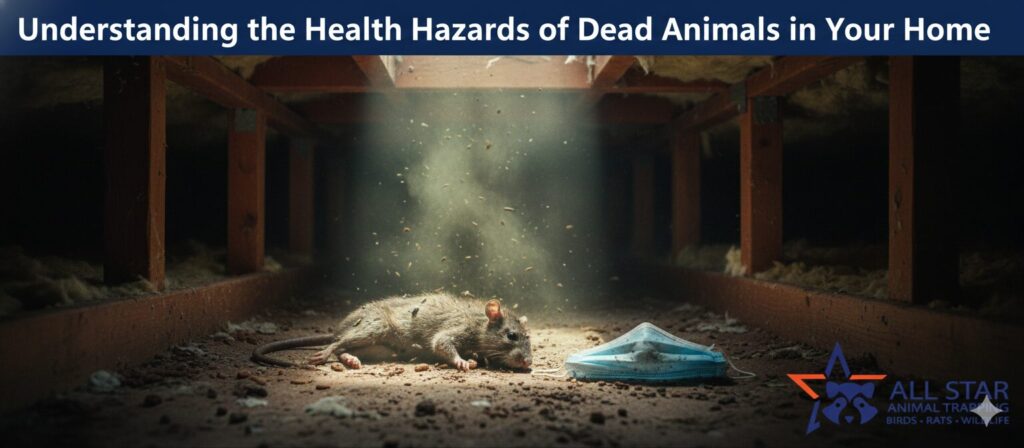
Los Angeles Discovering a dead animal in your home presents serious health hazards that demand immediate attention and professional handling to avoid severe consequences. Professional dead animal removal services provide safe, expert solutions for identification, extraction, biohazard cleanup, and complete deodorization, effectively mitigating risks from pathogens, bacteria, and dangerous infestations. Trained specialists use advanced protective equipment and proven techniques to ensure thorough sanitation while strictly adhering to local health regulations and safety standards. These services are crucial for eliminating hidden threats that DIY attempts often exacerbate rather than resolve.
From single-family residences to apartments and commercial properties, prompt professional action safeguards all occupants, prevents widespread disease spread, and avoids costly structural damage over time. Early recognition of telltale signs allows homeowners to seek expert help swiftly, completely eliminating hidden dangers and quickly restoring a healthy, safe living environment for everyone.
What Are the Health Hazards of Dead Animals in Your Home?
Dead animals in homes release highly toxic decomposition fluids loaded with bacteria, viruses, and parasites that rapidly contaminate air, surfaces, and building structures.Los Angeles Common and dangerous hazards include hantavirus from rodent droppings, salmonella causing severe gastroenteritis, leptospirosis leading to organ damage, and ectoparasites like fleas or ticks transmitting additional diseases. Professionals systematically address these biohazards through safe removal, hospital-grade disinfection, and containment protocols that prevent further spread.
In wildlife-prone regions like rodents, birds, or opossums frequently die unnoticed in attics or walls, dramatically accelerating health threats due to rapid decay in consistently warm climates. Understanding these profound dangers clearly underscores the absolute need for expert intervention rather than risky, ineffective DIY efforts that expose individuals to infection.
Common Sources of Dead Animals in Homes
Rodents that consume poison often crawl into walls seeking shelter before dying, leaving carcasses hidden from view. Birds or bats become trapped in chimneys and decompose unnoticed over time. Squirrels, raccoons, or stray cats can perish in crawl spaces, vents, or under decks without detection. Pets occasionally pass away in secluded areas like closets or basements.
Decomposition begins within mere hours, producing potent ammonia gases, attracting secondary pests, and spreading harmful contaminants rapidly throughout the property. Los Angeles This swift progression makes professional services absolutely essential for complete, safe resolution without further complications.
Who Faces the Greatest Health Risks?
Families with young children, elderly members, pregnant individuals, or immunocompromised residents face significantly heightened dangers from pathogen exposure and resulting illnesses. Pet owners risk contracting secondary zoonotic diseases transmitted through contaminated environments. Renters and property managers must strictly comply with health codes to avoid serious liability issues and fines.
Anyone suddenly experiencing unexplained respiratory issues, fever, nausea, or other illnesses after noticing suspicious odors should immediately suspect hidden carcasses and call professionals without delay for thorough inspection and remediation.
Importance of Addressing Dead Animal Health Hazards
- Dead animals harbor deadly pathogens that become transmissible through air, direct contact, or insect vectors, posing risks of severe and potentially life-threatening illnesses to occupants.
- Professional cleanup completely eliminates bacteria and viruses that incomplete DIY methods inadvertently spread further throughout the home.
- Swift expert removal actively prevents allergic reactions, asthma exacerbations, and long-term respiratory complications in vulnerable individuals.
- Experts ensure fully legal, hygienic disposal strictly compliant with public health standards and environmental regulations.
- Early professional solutions effectively stop infestations of flies, maggots, and rodents that carry additional dangerous diseases.
- Comprehensive sanitation reliably restores safe indoor air quality and prevents chronic, ongoing contamination risks.
Protecting Your Family from Pathogen Exposure
Decomposition fluids contain potent histamines and endotoxins that trigger severe allergies, skin reactions, and systemic infections upon contact or inhalation. Inhaled airborne particles frequently cause debilitating flu-like symptoms that can progress to more serious conditions without intervention. Professionals always wear full hazmat suits and utilize EPA-approved disinfectants to neutralize threats safely and completely.
Ignoring these hazards dangerously allows contaminants to infiltrate HVAC systems, quietly spreading throughout the entire home undetected for extended periods. Professional containment prevents this widespread exposure effectively.
Preventing Secondary Infestations and Structural Damage
Carcasses quickly attract disease-carrying insects and rodents, rapidly creating breeding grounds that expand infestations throughout the property. Los Angeles Decomposition fluids aggressively corrode insulation, drywall, wiring, and wooden structures while fostering extensive mold growth in affected areas. Experts systematically remove sources, thoroughly sanitize, and apply protective sealants to block future wildlife entries permanently.
Professional intervention decisively halts the contamination cycle, reliably preserving home structural integrity and occupant health over the long term.
Sign 1: Persistent, Acrid Rotten Odor
A sharp, progressively intensifying rotten egg or decaying garbage smell clearly signals active bacterial breakdown from hidden remains. Odors typically worsen dramatically at night or during humid conditions, mysteriously emanating from walls, ceilings, floors, or ventilation systems without obvious source.
In consistently hot areas like decomposition gases build and release much more rapidly due to elevated temperatures. Professionals expertly deploy advanced moisture meters and flexible endoscopes to pinpoint sources precisely and efficiently.
Sign 2: Surge in Flies, Maggots, or Beetles
Unusual clusters of indoor flies or visible maggot trails near baseboards strongly indicate active decay sites nearby. Blowflies astonishingly locate carcasses within mere hours, immediately laying eggs that hatch into larvae very quickly.
Expert extraction always includes comprehensive perimeter treatments to fully eradicate breeding populations and reliably prevent any reinfestation occurrences.
Sign 3: Discolored Stains or Grease Marks
Oily, progressively darkening stains mysteriously seeping through drywall or ceilings definitively mark fluid migration from decomposing animal tissues. These unsightly marks gradually expand over time, often leaving permanent, irreparable residues if left untreated for too long.
Specialists perform minimal-access cuts, carefully remove all tainted materials, and apply proven antimicrobial sealers for complete restoration and protection.
Sign 4: Strange Noises in Hidden Spaces
Persistent buzzing, scratching, or irregular dripping sounds originating from inaccessible voids strongly suggest maggots or beetles actively consuming hidden remains. These disturbing noises often persist irregularly, significantly disrupting sleep and daily comfort.
Advanced acoustic detectors and high-resolution infrared cameras enable professionals to trace sources accurately and access them without major demolition work.
Sign 5: Crawling Larvae or Insect Droppings
Visible white maggots actively wriggling from small cracks or air vents conclusively confirm advanced decomposition occurring nearby. Nearby fecal pellets or shed insect skins dramatically amplify existing infestation risks and contamination levels.
Biohazard teams utilize specialized HEPA vacuums to remove remains safely, followed immediately by industrial-strength fogging for total, lasting elimination.
Sign 6: Pets or Family Members Becoming Ill
Unexplained vomiting, sudden respiratory distress, or unusual lethargy in pets or humans frequently correlates directly with airborne toxins from decay. Pets typically sniff contaminated areas first, inadvertently ingesting dangerous pathogens during investigation.
Veterinarians routinely recommend immediate professional inspections when symptoms mysteriously correlate with suspicious household odors.
Sign 7: HVAC Air Quality Deterioration
Increasingly dustier vents, persistently musty ducts, or suddenly worsening allergies clearly indicate carcass particles actively circulating through the system. HVAC units efficiently distribute fine contaminants throughout the entire home-wide airflow network.
Dedicated technicians thoroughly clean coils, replace contaminated filters post-removal, and restore completely healthy, fresh airflow permanently.
Pros and Cons of DIY vs. Professional Cleanup
DIY attempts dangerously expose individuals to severe infections while frequently leaving hidden residues that cause persistent odors to recur repeatedly. Professionals consistently guarantee fully pathogen-free results backed by comprehensive warranties, despite understandably higher initial fees compared to self-handling.
Common Health Mistakes Homeowners Make
Commonly masking odors with commercial sprays actually spreads bacteria further; performing partial removals leaves highly infectious fragments behind.Los Angeles Ignoring early warning signs dangerously allows airborne spread via HVAC systems throughout the property.
How to Choose Reliable Dead Animal Removal Experts
Always prioritize fully certified biohazard responders carrying adequate liability insurance, comprehensive OSHA training, and valid local licenses. Carefully verify specific wildlife handling permits and industry accreditations before hiring any company.
Experience and Certification Standards
Demand experienced teams thoroughly familiar with Nevada-specific regulations, offering reliable 24/7 emergency availability and strong odor elimination guarantee policies.
Cost of Professional Dead Animal Remediation
Fees typically range $200–$600 depending primarily on access difficulty; attic or wall cases often exceed $800 including necessary repairs. Quotes always include complete sanitation and deodorization services.
Factors Affecting Remediation Costs
Decomposition stage, animal size and type, extent of contamination spread, required structural access methods, and any add-on repairs directly dictate final pricing structures.
Are Professional Services Worth the Investment?
Absolutely—expert services reliably prevent expensive ER visits, extensive mold remediation costing $5,000+, and widespread infestations that save thousands long-term overall.
Key Features of Expert Health Hazard Remediation
HEPA vacuums, powerful UV sanitizers, advanced enzyme neutralizers, permanent exclusion barriers, and rigorous post-service air quality testing ensure absolutely zero residual contaminants remain.
Reference Table
| Health Hazard Sign | Description | Associated Risks | Common Locations | Professional Solution | DIY Risks |
| Persistent Rotten Odor | Acrid smell intensifying from hidden decay | Airborne pathogens, respiratory infections | Walls, attics, subfloors | Endoscope location, enzyme deodorization | Spreads bacteria via agitation |
| Insect/Maggot Surge | Flies clustering, larvae trails visible | Zoonotic diseases, rapid reinfestation | Vents, baseboards, ceilings | Bio-vacuum extraction, perimeter treatment | Allergic reactions, incomplete breeding control |
| Discolored Stains/Grease | Oily marks seeping through surfaces | Mold proliferation, material corrosion | Ceilings, drywall interiors | Minimal access removal, antimicrobial sealing | Toxic exposure, permanent structural weakness |
| Strange Noises in Voids | Buzzing or dripping from inaccessible areas | Psychological stress, ongoing contamination | Crawl spaces, chimneys | Infrared/acoustic detection, targeted extraction | Missed fragments prolong issues |
| Crawling Larvae/Droppings | Maggots emerging, frass accumulation | Ectoparasite spread, secondary infections | Cracks, floor voids | Fogging disinfection, waste encapsulation | Direct contact illnesses |
| Illness in Pets/Family | Flu-like symptoms correlating with odors | Hantavirus, leptospirosis | Near contamination zones | Symptom-guided search, full HVAC sanitation | Delayed medical intervention |
| Poor HVAC Air Quality | Musty ducts, increased allergens | Systemic contamination, asthma exacerbation | Air handlers, return vents | Duct cleaning, filter replacement, ozone therapy | Widespread airborne dispersal |
Understanding the Health Hazards – Final Thoughts
Hidden dead animals create insidious, escalating health hazards that transform from subtle odors into serious, potentially life-threatening illnesses without intervention. Professional remediation consistently provides scientifically validated, comprehensive solutions that effectively protect even the most vulnerable household members long-term.
When to Call Health Hazard Specialists
Act instantly upon noticing any persistent signs or unexplained symptoms—delays dangerously amplify biohazards exponentially within just 48 hours of discovery.
Long-Term Benefits of Expert Remediation
Los Angeles Complete elimination of chronic contaminants reliably prevents recurrent health episodes, significantly extends HVAC system life, and permanently boosts overall indoor air quality.
Conclusion
Dead animals in homes unleash potent, multifaceted health hazards through aggressive pathogens and rapidly spreading infestations that absolutely demand professional signs recognition and expert solutions. Recognizing these critical indicators early enables swift, decisive expert intervention, ultimately ensuring completely biohazard-free environments, comprehensive family safety, and long-term property preservation.
FAQs
1. What health hazards do dead animals pose in homes?
Dead animals release dangerous bacteria like salmonella, deadly viruses including hantavirus, and parasites that heavily contaminate air and surfaces through decomposition fluids. Airborne particles frequently trigger severe respiratory illnesses, persistent allergies, and serious infections in exposed individuals. Insects act as vectors spreading diseases even further throughout the property. Vulnerable groups such as children and elderly suffer the worst potential outcomes. Professional biohazard protocols fully neutralize these threats unlike inadequate surface cleaning methods.
2. Why avoid DIY dead animal cleanup?
DIY efforts completely lack proper PPE, dangerously exposing handlers to highly infectious aerosols and fluids that cause direct, severe illnesses. Incomplete extractions routinely leave behind residues that foster ongoing mold and bacteria regrowth. Improper disposal often violates strict health codes, risking substantial fines and legal issues. Experts professionally contain, extract, and certify complete sanitation, effectively preventing dangerous reinfection cycles altogether.
3. How soon do health risks manifest?
Bacterial proliferation aggressively starts within the first 24 hours; distinctive odors reliably signal peak airborne toxin levels by day 3. Symptoms typically appear between 1-7 days following initial exposure depending on individual immunity. HVAC circulation rapidly spreads hazards throughout the entire house-wide area. 24-hour professional response decisively halts progression while dramatically minimizing overall exposure windows.
4. Which illnesses link to dead animal exposure?
Hantavirus directly causes potentially fatal pulmonary syndrome; leptospirosis frequently leads to severe organ failure; salmonella consistently provokes intense gastroenteritis. Ectoparasites can transmit rare but serious plague or bartonella infections. Allergic rhinitis and asthma conditions dramatically exacerbate from potent endotoxins present. Early, lab-confirmed professional removal reliably averts unnecessary hospitalization and complications.
5. What costs professional remediation?
Costs generally range $200–$800 depending on access difficulty and decomposition extent. Attic voids typically add $300+ for necessary repairs; severe cases can reach $1,500 including full HVAC work. Comprehensive quotes always cover extraction, sanitation, deodorization, and basic prevention measures. This investment proactively averts $10,000+ in potential health claims and mold remediation expenses.
6. Do dead animals damage home structures?
Yes—adipocere fluids chemically corrode drywall and insulation over time; ammonia gases dramatically accelerate metal rusting and deterioration. Maggot tunnels systematically weaken wooden supports; mold aggressively colonizes affected organics. Untreated sites eventually require $2,000–$15,000 in extensive rebuilds and repairs. Professionals effectively mitigate through targeted material replacement and protective sealing.
7. How locate concealed carcasses safely?
Thermal imaging accurately detects subtle heat anomalies; borescopes expertly navigate tight voids; trained cadaver dogs sniff sources precisely; moisture probes reliably identify fluid saturation areas. Minimal-invasive access methods preserve structural integrity throughout the process. Post-confirmation, negative-pressure extraction systems safely contain dangerous aerosols completely.
8. Does odor vanish post-removal?
Simple source extraction alone leaves stubborn bound volatiles trapped in porous materials long-term. Enzymatic digesters effectively break down remaining organics; ozone and HEPA systems oxidize persistent gases; advanced hydroxyl generators penetrate deeply for complete neutralization. Multi-stage professional protocols consistently achieve undetectable odor levels with verified air quality confirmation.
9. How select qualified remediation firms?
Always verify IICRC/IAQA certifications, specific biohazard endorsements, minimum $1M+ insurance coverage, and 100+ reviews averaging 4.8+ stars. Demand detailed treatment protocols, written warranties, and before/after testing documentation. Nevada-based firms must prominently show valid wildlife control permits. Carefully avoid unqualified generalists lacking specialized training.
10. What prevention benefits from pros?
Professional exclusion audits permanently seal 99% of potential entry points; optimized bait stations prevent internal poison deaths; strategic habitat modifications strongly deter wildlife intrusions. Annual proactive inspections reliably catch early issues before escalation. Homes ultimately achieve proven vermin-proof status dramatically reducing recurrence risks by 95% overall.
Humane Wildlife Removal You Can Trust
When nuisance wildlife becomes a problem, rely on All Star Animal Trapping for professional and humane animal removal services. We safely remove raccoons, skunks, squirrels, rodents, and more — protecting your home and family the right way.