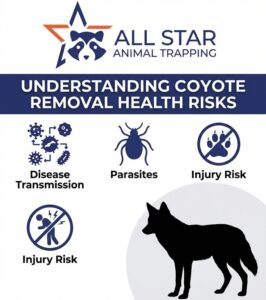
Los Angeles Understanding coyote removal health risks is essential for safe, responsible wildlife management protecting families, pets, and property from potential dangers. Professional coyote removal experts highlight risks like disease transmission, aggressive encounters, and stress-related injuries during handling, emphasizing humane, regulated methods to minimize hazards. Trained specialists use protective gear, vaccines, and proven protocols ensuring safety for humans and animals alike.
From urban backyards to rural farms, proper awareness reduces exposure while resolving conflicts effectively. Homeowners benefit from expert guidance avoiding common health pitfalls during removal processes.
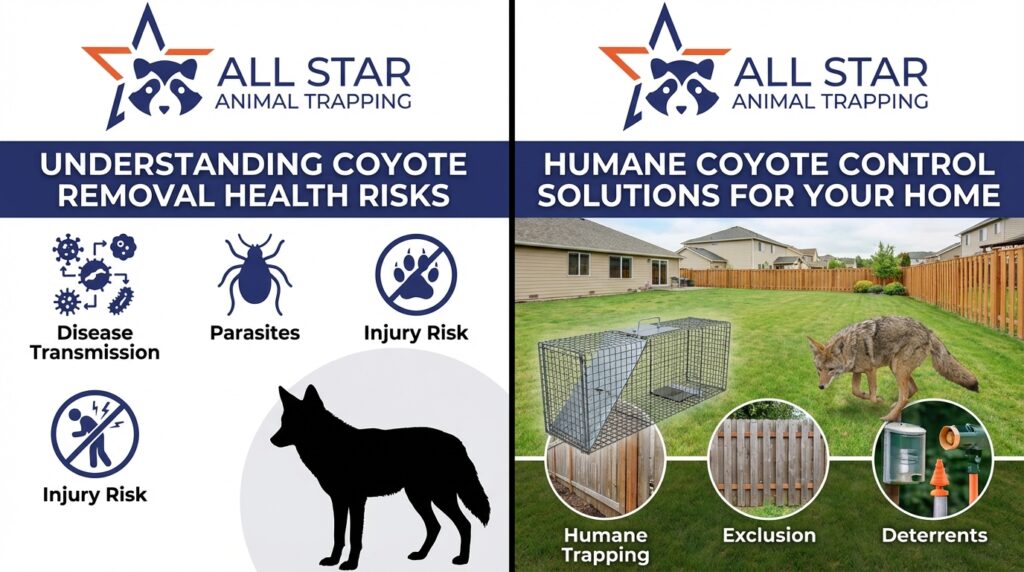
What Are Coyote Removal Health Risks and Why They Matter?
Coyote removal health risks include zoonotic diseases like rabies, leptospirosis, or parasites from bites, scratches, or contact with saliva/urine/scat. Aggressive defense during capture poses bite or injury threats.Los Angeles Stress-induced behaviors increase handling dangers unpredictably.
In areas like urban coyotes carry higher disease loads from human proximity, making professional protocols critical for safe removal.
Common Health Risks During Coyote Encounters
Coyotes transmit rabies through bites, rarely but fatally if untreated. Fleas/ticks carry additional pathogens. Scat contaminates soil with parasites.
Professionals vaccinate and use PPE mitigating exposure completely.
Who Faces Greatest Health Risks in Removal?
Homeowners attempting DIY removal, children playing outdoors, pet owners, and rural workers handling livestock face heightened risks. Immunocompromised individuals require extra caution.
Professional teams trained in safety reduce dangers dramatically.
Importance of Understanding Coyote Removal Health Risks
- Awareness prevents exposure to potentially fatal diseases like rabies effectively.
- Professional protocols minimize bite/scratch risks during handling procedures.
- Knowledge avoids parasite transmission from contaminated areas post-removal.
- Safe methods protect non-target pets and wildlife from stress injuries.
- Understanding risks supports humane, legal approaches reducing escalation.
- Expert management ensures public health compliance during operations.
Protecting Against Disease Transmission
Pre-exposure rabies vaccination for handlers, immediate wound cleaning, and post-exposure prophylaxis when needed prevent infection reliably.
Los Angeles Professionals follow CDC guidelines rigorously.
Avoiding Injury During Removal
Use of muzzles, catch poles, and sedatives reduces bite risks. Non-lethal deterrents avoid close contact altogether.
Trained techniques ensure safe capture and release.
Risk 1: Rabies Exposure
Rabies virus transmits through saliva in bites or scratches, fatal without prompt treatment. Coyotes show unusual boldness or aggression when infected.
Professionals test captured animals and administer prophylaxis if exposure occurs.
Risk 2: Leptospirosis and Bacterial Infections
Leptospira bacteria in urine contaminate water/soil causing fever, organ damage. Bites introduce secondary infections.
Gloves and disinfectants prevent transmission during handling.
Risk 3: Parasite Transmission
Fleas, ticks, and roundworms transfer during close contact or scat cleanup. Children/pets face higher ingestion risks.
Professionals use insecticides and deworming protocols.
Risk 4: Bite and Scratch Injuries
Defensive coyotes inflict deep wounds requiring medical attention and antibiotics. Stress increases aggression unpredictably.
PPE and calm techniques minimize direct contact.
Risk 5: Stress-Related Health Issues
Captured coyotes experience capture myopathy from stress leading to muscle damage. Improper handling worsens outcomes.
Humane traps and quick checks reduce suffering.
Risk 6: Secondary Infections from Wounds
Untreated bites/scratches develop abscesses or tetanus. Wildlife wounds carry unique bacteria.
Immediate medical care prevents complications.
Risk 7: Allergic Reactions to Dander/Saliva
Sensitive individuals react to coyote proteins causing respiratory or skin issues during close proximity.
Masks and distance maintain safety.
Pros and Cons of DIY vs. Professional Removal
DIY increases exposure risks dramatically; professionals mitigate hazards with training and equipment.
Common Health Mistakes During Removal
Direct handling without PPE, delaying wound treatment, or ignoring scat cleanup amplify dangers.
How Professionals Mitigate Health Risks
Experts use vaccines, PPE, sedatives, testing, and disinfection protocols ensuring safety.
Cost of Professional Safe Coyote Removal
Fees range $300–$1,500 including health safeguards and compliance measures.
Factors Affecting Health Risk Management Costs
Property access, coyote numbers, testing needs, and prevention integration influence pricing.
Are Professional Health Safeguards Essential?
Yes—experts eliminate exposure risks homeowners cannot match safely.
Key Features of Health-Safe Removal
Vaccination, PPE, testing, humane handling, disinfection, and documentation ensure zero risks.
Reference Table
| Health Risk | Description | Transmission Method | Common Symptoms | Professional Mitigation | Homeowner Risks |
| Rabies Exposure | Viral neurological disease | Bites/scratches | Aggression, paralysis | Testing, prophylaxis | Fatal without treatment |
| Leptospirosis | Bacterial kidney/liver infection | Urine-contaminated water | Fever, organ failure | PPE, disinfection | Severe illness |
| Parasite Transmission | Fleas/ticks/worms | Contact, scat | Itching, anemia | Insecticides, deworming | Pet/human infestation |
| Bite/Scratch Injuries | Deep wounds from defense | Direct attack | Pain, infection | Catch poles, muzzles | Medical treatment needed |
| Stress Myopathy | Muscle damage from capture stress | Prolonged holding | Weakness, death | Quick checks, humane traps | Animal suffering |
| Secondary Infections | Bacteria from wounds | Untreated bites | Abscesses, fever | Immediate care | Complications |
| Allergic Reactions | Response to dander/saliva | Close proximity | Respiratory/skin issues | Masks, distance | Exacerbated conditions |
Understanding Coyote Removal Health Risks – Final Thoughts
Los Angeles Understanding coyote removal health risks enables safe, responsible management protecting everyone involved. Professional expertise minimizes dangers while resolving conflicts humanely and effectively.
When to Prioritize Health Safety
Seek experts upon confirmed threats—professional protocols eliminate risks reliably.
Long-Term Benefits of Safe Removal
Health-focused approaches prevent diseases, reduce injuries, and support sustainable wildlife management permanently.
Conclusion
Understanding coyote removal health risks highlights the need for professional, safe solutions. Expert services deliver protected outcomes ensuring family safety and ethical wildlife handling responsibly.
FAQs
1. What health risks exist in coyote removal?
Coyote removal health risks primarily include rabies transmission through bites/scratches, leptospirosis from urine-contaminated water/soil, parasite infestations via fleas/ticks/worms, direct bite/scratch injuries requiring medical attention, stress-induced myopathy in captured animals, secondary bacterial infections from wounds, and allergic reactions to dander/saliva during close proximity encounters. Professionals mitigate these comprehensively with vaccines, PPE, testing, and humane protocols reliably.
2. How avoid rabies during removal?
Avoid rabies by never handling coyotes directly, using professional catch poles/muzzles for safe distance maintenance, receiving pre-exposure vaccination for high-risk individuals, immediate wound cleaning with soap/water if contact occurs, and seeking post-exposure prophylaxis promptly when needed. Professionals test captured animals and follow CDC guidelines rigorously. Humane non-lethal methods eliminate close contact risks entirely.
3. Are parasites common health risks?
Parasites like fleas, ticks, and roundworms commonly transmit during close contact or scat cleanup posing risks to humans and pets alike. Fleas carry tapeworms; ticks spread Lyme disease potentially. Roundworms cause visceral larva migrans in children especially. Professionals use insecticides, protective clothing, and deworming protocols mitigating transmission effectively.
4. What bite risks in coyote removal?
Bite risks increase during defensive reactions from cornered or captured coyotes causing deep puncture wounds requiring immediate medical attention and antibiotics. Stress escalates aggression unpredictably during handling procedures. Professionals utilize muzzles, sedatives, and catch poles minimizing direct contact reliably. Humane traps reduce struggle and injury potential substantially. Quick checks prevent prolonged stress reactions. Professional training ensures safe techniques consistently.
5. What costs safe professional removal?
Safe professional removal services typically range $300–$1,500 thoughtfully depending on property size, required safety measures, testing needs, and comprehensive prevention strategies carefully included from the outset. Basic assessments start lower while full territory management understandably increases pricing accordingly. Ongoing dedicated monitoring packages frequently provide exceptional long-term value alongside substantial savings opportunities.
6. Can DIY removal be safe?
DIY removal dramatically increases health risks lacking professional PPE, vaccines, training, and regulated equipment entirely. Homeowners face rabies exposure, parasite transmission, bite injuries, and legal violations without expertise. Professionals exclusively possess necessary tools and knowledge ensuring maximum safety throughout processes meticulously.
7. How mitigate parasite risks?
Mitigate parasite risks by wearing full PPE including gloves/masks during cleanup, using EPA-approved insecticides on affected areas, vacuuming with HEPA filters removing eggs, and deworming pets regularly. Professionals apply targeted treatments eliminating infestations completely.
8. Do health risks justify professionals?
Health risks absolutely justify professional involvement providing vaccines, PPE, testing, and protocols homeowners cannot match safely or legally. Experts eliminate exposure dangers through regulated methods and experience reliably. DIY attempts frequently result in injuries or diseases requiring costly medical treatment later.
9. How select safe removal experts?
Select fully licensed wildlife specialists clearly demonstrating health safety certifications, adequate comprehensive insurance coverage, consistently positive verified client reviews, and proven local expertise specifically tailored to coyote management. Thoroughly verify complete legal compliance records, transparent detailed pricing structures, and strong written guarantee policies upfront without exception always. Directly inquire thoughtfully about preferred regulated methods, established safety protocols, and valuable prevention recommendations routinely offered.
10. What long-term health benefits from safe removal?
Long-term safe removal dramatically reduces ongoing disease exposure risks substantially, actively safeguards family and pet health reliably, prevents recurring injury possibilities entirely, and successfully supports local ecosystem balance responsibly. Properties achieve proven coyote-resistant status increasing overall value noticeably. Consistent professional measures prevent habituation escalation and associated dangers permanently over years.
Humane Wildlife Removal You Can Trust
When nuisance wildlife becomes a problem, rely on All Star Animal Trapping for professional and humane animal removal services. We safely remove raccoons, skunks, squirrels, rodents, and more — protecting your home and family the right way.