
Opossums are nocturnal mammals that often find shelter in attics, sheds, garages, and gardens, especially in urban and suburban neighborhoods. While they are typically non-aggressive, their presence can lead to property damage, contamination, and noise disturbances that disrupt everyday life. Unchecked infestations can also create health risks for families and pets, as opossums leave droppings, urine, and nesting materials in areas of human activity.
Affordable opossum trapping services provide a practical, cost-effective solution to these wildlife problems. By combining professional expertise, humane trapping methods, and preventive strategies, these services ensure that opossums are removed safely and efficiently. Homeowners benefit from long-term solutions that protect property, reduce risks, and prevent repeat infestations, all while keeping costs manageable.
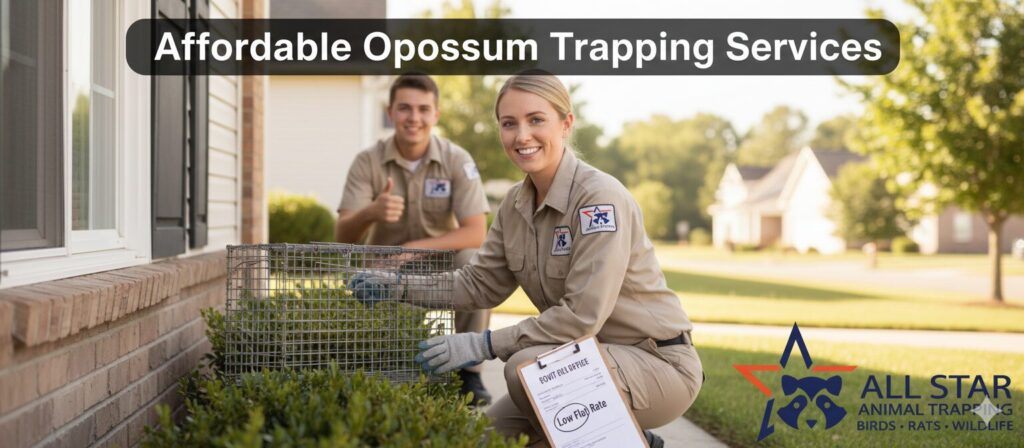
How Affordable Opossum Trapping Services Operate
Professional opossum trapping services follow a structured process that ensures both effectiveness and humane treatment. The first step is a thorough inspection of the property to identify nests, entry points, and areas with signs of activity. Technicians then place live traps strategically in high-traffic zones to maximize capture rates. Affordable services often provide upfront pricing, allowing homeowners to plan and budget without unexpected fees.
Detailed Inspection
- Technicians examine attics, crawl spaces, garages, and outdoor areas to identify opossum activity.
- They look for droppings, chewed materials, nesting sites, and footprints to understand the scope of the problem.
- Early inspection can identify vulnerabilities in the home that may not be obvious to homeowners.
Trap Placement and Monitoring
- Live traps are placed in discreet, high-traffic areas to capture opossums safely.
- Technicians check traps daily to minimize stress and ensure humane handling.
- Proper placement and monitoring increase capture efficiency and reduce the time needed to resolve the infestation.
Relocation and Exclusion
- Captured opossums are relocated in compliance with local wildlife regulations.
- After removal, technicians install exclusion measures such as chimney caps, vent covers, and fencing.
- These steps prevent future intrusions and protect the home from recurring problems.
What Factors Influence Trapping Costs?
The price of affordable opossum trapping depends on multiple factors, ranging from the severity of infestation to the accessibility of the nesting area. Understanding these variables helps homeowners make informed decisions and compare service options.
Infestation Size
- Single opossum intrusions may cost less than multi-animal infestations.
- Larger infestations require more traps, labor, and follow-up visits, which can increase total costs.
- Technicians may provide cost estimates after evaluating the number of animals and the extent of damage.
Accessibility and Complexity
- Opossums nesting in attics, chimneys, or under decks are harder to capture
- Hard-to-reach areas may require specialized equipment or extra labor hours.
- Homes with multiple entry points may also require more extensive exclusion measures.
Seasonal Factors
- Spring and summer are peak seasons for opossum activity due to mating and juvenile dispersal.
- Demand for trapping services may increase during these months, potentially affecting cost.
- Early action before peak activity can prevent larger infestations and higher expenses.
How Humane Trapping Methods Work
Humane trapping is a cornerstone of reputable opossum removal services. Professionals prioritize the safety of both animals and homeowners while ensuring effective removal.
Live Traps
- Opossums are captured alive using baited traps designed to minimize stress.
- Traps are checked frequently to avoid prolonged confinement.
- Live trapping allows safe relocation of animals to suitable habitats.
Safety Protocols
- Technicians wear protective gloves and use handling equipment to reduce the risk of bites and disease.
- Humane methods comply with local and state wildlife regulations.
- The approach balances ethical treatment of animals with effective property protection.
Relocation Procedures
- Captured opossums are released in approved wildlife areas far from human habitation.
- Technicians ensure the new habitat has adequate food, water, and shelter for the animals.
- Legal compliance prevents fines and promotes responsible wildlife management.
When to Seek Professional Opossum Trapping
Timely professional intervention prevents small problems from escalating. Homeowners should consider contacting experts when signs of opossum activity are noticed.
Early Signs
- Droppings in attics, crawl spaces, or garages indicate recent activity.
- Chewed insulation, wood, or electrical wiring suggests ongoing habitation.
- Unusual noises, including scratching or scurrying at night, are often the first indication of nocturnal activity.
Risk Assessment
- Even a single sighting may indicate more animals nearby.
- Prompt professional intervention prevents property damage and limits health risks.
- Professionals can assess whether preventive measures are necessary to avoid future infestations.
How Affordable Services Keep Costs Low
Affordable services are structured to maximize efficiency and minimize unnecessary charges.
Package Deals
- Many companies bundle inspection, trapping, and exclusion services at a fixed price.
- Bundles simplify budgeting and reduce overall costs compared to paying separately.
- Package deals often include follow-up visits to confirm the infestation is fully resolved.
Efficient Operations
- Experienced technicians complete the job faster without compromising quality.
- Efficient trap placement and monitoring reduce labor hours, saving homeowners money.
- Combining tasks, like removal and exclusion installation, avoids additional trips and charges.
Preventive Recommendations
- Technicians advise on long-term prevention, reducing the need for repeated visits.
- Steps such as sealing entry points, removing food attractants, and trimming vegetation provide long-term value.
- Preventive strategies protect property and reduce overall wildlife management costs.
Seasonal Considerations and Planning
The timing of trapping services can influence both effectiveness and cost.
Peak Activity Seasons
- Spring and summer are high-demand periods due to mating and juvenile dispersal.
- Early trapping in spring may prevent more serious infestations later in the season.
- Planning services during off-peak months can provide cost savings.
Winter Considerations
- Opossums are less active in winter, potentially reducing service fees.
- Traps may require additional protection to ensure captured animals are safe from cold temperatures.
- Winter removals can prevent late-season intrusions into attics and garages.
How Preventive Measures Add Value
Preventive measures improve the cost-effectiveness of trapping services and reduce long-term problems.
- Sealing gaps around doors, windows, and vents prevents reentry.
- Removing food sources, including pet food and unsecured trash, reduces attraction.
- Maintaining vegetation and trimming trees and shrubs limits cover for opossums.
- Monitoring and periodic inspections ensure that new infestations are caught early.
Expanded Bullet Points for Homeowners
- Base Service Costs: $150–$400 for single-animal removal; higher for multi-animal infestations.
- Damage Assessment: Inspect insulation, wiring, and wood damage to determine repair costs.
- Sanitation: Cleaning droppings and urine to remove bacteria and odors.
- Exclusion Devices: Chimney caps, vent covers, and fencing cost $50–$200.
- Follow-Up Visits: Ensure the infestation is fully resolved.
- Seasonal Factors: Spring and summer may slightly increase costs due to higher demand.
- DIY Considerations: DIY methods carry risks and may not be legal in some areas.
- Long-Term Savings: Preventive measures reduce repeat service needs and property damage.
Conclusion
Affordable opossum trapping services provide a comprehensive, cost-effective, and humane solution to wildlife problems. By combining professional expertise, humane removal methods, and long-term preventive strategies, homeowners can protect property, reduce health risks, and prevent repeat infestations. Early action is crucial to minimize damage and control costs effectively.
Investing in affordable trapping services ensures efficient removal, compliance with local laws, and lasting peace of mind. Homeowners gain the advantage of transparent pricing, professional handling, and strategies that prevent opossums from returning, providing safety, convenience, and long-term savings.
FAQs
1. How much do affordable opossum trapping services cost?
Costs generally range from $150 to $400, depending on infestation severity and property complexity.
2. Can I trap opossums myself?
DIY trapping is possible but carries safety and legal risks and may be ineffective.
3. Are professional trapping methods humane?
Yes, live traps are used, and animals are relocated safely according to regulations.
4. Will opossums return after removal?
Without preventive measures, opossums may re-enter through previously used entry points.
5. What preventive steps do professionals recommend?
Sealing gaps, removing food sources, trimming vegetation, and monitoring property regularly.
6. Is cleaning necessary after trapping?
Yes, droppings and urine can carry bacteria, so professional sanitation is recommended.
7. Do seasonal variations affect cost?
Spring and summer may increase rates due to higher demand and increased opossum activity.
8. How long does professional trapping take?
Most cases are resolved in 1–3 days, depending on the infestation size and location.
Humane Wildlife Removal You Can Trust
When nuisance wildlife becomes a problem, rely on All Star Animal Trapping for professional and humane animal removal services. We safely remove raccoons, skunks, squirrels, rodents, and more — protecting your home and family the right way.