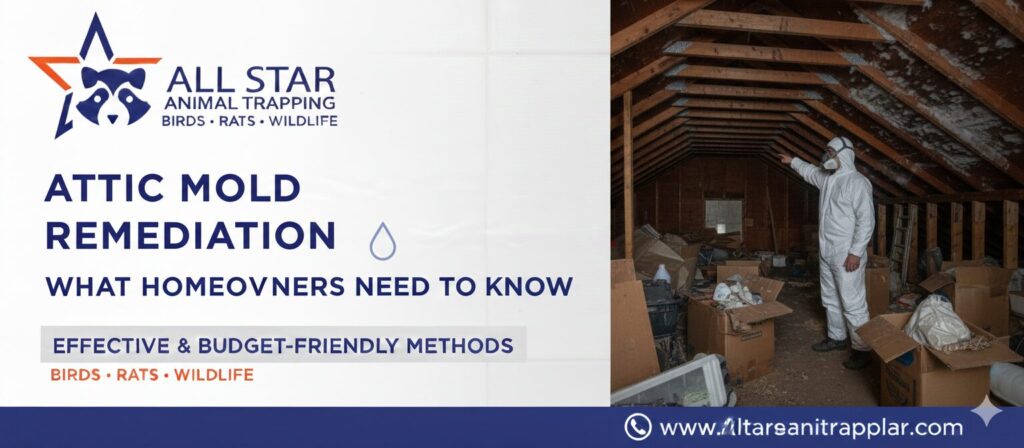
Attic mold is a hidden problem that can compromise both your home’s structure and your family’s health. Many homeowners in Los Angeles face challenges like roof leaks, poor ventilation, and high humidity, which encourage black mold in attic and other fungal growth. Ignoring these issues can reduce indoor air quality and cause allergy and respiratory risks for occupants.
Effective attic mold removal starts with early detection, proper inspection, and addressing moisture sources promptly. By understanding the causes, signs, and remediation techniques, homeowners can prevent costly damage, maintain safe living conditions, and ensure long-term mold prevention in home strategies are in place.
Understanding Attic Mold: Causes and Risks
Attic mold develops where moisture accumulates due to roof leaks, high humidity, or inadequate ventilation. Poor attic insulation or blocked vents can trap humid air, creating ideal conditions for mold spores to thrive. Homes in Los Angeles may face unique challenges as older roofing systems combined with seasonal moisture can encourage black mold in attic spaces. Mold growth can lead to structural damage, cause attic insulation issues, and reduce indoor air quality, making early identification and prevention critical for homeowners.
Major causes of attic mold include roof leaks, condensation, and insufficient airflow. When humidity levels remain high, fungal spores multiply rapidly and form visible colonies that range in color from black to green or white. Ignoring early signs can result in costly repairs and extensive remediation. Mold spores not only damage building materials but also affect indoor air quality, triggering allergy and respiratory risks for family members. Understanding the sources and conditions that promote mold growth is the first step toward effective attic mold remediation.
Common Sources of Mold in Attics
Mold often originates from roof leaks, condensation, and poor ventilation. Warm, moist air trapped in the attic encourages fungal growth, while plumbing leaks or HVAC issues can further increase moisture levels. Early detection is critical because once mold spores spread, removal becomes more complicated and costly.
Health Risks Associated with Attic Mold
Exposure to attic mold can trigger allergies, respiratory issues, and long-term health problems. Symptoms may include coughing, sneezing, watery eyes, and aggravated asthma. Chronic exposure can lead to sinus infections, lung irritation, or more severe respiratory complications, emphasizing the importance of timely remediation and effective mold cleanup strategies.
Signs You Have Mold in Your Attic
Early detection of mold helps prevent structural damage and protects health. Homeowners may notice dark spots or fuzzy growth on insulation, wooden beams, or ceiling panels. Musty odors and dampness are strong indicators of hidden mold colonies. In Los Angeles homes, mold often develops behind insulation or near roof vents. Regular inspections, especially after heavy rain or during high humidity, are essential to identify mold problems before they escalate.
In addition to visual signs, health symptoms can signal hidden mold infestations. Residents may experience frequent allergy flare-ups, coughing, or itchy eyes that worsen when indoors. Mold growth can affect indoor air quality and contribute to environmental health hazards, making early detection crucial. Addressing mold promptly prevents it from spreading and reduces the likelihood of costly water damage repairs and structural damage from mold.
Visual Indicators of Mold Growth
Look for black, green, or white patches on wood, insulation, or walls. Fuzzy or irregular textures often indicate active fungal growth that requires remediation.
Smell and Sensory Clues
A musty, earthy odor often accompanies hidden mold growth. Increased allergy symptoms among household members may indicate attic contamination by mold spores.
Assessing the Severity of Mold Infestation
Determining the extent ofmold infestation involves careful visual inspection and environmental assessment. Small patches may appear minor but can quickly spread if moisture persists. Major infestations often cover large sections of insulation or roof decking and require professional intervention. Proper assessment ensures that remediation efforts address all affected areas and reduce long-term damage. Homeowners in Los Angeles should especially monitor attic conditions during seasonal weather changes, as humidity fluctuations can exacerbate mold growth.
The severity of mold infestation dictates the remediation approach. Minor issues can be addressed with DIY mold remediation techniques and improved ventilation. Extensive infestations require containment, removal of contaminated materials, and professional services to prevent recurring problems. Documenting mold growth helps homeowners understand the scope of the issue and may be necessary for insurance purposes, ensuring safe and effective attic mold removal.
Minor vs. Major Mold Problems
Small, isolated patches of mold are typically manageable with careful cleaning and improved airflow, while widespread colonies can compromise structural components and require professional intervention.
When to Call a Professional
Professional help is necessary for infestations larger than 10 square feet or recurring mold that persists despite DIY efforts. Certified mold remediation experts ensure thorough treatment and reduce health risks.
Safety Precautions During Mold Remediation
Mold remediation carries health risks, making safety precautions essential. Personal protective equipment such as masks, gloves, and goggles protect against exposure to spores and dust. Proper ventilation and containment prevent mold spores from spreading into living areas. Limiting dust and debris during cleanup reduces inhalation hazards and improves safety for everyone involved.
Preparing the attic includes removing items, sealing off affected areas, and using fans to improve airflow. Air purifiers and dehumidifiers help maintain optimal conditions during and after remediation, reducing the risk of future fungal growth. Educating homeowners about safe disposal of contaminated materials and effective mold cleanup techniques is vital for minimizing environmental health hazards and ensuring the attic remains safe and healthy.
Personal Protective Equipment (PPE)
Masks, gloves, and goggles protect the skin and lungs from exposure to mold spores and dust during attic remediation.
Preparing the Attic for Safe Cleaning
Sealing off the attic, improving ventilation, and controlling dust prevent the spread of mold during cleanup efforts.
DIY Attic Mold Removal Methods
Homeowners can manage minor mold infestations using careful DIY techniques. Cleaning small areas involves scrubbing affected surfaces with mold removers or vinegar solutions, ensuring that all contaminated material is removed. Drying the space thoroughly and monitoring humidity levels helps prevent recurrence.
Common mistakes include ignoring moisture sources and improperly disposing of contaminated insulation. Materials should be removed safely to avoid spreading spores. Failing to address the root causes of mold allows it to return, resulting in higher remediation costs and potential health risks. Patience, attention to detail, and consistent monitoring are essential for successful DIY attic mold removal.
Cleaning Small Areas Safely
Small mold patches can be cleaned effectively with vinegar or commercial mold removers. Gentle scrubbing helps prevent spores from spreading further.
Mistakes to Avoid During DIY Remediation
Do not ignore leaks or moisture issues, and always dispose of contaminated materials safely to prevent recontamination.
Professional Attic Mold Remediation Services
Certified professionals provide comprehensive attic mold remediation, including inspection, containment, removal, and verification of cleaning. Experts use specialized equipment to ensure structural integrity and minimize health risks. In Los Angeles, homeowners often rely on professional services to address persistent moisture issues and widespread infestations, ensuring long-term results.
Professional treatment involves assessing the extent of contamination, removing affected insulation or wood, cleaning surfaces thoroughly, and testing for residual mold spores. Post-remediation verification confirms the attic is mold-free. Professional services reduce the risk of recurring mold, protect indoor air quality, and ensure safe disposal of contaminated materials, providing peace of mind and effective long-term results for homeowners.
Choosing the Right Mold Remediation Company
Look for certifications, experience, and customer reviews to ensure reliable and effective attic mold remediation services.
What to Expect During Professional Treatment
Expect thorough inspection, containment, removal of contaminated materials, and post-cleaning verification to confirm the attic is safe and mold-free.
Preventing Future Mold Growth in Your Attic
Prevention is key to avoiding mold recurrence. Proper ventilation, insulation maintenance, and regular attic inspections reduce the likelihood of fungal growth. Roof repairs and moisture control in attic spaces prevent leaks from creating a mold-friendly environment. Homes in Los Angeles should monitor humidity and roof conditions seasonally to ensure optimal attic conditions.
Moisture control includes sealing gaps, using dehumidifiers, and ensuring attic fans operate efficiently. Proactive maintenance prevents mold spores from multiplying and protects indoor air quality. By consistently monitoring conditions, homeowners can avoid costly remediation, maintain a safe environment, and prevent structural damage caused by long-term mold exposure.
Ventilation and Insulation Tips
Ensure proper airflow with fans, maintain insulation, and check for ventilation blockages to prevent condensation and mold growth.
Moisture Control and Leak Prevention
Repair leaks promptly, seal vents, and use dehumidifiers to maintain a dry attic environment that discourages fungal growth.
Cost of Attic Mold Remediation
The cost of attic mold remediation varies depending on the size of the infestation and whether homeowners use DIY methods or hire professionals. Minor infestations may be manageable with simple cleaning and moisture control, while major infestations require specialized equipment and certified services. Factors such as attic accessibility, the materials affected, and the extent of fungal growth impact the overall cost.
DIY remediation is more affordable but labor-intensive, while professional services provide thorough treatment and verification of mold removal. Investing in professional remediation often reduces long-term costs by preventing recurring infestations and protecting indoor air quality. Homeowners should weigh the cost against potential health risks, structural damage, and insurance considerations to make informed decisions.
Average DIY vs. Professional Costs
DIY remediation costs include materials and cleaning products, while professional services encompass inspection, containment, removal, and post-treatment verification, often ranging from several hundred to several thousand dollars.
Factors Affecting the Price
Remediation cost depends on infestation size, attic accessibility, materials affected, and the complexity of containment and cleaning techniques required.
Table
| Mold Type | Common Location | Health Risk | Recommended Action |
| Black Mold | Roof decking, insulation | Severe allergies, respiratory issues | Professional removal |
| Green Mold | Wood beams, corners | Mild allergies | DIY cleaning, moisture control |
| White Mold | Attic insulation, vents | Minor irritation | Remove contaminated material |
Essential Steps for Effective Attic Mold Remediation
- Inspect your attic regularly for early signs of mold growth.
- Ensure proper ventilation and maintain insulation in good condition.
- Repair roof leaks immediately to prevent moisture buildup.
- Use dehumidifiers to control humidity levels in the attic.
- Remove contaminated insulation and materials safely to avoid spreading spores.
- Hire certified professionals for infestations larger than 10 square feet.
- Clean small mold patches promptly to prevent expansion.
- Monitor indoor air quality and household health symptoms.
- Keep vents and HVAC systems clear for proper airflow.
- Maintain a consistent inspection and maintenance schedule to prevent recurrence.
Conclusion
Attic mold remediation is essential for protecting both the home and the health of its occupants. By understanding the causes, identifying early signs, and implementing proper prevention and remediation strategies, homeowners can maintain safe living environments. Regular inspections, moisture control, proper ventilation, and timely professional interventions ensure that mold problems do not recur, protecting both property value and family health in the long term. Preventing fungal growth, maintaining indoor air quality, and addressing structural concerns promptly are key steps every homeowner should prioritize.
FAQs
1. What causes mold in attics?
Mold in attics is caused by moisture accumulation from roof leaks, condensation, or poor ventilation. High humidity and inadequate insulation also create ideal conditions for fungal growth.
2. How can I tell if my attic has mold?
Look for dark patches on insulation or wood, musty odors, and signs of water damage. Increased allergy or respiratory symptoms in residents may also indicate hidden mold.
3. Is attic mold dangerous to health?
Yes, exposure can trigger allergies, asthma attacks, coughing, and sinus irritation. Long-term exposure may lead to chronic respiratory issues, especially in children or sensitive adults.
4. Can I remove attic mold myself?
Small infestations can be cleaned using mold removers or vinegar and proper scrubbing. However, large areas or recurring mold should be handled by professionals to ensure safety.
5. What safety precautions should I take during mold removal?
Wear masks, gloves, and goggles to avoid inhaling spores. Seal off the attic, use proper ventilation, and handle contaminated materials carefully to prevent spread.
6. How do professionals remove attic mold?
Certified companies inspect, contain, and remove affected areas, including insulation and wood. They verify post-cleaning with tests to ensure the attic is fully mold-free.
7. How can I prevent mold from returning?
Ensure proper ventilation, maintain insulation, fix leaks promptly, and use dehumidifiers when needed. Regular attic inspections also help prevent future growth.
8. How much does attic mold remediation cost?
DIY remediation may cost a few hundred dollars for cleaning supplies, while professional services can range from $500 to several thousand depending on infestation size.
9. What happens if mold is ignored?
Ignoring mold allows spores to spread, weakening beams, insulation, and indoor air quality. It can result in costly water damage repair and health risks over time.
10. Can attic mold affect my entire home?
Yes, spores can travel through ventilation systems and into living spaces. Early remediation is essential to protect indoor air quality and prevent structural damage.
Humane Wildlife Removal You Can Trust
When nuisance wildlife becomes a problem, rely on All Star Animal Trapping for professional and humane animal removal services. We safely remove raccoons, skunks, squirrels, rodents, and more — protecting your home and family the right way.