Trapping coyotes is not an easy task. They are smart animals by nature and know how to stay out of trouble. Even the mere scent left by a human touching a trap will prevent the coyote from entering the cage trap. Grip traps are illegal in California. For these reasons, preventive repairs are the senior coyote services we provide. In fact, we don’t offer coyote trapping first, but will do it when actually called for. However, we do it alongside (after) coyote prevention steps are designed and implemented. Our coyote rollers are the most effective solution to protect your family, pets, property and business.
At All Star Animal Trapping we have years of experience in helping families with coyote problems in Los Angeles and nearby areas.
With us you can rest assured of our high-quality services at affordable prices – along with 100% client satisfaction.
Give us a call at (323)-540-2011 if you feel the need for coyote prevention and trapping services.
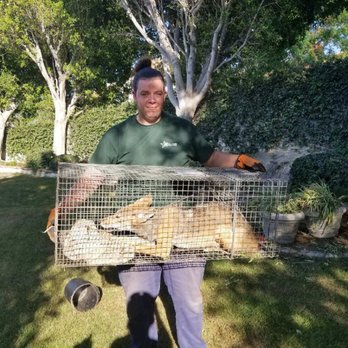
Depredation of pets and livestock – coyotes can eat anything including dog, cat, goat, sheep, chicken and other livestock.
They can transmit diseases with scary names like hepatitis, rabies and something called parvovirus to animals that come in contact with them.
Coyotes carry many types of diseases that can lead to intestinal worms,mange and fleas in pet animals.
If a coyote injures a human (which happens rarely) they may need to have hundreds of stitches.
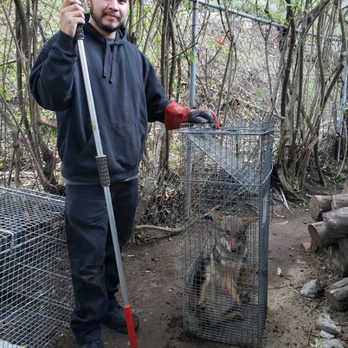
Here at All Star Animal Trapping we are committed to offering humane and effective solutions to your coyote problems. Our well-trained team makes use of specialized devices and techniques to catch animals; while maintaining the security of both animals and occupants as a top priority.
We are here to ensure your safety and the safety of your pets while getting rid of unwanted guests.
Don’t put your pets, family members or employees and customers at risk, call us at (323) 540-2011. We’ll be glad to secure your future from harm or illnesses that a wild animal can cause.
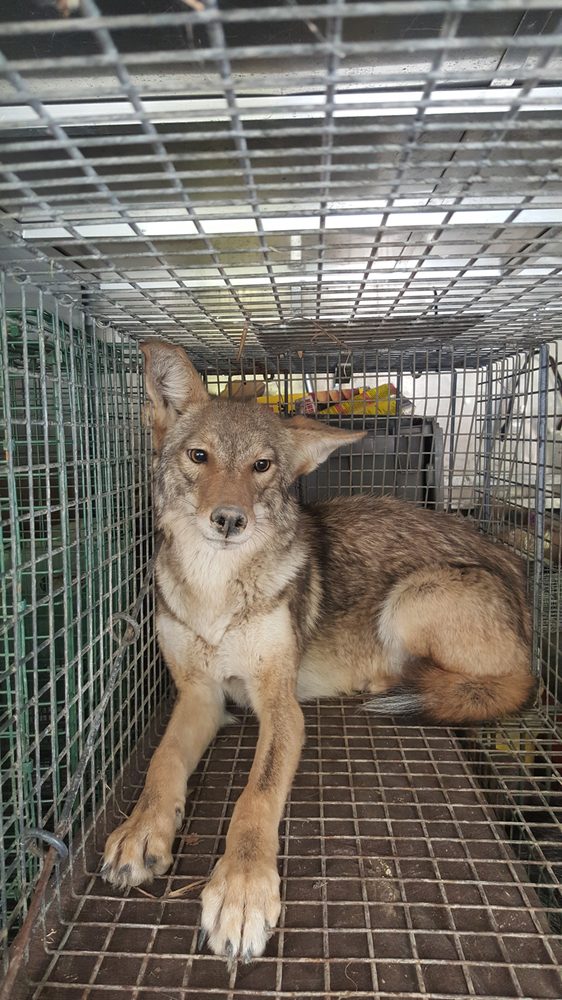
The coyote is a wild animal that shares a kinship with the wolf and the fox. In fact, in size it is in the middle of both. They are known to be animals that get along well with the environment, which has allowed the development of a great variety of subspecies throughout the world. Among the best-known coyote subspecies are the Mexican, the Plains and California Valley Coyotes.
Another identifying characteristic is the color of their fur, which ranges from gray to dark yellow. Coyotes can live in mountainous areas, wooded areas or swamps. They are animals that adapt easily to any environment, so they can also be seen in urban areas. Experts even assert that instead of decreasing due to human intervention and hunting in their habitat, coyotes populations are still on the rise.
Due to their nature, coyotes are considered carnivorous animals. However, this is closely related to the environment and the availability of food. A coyote’s diet can vary between birds, mammals, reptiles, fish, arthropods and also some seeds or fruits. When coyotes break into farms or housing developments, there is a risk of them engaging in hunting within the area, affecting farm animals such as rabbits, sheep, cattle and even domestic pets. To avoid these events, people seek to chase them away or trap them.
So, how would you catch a coyote? Consider the following.
Each state has their own regulations regarding trapping coyotes. Considering that in many places they are considered a pest and are not in danger of extinction, there are not many restrictions. However, the trapper is requested to follow a series of rules regarding the tools used and the approach.
When trying to capture a coyote, traps are usually used. They must have the name and address of the person who set them, a.k.a a “trap tag,” and the trap itself must be adequate to avoid injuring the coyote. No trap should be placed where people or domestic animals are present.
Coyotes usually return to the same place, so it’s important to study the areas where they usually go. Some strategic places within farms are around fences and visible trails where coyote tracks can be seen.
Our staff is trained with multiple trapping and exclusion techniques, and we carry specialized equipment to ensure coyotes are handled using the safest and most humane methods available. In some cases we can deter or capture the animal without traditional traps, for example when there are dens or pups present.
Once the coyote has been removed, we will thoroughly inspect and clean the affected area of your property. This includes removing attractants such as food waste, sanitizing areas where coyotes may have left droppings, and ensuring there are no lingering hazards for your family, pets, livestock, employees or customers.
 Call us at (323) 540-2011 to schedule a residential or commercial inspection today!
In addition to humane coyote removal, we also provide professional solutions for pigeons, snakes, raccoons, skunks, rats and more. Our Los Angeles wildlife control experts have been performing safe removals for decades.
We’ll resolve your coyote problem quickly, protect your property and give back your peace of mind.
Our professional services cover Los Angeles and surrounding cities. Below are some of the most requested nearby areas along with ZIP codes.
coyote preventive services beverly hills ca, coyote preventive services pasadena ca, coyote preventive services west hills ca, coyote preventive services los angeles ca, coyote removal los angeles, coyote preventive services altadena ca, coyote surgery cost under fence crawl, coyote traps, coyoteremoval
All Star Animal Trapping specializes in providing comprehensive coyote trapping and removal services tailored to the unique needs of Los Angeles residents. Our approach combines humane methods with effective strategies to ensure the safety of your property and loved ones.
With a deep understanding of coyote behavior and local regulations, we are equipped to handle coyote-related issues efficiently. Our team is dedicated to restoring peace of mind for homeowners and businesses alike, ensuring that coyotes are removed safely and responsibly.
To effectively manage coyote populations, it is crucial to understand their behavior and habits. Coyotes are highly adaptable creatures, often seen in urban settings where they search for food and shelter. Recognizing their patterns can help in formulating effective prevention and trapping strategies.
For instance, coyotes are known to travel along established pathways and are often attracted to areas with easy access to food sources, such as pet food left outside or unsecured garbage. By understanding these behaviors, property owners can take proactive measures to deter coyotes from frequenting their areas.
Implementing preventive measures is essential for minimizing encounters with coyotes. Simple steps, such as securing trash bins, removing outdoor food sources, and installing coyote rollers, can significantly reduce the likelihood of attracting these animals to your property.
Additionally, educating the community about coyote safety and responsible pet ownership is crucial. Keeping pets indoors during dusk and dawn, when coyotes are most active, and supervising them outside can help prevent unfortunate incidents.
Humane trapping methods are not only ethical but also effective in managing coyote populations. At All Star Animal Trapping, we prioritize the well-being of wildlife while ensuring the safety of your property. Our techniques are designed to capture coyotes without causing them harm.
Utilizing humane traps allows us to relocate coyotes safely, reducing the risk of injury to the animal and minimizing stress. This approach aligns with our commitment to responsible wildlife management and reflects our dedication to community safety and ecological balance.
Our customers' satisfaction is a testament to the quality of our services. Many have praised All Star Animal Trapping for our prompt response, professional expertise, and effective coyote removal solutions. Their positive experiences highlight the importance of choosing a reliable wildlife control service.
Feedback from clients showcases our commitment to customer service and the successful outcomes we achieve. Whether dealing with a single coyote or a larger issue, our team is dedicated to providing the best possible solutions for your wildlife concerns.