
Crawl spaces often hide unseen threats that can dramatically impact your home’s air quality and family health. Excess moisture, accumulated dust, mold, and chemical pollutants can silently degrade indoor air, causing allergies, respiratory issues, and long-term structural damage.
In Los Angeles, older homes with unsealed crawl spaces are particularly vulnerable. Addressing crawl space air quality solutions for a healthier home is not only about comfort but also protecting your family and property. This guide explains effective strategies to control moisture, improve ventilation, prevent mold, and maintain clean air year-round.
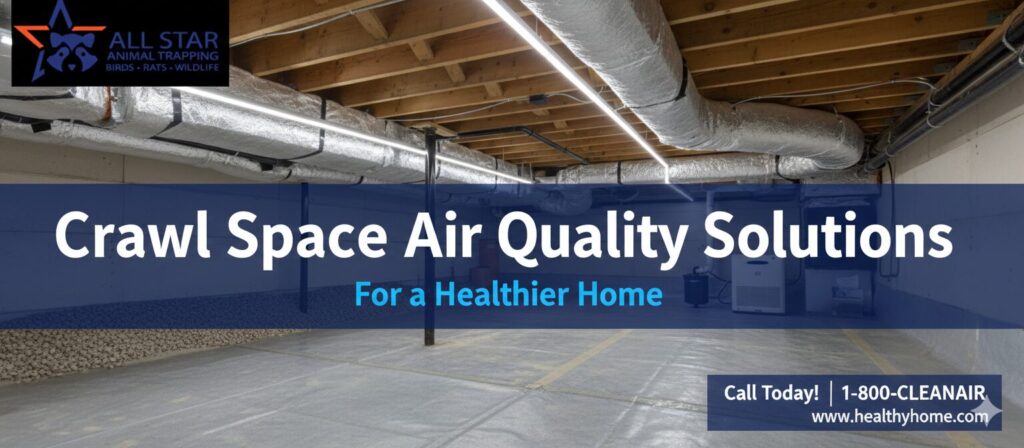
Understanding Crawl Space Air Quality
Crawl spaces are hidden areas prone to moisture accumulation, dust, mold spores, and chemical pollutants. Without proper ventilation and insulation, these contaminants can rise into living areas, triggering allergies and respiratory problems. Homes in Los Angeles often face unique challenges due to seasonal humidity and aging foundations. Indoor air pollution from crawl spaces can sometimes exceed outdoor air contamination, making it essential to understand the environment. Knowing the sources and behavior of pollutants is the first step in maintaining a healthy home and preventing structural damage.
Environmental conditions such as temperature fluctuations, damp wood, and chemical residues increase the risk of contamination. Dust mites and bacteria thrive in humid conditions, while radon gas can seep through cracks in the foundation. Implementing proper crawl space ventilation, crawl space moisture control, and air filtration systems for home drastically improves air quality. Regular monitoring and maintenance transform crawl spaces into safe areas that no longer compromise the health of your family or the durability of your home.
Common Pollutants in Crawl Spaces
Crawl spaces contain mold, mildew, dust mites, radon, and volatile organic compounds, all of which affect indoor air quality. Mold grows in damp areas, producing spores that cause respiratory issues. Radon, a radioactive gas, can seep through foundation cracks and linger, increasing long-term health risks. Dust mites and VOCs from stored chemicals worsen allergies, making it difficult to maintain a healthy indoor environment. Understanding these pollutants allows homeowners to implement ways to prevent mold in crawl spaces and apply proper crawl space remediation to reduce health risks effectively.
Signs of Poor Crawl Space Air Quality
Poor crawl space air quality often manifests as subtle health symptoms or structural signs in the home. Musty odors, frequent sneezing, coughing, or worsening asthma indicate that contaminants are entering living areas. Seasonal humidity in Los Angeles intensifies these issues, making observation crucial. Early detection allows homeowners to implement tips for healthier indoor air and address crawl space issues before they escalate, ensuring a healthier home environment for the entire family.
Structural damage, including warped or rotting wood, water stains, and pest infestations, often accompanies poor air quality. Ignoring these signs reduces property value and increases long-term repair costs. Using crawl space maintenance checklists, dehumidifiers, and ventilation techniques prevents worsening conditions. Regular monitoring protects the health of residents and extends the lifespan of building materials while maintaining a cleaner and safer indoor environment.
Health and Home Indicators
Homeowners can identify poor crawl space air quality by musty odors, allergies, respiratory discomfort, damp wood, visible mold, and structural damage. Recognizing these indicators early allows timely intervention to reduce health risks and protect the home’s integrity.
Importance of Ventilation in Crawl Spaces
Proper ventilation is essential to maintain crawl space air quality. Without it, moisture accumulates, creating an ideal environment for mold and mildew. Homes in Los Angeles benefit from both passive and activecrawl space ventilation, which encourages air circulation and prevents contaminated air from reaching living areas. Proper ventilation contributes significantly to home air quality improvement and overall household health.
Active ventilation, using mechanical fans or dehumidifiers, continuously removes damp air. Passive vents rely on natural airflow and must be placed correctly for effectiveness. Integrating ventilation with crawl space insulation solutions, crawl space sealing techniques, and moisture control ensures a comprehensive approach. These measures improve air quality, reduce allergens, and extend the life of structural materials while maintaining a healthier home.
Ventilation Methods
Ventilation methods include passive vents, active fans, and crawl space dehumidifiers, all designed to remove moisture and airborne pollutants. Properly implemented ventilation reduces mold growth, prevents stagnant air, and supports a healthy indoor environment.
Moisture Control Techniques
Moisture is the primary cause of degraded crawl space air quality. Leaks, rainfall, and condensation promote mold, mildew, and wood rot. Implementing crawl space moisture control measures, including vapor barriers, sump pumps, and proper grading, helps maintain a dry and safe environment. Los Angeles homes need tailored solutions due to climate variations and occasional heavy rains.
Reducing humidity protects both health and the structural integrity of the home. Dehumidifiers, foundation sealing, and proper drainage prevent excessive moisture accumulation. Long-term application of the best solutions for crawl space moisture ensures sustainable air quality, reduces allergens, and prevents costly repairs while creating a healthier home environment for residents.
Preventing Water Damage
Vapor barriers, sump pumps, and drainage systems prevent water intrusion, preserving wood and structural materials. Moisture control reduces mold growth and maintains healthy indoor air for long-term home safety.
Insulation Strategies for a Healthier Crawl Space
Proper insulation regulates temperature, reduces moisture, and improves crawl space air quality. Rigid foam, spray foam, and fiberglass insulation provide various benefits depending on home construction. Using crawl space insulation solutions helps prevent condensation, limits the spread of allergens, and supports energy efficiency. Homes in Los Angeles particularly benefit from combining insulation with ventilation and sealing techniques.
Spray foam seals gaps and limits air movement, rigid foam provides long-term durability, and fiberglass offers a cost-effective solution. Proper insulation complements crawl space remediation and other preventive measures, enhancing indoor air quality while maintaining structural integrity. Consistently maintaining insulation, ventilation, and moisture control ensures a healthier home and long-term energy savings.
Best Insulation Materials
Rigid foam, spray foam, and fiberglass insulation effectively regulate temperature, prevent condensation, and reduce allergen spread in crawl spaces, contributing to a cleaner and healthier home environment.
Air Filtration and Purification Options
Air filtration removes dust, mold spores, VOCs, and other contaminants from home air. Installing HEPA filters, air purifiers, or integrating filtration into HVAC systems significantly improves indoor air quality. Proper air filtration systems for home help maintain clean air, reduce allergens, and improve overall comfort, especially in homes with crawl spaces prone to contamination.
Connecting filtration systems to ventilation ensures pollutants are captured before entering living areas. Advanced air purifiers neutralize bacteria and mold spores, providing long-term benefits for household health. These methods are essential tips for healthier indoor air and maintaining a sustainable and safe home environment.
Choosing the Right System
Selecting the right air filtration system depends on home size, crawl space condition, and allergen severity. HEPA filters, purifiers, and HVAC-integrated solutions are all effective for reducing airborne contaminants and improving overall indoor air quality.
Regular Crawl Space Maintenance
Routine maintenance is vital for long-term crawl space health. Regular inspections, debris removal, and humidity monitoring prevent mold, pests, and structural damage. Using a crawl space maintenance checklist ensures all areas are addressed systematically, reducing indoor air pollution and improving household safety.
Professional inspections complement DIY maintenance by identifying hidden issues. Documenting conditions over time helps track improvements and ensures consistent air quality. Combining regular maintenance with ventilation, insulation, and filtration supports reducing allergens from crawl space and maintaining a healthier living environment.
Inspection and Cleaning Tips
Crawl spaces should be inspected frequently for moisture, mold, and pest activity. Cleaning debris and monitoring dehumidifiers or ventilation systems ensures long-term indoor air quality and structural safety.
Professional Solutions vs. DIY Methods
DIY solutions, such as installing vents or dehumidifiers, can address minor crawl space issues. Severe mold infestations, radon exposure, or structural damage require professional crawl space remediation services. Homeowners must evaluate the severity of problems before deciding between DIY or professional interventions.
Professionals can detect hidden risks, implement mitigation strategies, and provide ongoing monitoring. Los Angeles homes with older foundations often benefit from professional solutions due to complex structural and environmental factors. Knowing how to improve crawl space air quality effectively requires balancing safety, cost, and long-term health considerations.
When to Call an Expert
Professional intervention is necessary for extensive mold, radon, or water damage. Experts provide thorough remediation, ensuring long-term air quality improvements and structural safety.
Long-Term Benefits of Improved Crawl Space Air Quality
Enhancing crawl space air quality produces long-lasting benefits. Cleaner air reduces allergies, improves HVAC efficiency, and increases comfort. Proper maintenance preserves structural integrity, prevents costly repairs, and maintains indoor air quality over time.
Well-maintained crawl spaces increase home value and resale potential. Residents in Los Angeles experience improved indoor air quality, energy efficiency, and reduced health risks. Implementing crawl space air quality solutions for a healthier home ensures sustainable protection, comfort, and property longevity.
Health and Home Value Impact
Improved crawl space air quality reduces allergens, enhances energy efficiency, and protects property value. Safe, clean crawl spaces support health and maintain structural durability over time.
Table of Crawl Space Issues and Solutions
| Issue | Solution | Benefits |
| Moisture & Humidity | Vapor barriers, dehumidifiers | Prevents mold, wood rot, and pest growth |
| Poor Ventilation | Passive vents, active fans | Improves airflow and reduces airborne pollutants |
| Insulation Gaps | Rigid foam, spray foam, fiberglass | Maintains temperature, limits moisture, blocks allergens |
| Airborne Pollutants | HEPA filters, HVAC integration | Removes dust, VOCs, mold spores, and allergens |
Key Steps to Maintain a Healthy Crawl Space
- Inspect crawl spaces regularly for moisture, mold, pests, and structural damage.
- Install proper ventilation using passive vents, active fans, or dehumidifiers to remove stale, humid air.
- Apply vapor barriers, sump pumps, and drainage solutions to control crawl space moisture.
- Use rigid foam, spray foam, or fiberglass insulation to prevent condensation and maintain temperature.
- Integrate air filtration systems, including HEPA filters and HVAC purifiers, to remove dust, VOCs, and mold spores.
- Seal cracks and gaps in foundations to prevent radon, pests, and damp air from entering.
- Conduct routine cleaning by removing debris, monitoring humidity, and checking for pest activity.
- Implement DIY ventilation solutions for minor issues, but call professionals for severe mold, water damage, or radon problems.
- Track improvements over time using a crawl space maintenance checklist.
Conclusion
Maintaining crawl space air quality solutions for a healthier home is essential for long-term health, safety, and property protection. Addressing moisture, ventilation, insulation, and air filtration comprehensively reduces allergens, mold, and indoor air pollution. Homes in Los Angeles particularly benefit due to older structures and climate conditions. Combining crawl space cleaning tips, humidity control, and professional remediation services ensures healthier air, structural integrity, and increased property value. A proactive approach transforms crawl spaces from hidden hazards into safe and beneficial parts of the home environment.
FAQs
1. What is crawl space air quality and why does it matter?
Crawl space air quality refers to the cleanliness of air in the area beneath your home. Poor air quality can lead to mold growth, allergies, and respiratory problems throughout the house.
2. How can I tell if my crawl space air quality is poor?
Common signs include musty odors, visible mold, damp wood, and increased allergy symptoms. Regular inspections help detect problems early before structural damage occurs.
3. What are the main pollutants in crawl spaces?
Crawl spaces often contain mold, mildew, dust mites, radon, and VOCs. These pollutants can negatively impact indoor air quality and overall health.
4. How does ventilation improve crawl space air quality?
Proper ventilation removes stagnant, humid air, preventing mold and mildew growth. Passive vents, active fans, or dehumidifiers ensure healthier airflow and reduce allergens.
5. What moisture control techniques work best for crawl spaces?
Vapor barriers, sump pumps, and proper grading help prevent water intrusion. Dehumidifiers maintain low humidity levels, reducing mold growth and structural damage.
6. Which insulation is best for a healthy crawl space?
Rigid foam, spray foam, and fiberglass insulation provide temperature regulation and moisture prevention. Proper insulation also helps limit allergens from spreading into the home.
7. Are air filtration systems necessary for crawl spaces?
Yes, HEPA filters and HVAC-integrated purifiers capture dust, mold spores, and VOCs. Filtration significantly improves indoor air quality and overall comfort.
8. How often should I maintain or inspect my crawl space?
Inspections should occur at least twice a year, and more frequently in humid climates. Regular cleaning, pest control, and moisture monitoring keep air quality safe.
9. When should I hire a professional for crawl space issues?
Professional crawl space remediation is recommended for severe mold, radon, water damage, or structural concerns. Experts ensure safe and effective solutions when DIY methods are insufficient.
10. What are the long-term benefits of improved crawl space air quality?
Cleaner air reduces allergies, improves HVAC efficiency, and preserves structural integrity. Homes with maintained crawl spaces also see increased property value and healthier living environments.
Humane Wildlife Removal You Can Trust
When nuisance wildlife becomes a problem, rely on All Star Animal Trapping for professional and humane animal removal services. We safely remove raccoons, skunks, squirrels, rodents, and more — protecting your home and family the right way.