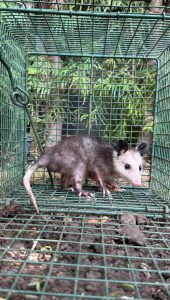
If you’ve recently spotted a “possum” wandering across your Los Angeles yard or digging through your trash cans, you’re not alone. These nocturnal visitors—properly called opossums—are common in Southern California neighborhoods. With their pink noses, sharp teeth, and rat-like tails, they can look intimidating. Many homeowners immediately wonder: Do possums have rabies? Can they harm pets or people?
The good news is that most possums are harmless scavengers helping to clean up the environment. Still, knowing the facts about rabies, diseases, and safe possum removal is essential for protecting your family and pets. This guide from All Star Animal Trapping explains everything Los Angeles residents need to know—plus expert prevention and removal tips.
Understanding Possums in Los Angeles
Possums in Los Angeles are often misunderstood creatures that prefer to live quietly and avoid conflict. They usually emerge after sunset to scavenge and help clean the environment. While they may look like pests, they actually play a crucial role in controlling insects and rodents that spread disease. Homeowners often mistake their presence for infestation, but most possums move on within days. If one takes up residence, humane removal ensures safety for both humans and wildlife.
What Are Opossums (and Why We Call Them Possums)?
In the United States, the correct term is opossum, though people commonly shorten it to possum. The species found around Los Angeles is the Virginia opossum, the only marsupial native to North America. Females carry their young in a pouch like kangaroos, and unlike rodents, opossums have opposable thumbs and prehensile tails that help them climb.
Common Species Found Across Southern California
Only the Virginia opossum lives in California, but it has adapted well to urban environments. You’ll find them from Burbank and Glendale to Pasadena, Santa Monica, and Long Beach. They favor shady, quiet hiding spots—under decks, sheds, attics, or garages—especially near water or fruit trees.
Why Possums Are Important for the Ecosystem
Possums are nature’s sanitation team. They consume:
- Insects, roaches, snails, and slugs
- Small rodents like mice and rats
- Fallen fruit, garbage, and even roadkill
- Snakes (they’re immune to certain venoms)
By eating pests and carrion, opossums reduce disease spread and help keep Los Angeles neighborhoods cleaner.
Can Possums Actually Get Rabies?
The simple answer is no, not easily. Possums have natural biological resistance to the rabies virus because of their low body temperature and strong immune system. Unlike raccoons or bats, rabies outbreaks among opossums are nearly non-existent in California. The few isolated cases reported nationwide are extremely rare. Instead of fear, awareness is key—understanding that possums’ defensive hissing and drooling are not rabid symptoms helps residents respond calmly and safely.
How Rabies Spreads Among Mammals
Rabies is a deadly virus that attacks the nervous system and spreads through bites or infected saliva. In California, common rabies carriers include bats, raccoons, skunks, and foxes—but not possums.
Why Rabies Is Extremely Rare in Possums
Here’s the science: opossums have a body temperature of about 94–97 °F, much lower than most mammals. Rabies thrives in warmer conditions, so it can’t easily survive or replicate inside a possum’s body. That’s why confirmed rabies cases in possums are extremely rare. Wildlife data shows raccoons and bats make up nearly all California rabies reports, while possums almost never appear.
The Opossum Rabies Myth Explained
The opossum rabies myth persists because frightened possums sometimes hiss, drool, and show their teeth—behaviors that resemble rabies symptoms. In reality, they’re simply scared. These defensive displays help them appear dangerous enough for predators (or humans) to back off.
Do Possums Carry Rabies That Can Affect Humans or Pets?
Rabies transmission from possums to humans or pets is practically unheard of, yet caution is still smart. If you or your pet ever has direct contact with wildlife, always clean the area, contact a medical professional, and monitor for abnormal behavior. Los Angeles residents should keep their pets vaccinated and discourage wildlife contact. Possums are low-risk, but any animal bite should be handled responsibly to prevent infection or unnecessary panic.
Rabies Risk to Humans
So, do possums have rabies to humans? Practically never. There are no verified cases of rabies transmission from possums to people in Los Angeles. Still, any wild animal bite deserves caution. If bitten or scratched:
- Immediately wash the wound with soap and water.
- Contact your healthcare provider.
- Notify Los Angeles County Animal Control or All Star Animal Trapping to safely remove the animal.
Rabies Risk to Dogs and Cats
Homeowners also ask, “Do possums have rabies to dogs?” While technically possible, it’s exceedingly rare. Dogs and outdoor cats face far higher risk from bats or raccoons. Keep pets vaccinated and away from wildlife to prevent all infections.
How to Respond If a Possum Bites or Scratches
- Clean wounds thoroughly with disinfectant.
- Seek medical or veterinary advice right away.
- Avoid trying to capture the possum yourself.
- Call All Star Animal Trapping, which provides humane possum removal in Los Angeles to ensure safety and testing if needed.
Other Diseases Possums May Carry
Possums rarely spread life-threatening illnesses, but they can carry bacteria and parasites that contaminate surfaces or water. Leptospirosis, for instance, may occur when pet bowls or soil contact possum urine. Keeping yards dry, removing leftover food, and ensuring proper sanitation helps minimize exposure. Regular pest control around your property further lowers the chance of parasites spreading from these animals to your pets or family members.
Leptospirosis and Its Dangers
Although rabies is rare, possums can shed Leptospira bacteria in their urine. Humans or pets exposed through soil or standing water may develop leptospirosis, which causes fever, muscle pain, and in severe cases kidney issues. Avoid puddles and wear gloves when cleaning possum-affected areas.
Parasites, Ticks, and Fleas
Possums can host fleas, mites, and ticks that transmit diseases such as murine typhus or Lyme-like infections. Regular yard cleaning, pet flea control, and prompt wildlife removal reduce this risk.
Are Possums Dangerous to Humans?
Possums are non-aggressive by nature. They rarely attack and prefer to hiss or freeze rather than fight. Their danger lies mostly in secondary contamination—parasites or droppings—not direct violence.
Common Misunderstandings About Possum Behavior
Most Los Angeles homeowners assume that possums are aggressive or vicious, but in reality, they’re incredibly timid. They hiss and bare their teeth as a warning, not an attack. When pressured, they often freeze or faint—a behavior that looks dramatic but is harmless. Recognizing this can help people coexist peacefully with these nocturnal marsupials. If possums appear regularly, observe from a distance and let experts handle relocation humanely.
Do Possums Bite or Attack Humans?
Do possums bite? Only as a last resort. Most will run or “play dead.” Possum attacks on humans are extremely uncommon in Los Angeles.
Is Hissing a Sign of Rabies?
No. Hissing is a fear response, not a rabid behavior. It’s how possums communicate “stay back.”
Playing Dead – The Possum’s Clever Defense Mechanism
When terrified, a possum collapses, becomes limp, and emits a foul odor. This act, called thanatosis, convinces predators it’s already dead. It’s a survival tactic, not an illness.
Signs of a Rabid or Sick Possum
Physical and Behavioral Warning Signs
Although rabid possums are rare, call for help if you notice:
- Staggering or uncoordinated movement
- Foaming or excessive drooling
- Unprovoked aggression or confusion
- Paralysis or visible injury
When to Keep Pets Indoors and Call Experts
If you suspect illness, keep pets and children inside and call All Star Animal Trapping immediately. Our licensed Los Angeles team can inspect, trap, and remove the possum safely without risk to your household.
Safe and Humane Possum Removal in Los Angeles
Removing possums safely requires experience, permits, and compassion. Professional wildlife control services like All Star Animal Trapping understand Los Angeles laws and use humane traps to relocate animals properly. This avoids unnecessary harm or stress to the possum while protecting your property. Attempting DIY removal often results in injury or contamination. Trusting licensed experts guarantees the problem is solved quickly and ethically.
Steps Homeowners Should Take Before Calling Professionals
If you suspect a possum has made itself at home, there are a few steps you can take safely before calling an expert:
- Eliminate attractants. Bring pet food indoors, secure trash cans, and pick up fallen fruit.
- Identify entry points. Check crawl spaces, attic vents, garages, and roof gaps.
- Use light and sound deterrents. Motion-activated lights or ultrasonic devices often convince possums to move on.
- Avoid physical contact. Never attempt to trap or corner the animal yourself—possums may bite if frightened.
Taking these steps reduces risk until All Star Animal Trapping arrives for inspection and removal.
Legal and Safe Trapping Methods
California’s wildlife laws prohibit harming or relocating animals without permits. Licensed professionals use humane, live-capture traps and handle animals according to state regulations. All Star Animal Trapping strictly follows these ethical standards, ensuring safe treatment for both people and wildlife.
Why You Shouldn’t Use DIY or Poison Solutions
Poisoning wildlife is illegal and dangerous. It can harm pets, contaminate the environment, and cause suffering. DIY traps often injure animals or fail completely. Professional wildlife control is always the safest and most effective route.
Preventing Possum Problems Around Your Home
Long-term prevention starts with removing what attracts them. Seal crawl spaces, secure garbage bins, and trim overhanging trees to eliminate entry routes. Bright outdoor lighting and noise deterrents can also discourage nighttime visits. If possums persist, professional exclusion services can install barriers and screens that prevent re-entry. Consistent maintenance and simple preventive steps are the best ways to keep your Los Angeles property wildlife-free year-round.
How to Keep Possums Away Naturally
Possums follow food and shelter. To discourage visits:
- Use bright lighting or motion detectors around trash areas.
- Spray vinegar or ammonia solutions near entry points—they dislike the smell.
- Keep yards clean and reduce hiding spots such as wood piles and clutter.
- Install fencing or mesh barriers under decks and porches.
Securing Food Sources and Trash Bins
Los Angeles possums are notorious scavengers. Keep trash cans sealed with locking lids or heavy-duty clips. Never leave pet food outside overnight, and clean up barbecue drippings or compost regularly.
Professional Wildlife Exclusion Tips
Once possums are removed, All Star Animal Trapping offers exclusion services—sealing access points, screening vents, and repairing damage to prevent future entries. Our Los Angeles technicians use durable materials that withstand Southern California’s climate and meet all wildlife-safety codes.
Where Possums Live and What They Eat
In Los Angeles, possums thrive anywhere food and shelter exist—from palm-lined streets to suburban gardens. They feed on insects, rodents, snails, fruits, and leftovers, serving as natural recyclers of waste. While their scavenging habits can cause minor messes, their environmental role is essential. They reduce pest populations and clean up decomposing matter that could otherwise spread disease. When their visits become too frequent, humane removal keeps balance between humans and wildlife.
Typical Habitats in Los Angeles
Opossums thrive in urban and suburban areas where food is easy to find. Common habitats include:
- Crawl spaces and attics
- Garages and sheds
- Drainage ditches and storm culverts
- Palm trees, dense bushes, and under decks
Neighborhoods like Silver Lake, Echo Park, Glendale, and Long Beach frequently see possum activity because of fruit trees and older housing structures that provide shelter.
What Attracts Possums to Urban Areas
Possums are opportunists—they’ll go wherever food, water, and protection exist. Common attractants include:
- Open trash cans
- Pet food bowls
- Compost piles
- Fallen citrus fruit
- Bird feeders
A single accessible garbage bin can draw multiple visits per week, so consistent maintenance is key.
How Their Diet Benefits the Environment
Despite their reputation, possums play a helpful role in controlling pests. They eat:
- Rodents, insects, snails, and slugs
- Dead animals and waste
- Small snakes and frogs
By cleaning up decomposing matter and keeping rodent populations down, they help limit disease transmission in Los Angeles’s urban environment.
Final Thoughts – Should You Worry About Rabies in Possums?
Despite their spooky appearance, possums are not the dangerous pests many people assume. In fact, they’re one of Los Angeles’s most misunderstood creatures. Their naturally low body temperature makes rabies infection almost impossible, and while they may carry minor parasites or bacteria, they rarely pose a direct threat to humans or pets.
For most homeowners, the real challenge is learning how to live safely alongside wildlife. By sealing entry points, keeping trash secure, and removing outdoor food sources, you can easily discourage possums from nesting on your property. If one does decide to move in, never attempt to remove it yourself — call the professionals at All Star Animal Trapping for safe, humane possum removal in Los Angeles.
Remember: possums are part of the balance of nature. They eat rodents, insects, and waste that would otherwise attract disease. With a bit of understanding and the right preventive steps, you can protect your home while letting these quiet night cleaners do their job in peace.
FAQs About Possums and Rabies
Can My Dog Get Rabies from a Possum?
It’s possible in theory, but extremely rare. Possums almost never carry the rabies virus due to their low body temperature. Keep your dog vaccinated and contact your vet if a possum encounter leads to a bite or scratch.
Do Possums Bite Humans? / Will a Possum Bite Me If I Try to Pet It?
Possums are not aggressive toward humans and prefer to avoid confrontation. However, like any wild animal, they may bite if they feel cornered or threatened—especially if someone tries to handle or pet them. Always keep your distance and let wildlife professionals handle removal.
Are Possums Aggressive to Humans?
No. Possums are docile and shy creatures. They use hissing, growling, or “playing dead” as defense mechanisms but rarely attack. Most will retreat if left alone.
Can You Get Rabies from a Possum?
Almost never. Rabies transmission from possums to humans has no confirmed cases in Los Angeles or most of the U.S. They’re among the least likely mammals to carry the virus.
What Diseases Do Possums Carry?
Possums can sometimes carry Leptospirosis, Salmonella, or parasites like fleas and ticks. These are transmitted indirectly through contaminated soil or water—not direct bites. Regular yard cleaning and wildlife control reduce these risks.
What Happens If a Possum Bites You?
If bitten, wash the wound immediately with soap and water, apply antiseptic, and contact your doctor. While rabies is unlikely, bacterial infections are possible. Report the incident to Los Angeles County Animal Control or call All Star Animal Trapping for professional wildlife inspection.
How Do I Keep Possums Out of My Yard?
Remove outdoor pet food, secure trash bins, and seal entry points around crawl spaces. If the problem persists, hire All Star Animal Trapping for expert possum removal in Los Angeles and long-term exclusion.
Humane Wildlife Removal You Can Trust
When nuisance wildlife becomes a problem, rely on All Star Animal Trapping for professional and humane animal removal services. We safely remove raccoons, skunks, squirrels, rodents, and more — protecting your home and family the right way.