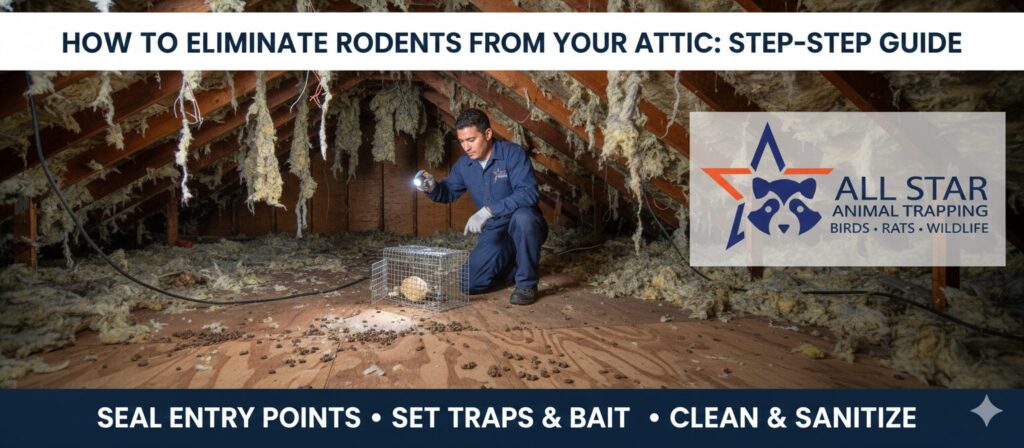
Dealing with a rodent problem in your attic can be stressful and damaging if ignored. Learning how to eliminate rodents from your attic ensures the safety of your home and family. Common signs like droppings, chewed insulation, and scratching sounds indicate that immediate action is needed. Effective rodent control in attic involves inspection, trapping, and cleaning to remove mice or rats completely.
Proper attic mice removal prevents structural damage and reduces health risks associated with contaminated insulation. Implementing rat infestation solutions and attic pest removal strategies helps maintain a safe, clean, and rodent-free environment. These methods also provide long-term rodent-proofing attic benefits.
Signs of Rodent Infestation in Your Attic
Rodents are experts at hiding, which makes early detection crucial. Common signs of infestation include droppings scattered across rafters, chewed insulation, and gnaw marks on wood or wires. Attics often have hidden nests made from paper, fabric, and insulation. Unusual scratching or scampering sounds, especially at night, can indicate active rodent movement. Musty or urine-like odors tend to linger, giving further evidence of rodent presence. Homes in Los Angeles are particularly vulnerable because older construction often leaves gaps around vents and chimneys that rodents can exploit.
Being observant helps homeowners prevent further damage. Rodents can chew wires, contaminate insulation, and spread bacteria to stored items. Tracking signs of rodent activity helps plan trap placement and preventive measures. Early action reduces repair costs and prevents infestations from spreading to other parts of the house. Attic mice removal relies on understanding rodent behavior and recognizing where they live, feed, and travel within the space.
Common Indicators to Watch For
Droppings, gnaw marks, and nests are clear signs of rodent activity. Scratching or scampering sounds often occur during quiet night hours. Unpleasant odors and urine stains near nesting areas indicate active infestation. These indicators help homeowners plan for effective rodent removal and control measures, ensuring that the attic is safe and clean.
Health Risks Associated With Rodents
Rodents carry multiple diseases that can pose serious threats to humans and pets. Hantavirus, Salmonella, and Leptospirosis can be transmitted through contact with droppings, urine, or contaminated nesting materials. In Los Angeles, older homes with attic infestations often report respiratory issues linked to bacteria and mold found in insulation. Children and elderly family members are especially vulnerable to these health risks. Understanding the dangers of attic rodents highlights why prompt action is essential for safe rodent control in attic.
In addition to disease transmission, rodents can contaminate insulation, stored items, and electrical wiring. They chew through food packaging, spreading bacteria and increasing infection risks. Damaged wires also raise the possibility of fire hazards. Homeowners must take proper precautions when inspecting or cleaning attics. Attic cleaning after rodents is a crucial step to ensure safety and hygiene. Proper removal and disinfection protect both property and family health.
Diseases and Contamination
Hantavirus, Salmonella, and Leptospirosis are commonly spread by attic rodents. Contaminated insulation and stored items increase the risk of infection. Thorough cleaning and proper disposal of contaminated materials are essential to prevent health issues and maintain a safe living environment.
Tools and Supplies Needed for Rodent Removal
Successful rodent elimination requires proper tools and safety equipment. Gloves, masks, and protective clothing reduce exposure to droppings and pathogens. Traps, including snap, electronic, and live traps, are essential for capturing rodents efficiently. Rodent repellents and sealing materials help prevent reinfestation. Using inspection tools such as flashlights and mirrors aids in locating nests and potential entry points. These supplies are necessary for effective rodent control in attic.
In Los Angeles, selecting tools appropriate for local rodent species increases the likelihood of successful removal. Having all supplies ready before starting reduces risk and ensures the process is efficient. DIY rodent extermination tips suggest preparing multiple trap types and repellents to target different rodent behaviors. Proper equipment and planning form the foundation of a safe and successful removal strategy.
Essential Equipment
Gloves, masks, and protective clothing prevent exposure to contaminated surfaces. Traps and repellents provide reliable methods for catching rodents and discouraging further activity. Proper placement and use of these tools maximize safety and effectiveness during attic pest removal.
Step-by-Step Rodent Removal Process
Effective rodent removal begins with identifying all entry points. Traps should be placed along walls, rafters, and corners where rodents travel most frequently. Bait stations can improve capture rates when set strategically. Checking traps regularly ensures humane and efficient removal. After capturing rodents, all affected areas should be cleaned and disinfected to eliminate contaminants.
Rodents reproduce quickly, so repeated inspections over several weeks are necessary. Seasonal factors can influence rodent activity, with colder months often increasing movement. Combining inspection, trapping, and cleaning provides a comprehensive solution. Following DIY rodent extermination tips ensures that the attic remains free from pests and maintains a safe environment for the household.
Effective Techniques to Eliminate Rodents
Inspect all entry points thoroughly to prevent reinfestation. Place traps and bait stations strategically for maximum effectiveness. Clean and disinfect the attic after removal to eliminate residual bacteria and odors, ensuring that rodents do not return.
Sealing Entry Points to Prevent Reinfestation
Sealing gaps and openings is essential for long-term rodent control. Steel mesh, caulk, and weatherstripping can secure vents, chimneys, and roof edges. Even small cracks can allow rodents to enter, so thorough inspection is necessary. Maintaining proper ventilation prevents moisture buildup, which can lead to mold and structural damage. How to seal attic to keep rodents out is an essential step in comprehensive rodent-proofing attic strategies.
Seasonal changes in Los Angeles can cause roof gaps to expand, creating new entry points. Regular inspections help homeowners catch these vulnerabilities early. Proper sealing complements removal efforts and reduces the risk of recurring infestations, keeping the attic secure and hygienic.
How to Secure Your Attic
Use steel mesh, caulk, or weatherstripping to close gaps. Ensure that vents, chimneys, and other openings are completely sealed. Proper sealing prevents rodents from returning and provides long-term protection for the attic.
Natural and DIY Rodent Deterrents
Natural deterrents can provide additional protection against rodents. Peppermint oil, mothballs, and ultrasonic devices are commonly used to repel rodents. These methods require frequent application and are most effective when combined with trapping and sealing. Homeowners seeking sustainable methods can integrate natural remedies to repel rodents into broader rodent prevention strategies.
DIY solutions should complement, not replace, comprehensive removal. Rodent behavior, climate, and attic structure affect results. Combining DIY rodent extermination tips with preventive measures increases the chances of long-term success and keeps rodents from returning.
Repellents and Home Remedies
Peppermint oil, mothballs, and ultrasonic devices act as natural deterrents for rodents. Proper application and strategic placement enhance their effectiveness as part of an overall rat infestation solutions plan.
When to Call a Professional Exterminator
Severe infestations often require professional help. Exterminators offer safe chemical treatments, advanced trapping, and expertise in preventing reinfestation. Attempting removal alone can be dangerous and less effective, especially in large or heavily contaminated attics. When to hire a professional exterminator depends on infestation size, household risk, and structural complexity.
Professional exterminators in Los Angeles understand local rodent species and seasonal behaviors. Their experience ensures that removal is fast, thorough, and safe. Using professionals often saves homeowners time, prevents property damage, and provides peace of mind compared to DIY-only methods.
Signs You Need Expert Help
Persistent or severe infestations indicate the need for professional intervention. Improper handling of chemicals or traps can be hazardous, making expert guidance essential for safe and effective attic mice removal.
Long-Term Prevention Strategies
Maintaining a rodent-free attic requires ongoing attention. Regular inspections, proper food storage, and insulation maintenance are critical. Removing debris and trimming tree branches near the roof reduces hiding spots for rodents. Combining these strategies with traps and sealing provides a comprehensive defense against future infestations.
Seasonal monitoring helps catch early signs before they develop into serious problems. Proper attic ventilation, structural repairs, and consistent cleaning complement preventive measures. Following these strategies ensures that homes remain protected from rodent damage and health risks over time.
Maintain a Rodent-Free Attic
Frequent inspections, safe food storage, and well-maintained insulation reduce the risk of rodent activity. Removing debris and trimming nearby trees minimizes access points and nesting sites, helping maintain a safe, hygienic attic environment.
Costs and Considerations for Rodent Removal
DIY rodent removal is cost-effective but may require repeated effort and time. Professional extermination has higher upfront costs but often guarantees faster and safer results. Costs in Los Angeles vary depending on trap types, repellents, and the extent of contamination. Evaluating both DIY and professional approaches allows homeowners to choose the solution that balances cost with effectiveness.
Comparing service packages shows differences in cleaning thoroughness, follow-up visits, and long-term prevention strategies. Homeowners should consider safety, time, and potential property damage when deciding how to address rodent infestations.
Budgeting for DIY vs Professional Services
DIY methods are less expensive but often require more effort and repeated applications. Professional extermination ensures comprehensive removal and long-term prevention, which may justify the higher initial cost for many homeowners.
Top Strategies for Rodent-Free Attics
- Inspect your attic regularly for droppings, nests, and gnaw marks.
- Seal all gaps, vents, chimneys, and roof edges to prevent entry.
- Use a combination of traps, including snap, live, and electronic types.
- Apply natural deterrents like peppermint oil, ultrasonic devices, or mothballs.
- Maintain clean insulation and store food in sealed containers.
- Trim trees and remove debris near the roof to reduce hiding spots.
- Monitor traps and entry points consistently for early detection.
- Call a professional exterminator for severe or persistent infestations.
- Disinfect all affected areas after rodent removal to prevent disease.
- Combine DIY methods with long-term preventive strategies for lasting results.
Table: Comparison of Rodent Removal Methods
| Method | Approach | Effectiveness | Cost | Safety |
| DIY Traps | Snap, live, electronic | Moderate | Low | Medium |
| Natural Deterrents | Peppermint, ultrasonic | Low to Moderate | Low | High |
| Professional Exterminators | Chemical & mechanical | High | Medium to High | High |
| Sealing & Prevention | Steel mesh, caulk | High | Medium | High |
Conclusion
Eliminating rodents from the attic requires a combination of inspection, removal, and long-term prevention. Attic mice removal, rat infestation solutions, and humane rodent traps all contribute to creating a safe and healthy environment. Understanding the health risks of attic rodents and following effective rodent removal methods ensures the home remains protected. Combining DIY approaches with professional guidance, sealing, and natural deterrents offers the best chance for a rodent-free attic. With ongoing maintenance, Los Angeles homeowners can enjoy a secure, hygienic, and peaceful living space free from attic pests.
FAQs
What are the first signs of rodents in an attic?
Droppings, gnaw marks, shredded insulation, and scratching sounds are common signs. A musty or urine-like odor often indicates active rodents.
How quickly do rodents reproduce in the attic?
Mice can breed every 3 weeks, while rats produce fewer but larger litters. Rapid reproduction makes early removal essential.
Are DIY traps effective for attic rodents?
Yes, snap, live, and electronic traps work when placed correctly. Combining them with sealing entry points improves results.
Can rodents carry diseases in the attic?
Yes, rodents can spread Hantavirus, Salmonella, and Leptospirosis. Contaminated insulation and droppings pose health risks to humans and pets.
When should I hire a professional exterminator?
Call a professional for severe infestations or if rodents persist despite DIY methods. Professionals handle chemicals and large infestations safely.
What natural remedies can repel attic rodents?
Peppermint oil, mothballs, and ultrasonic devices can deter rodents. These methods work best when combined with traps and sealing gaps.
How do I seal my attic to prevent rodents?
Use steel mesh, caulk, or weatherstripping to close vents, gaps, and roof edges. Ensure all potential entry points are properly secured.
Is attic cleaning necessary after rodent removal?
Yes, cleaning removes droppings, urine, and contaminated insulation. Disinfection prevents disease and discourages reinfestation.
How can I prevent rodents long-term in my attic?
Regular inspections, proper insulation maintenance, trimming trees, and removing debris reduce hiding spots. Consistent monitoring is key to prevention.
Do rodents prefer certain attic conditions?
Rodents seek warmth, food, and shelter. Cluttered, insulated, and poorly sealed attics provide ideal nesting areas.
Humane Wildlife Removal You Can Trust
When nuisance wildlife becomes a problem, rely on All Star Animal Trapping for professional and humane animal removal services. We safely remove raccoons, skunks, squirrels, rodents, and more — protecting your home and family the right way.