Raccoons are clever, nocturnal creatures known for seeking shelter in quiet, safe spaces, and your attic can often become their target. They are particularly drawn to attics because these areas provide warmth, protection, and a place to raise their young. Ignoring early signs of raccoon activity can lead to structural damage, health risks, and costly repairs.
Understanding how to prevent raccoons from entering your attic is essential for maintaining a safe and hygienic home environment. Prevention strategies involve a combination of securing entry points, removing attractants, and adopting wildlife-proofing techniques. By proactively addressing potential vulnerabilities, homeowners can significantly reduce the likelihood of raccoon intrusions.
Why Raccoons Target Attics
Raccoons are naturally curious and opportunistic animals, and attics often provide the perfect sanctuary for them. They are skilled climbers and can easily access your roof through weak spots or unsecured openings. Attics offer shelter from predators and extreme weather conditions, making them an ideal nesting site.
Additionally, raccoons are attracted to attics because of potential food sources nearby. Pet food, garbage, or bird feeders can draw raccoons close to your home, increasing the chances of them exploring for additional shelter. Once raccoons find a suitable entry, they often return year after year, establishing a persistent problem if not addressed promptly.
Common Entry Points Raccoons Use
Raccoons can squeeze through surprisingly small openings, often as narrow as 4 inches. Common entry points include damaged roof vents, broken soffits, and loose shingles. Chimneys without caps and gaps in the fascia boards are also frequently exploited.
Roof Damage
Roof damage, such as holes or cracks, allowsraccoons to enter undetected. They can chew through weak materials to expand openings, worsening the damage over time.
Soffits and Eaves
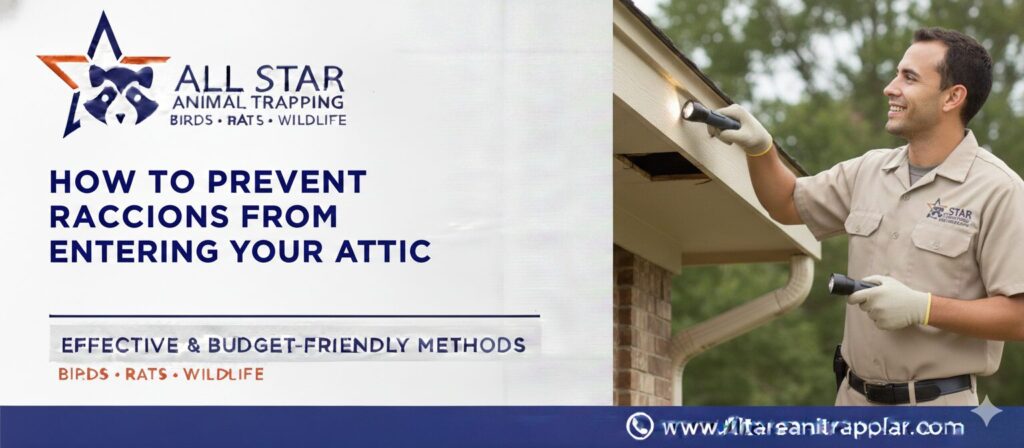
Loose or rotting soffits provide easy access to attics. Regular inspection and repair of these areas can prevent raccoons from establishing a pathway.
Chimneys and Vents
Uncapped chimneys or open vents are convenient entry points. Installing protective covers can effectively block raccoons from accessing your home.
Signs of Raccoon Activity in Your Attic
Early detection is crucial to preventing severe damage. Scratching noises at night, droppings, or displaced insulation can indicate raccoon presence. You may also notice raccoons outside your property during dusk or dawn, surveying potential entry points.
Noises
Scratching, thumping, or scampering sounds from your attic at night usually signal raccoons. These noises often intensify during the breeding season.
Droppings
Raccoon feces can carry diseases and parasites. Identifying raccoon droppings in or around your attic is a warning sign that action is needed.
Damaged Insulation
Raccoons tear insulation for nesting material, which reduces your home’s energy efficiency. Replacing damaged insulation promptly prevents further deterioration.
How to Secure Potential Entry Points
The first step in raccoon prevention is to secure all possible access points. Check for weak spots on your roof, chimney, and vents, and repair any damage promptly. Installing sturdy mesh screens over vents and holes is an effective deterrent.
Roof and Gutter Inspection
Inspect your roof and gutters regularly to identify broken shingles, gaps, or loose panels. Proper maintenance ensures raccoons cannot exploit these vulnerabilities.
Chimney Caps
Installing a heavy-duty chimney cap prevents raccoons from entering your home. Make sure the cap is tightly secured to avoid any gaps.
Attic Vent Covers
Mesh or metal vent covers help block raccoon access without affecting ventilation. Ensure these covers are firmly fastened to prevent tampering.
Removing Attractants That Draw Raccoons
Raccoons are highly motivated by food and shelter, so removing attractants is critical. Secure garbage cans with raccoon-proof lids and avoid leaving pet food outside. Eliminating standing water sources and cleaning up fallen fruit from trees also reduces appeal.
- Seal trash cans with tight-fitting lids.
- Store pet food indoors
- Pick up fallen fruits and vegetables promptly.
- Remove bird feeders at night
- Eliminate standing water sources.
Types of Barriers to Prevent Attic Access
Physical barriers are an effective way to prevent raccoons from entering your attic. Wire mesh fencing, chimney caps, and reinforced vents can all block access. Motion-activated lights and sprinklers can also discourage raccoons from approaching.
Wire Mesh
Wire mesh with small gaps can cover entry points and prevent raccoon intrusion. Ensure all edges are secured to avoid raccoons pulling the mesh away.
Motion-Activated Devices
Lights or sprinklers that activate on motion startle raccoons and deter them from lingering. This is especially effective near potential entry points.
Factors That Influence Raccoon Activity
Raccoon activity can be influenced by several environmental and seasonal factors. Availability of food, proximity to water, and presence of trees or overhanging branches increase the likelihood. Urban areas may see higher raccoon activity due to abundant food and shelter options.
Seasonal Considerations
Raccoons are more active in spring and early summer when raising young. Homeowners should inspect attics before this period to prevent infestations.
Urban vs Rural Areas
Urban areas with easy access to garbage and shelter attract raccoons more frequently. Rural properties may see fewer raccoons, but wooded surroundings increase the risk.
What to Do If a Raccoon Is Already Inside
If a raccoon has already entered your attic, do not attempt direct contact. They can be aggressive and carry diseases. Contact a professional wildlife removal service to safely remove the animal.
- Avoid approaching the raccoon directly.
- Close off the room and limit access to family and pets.
- Do not attempt DIY traps without proper knowledge.
- Call a licensed wildlife removal expert.
- Document entry points and damages for repairs
Humane Raccoon Deterrents
Humane deterrents focus on discouraging raccoons without harming them. Noise devices, predator scents, and motion-sensitive sprinklers can help. These measures, combined with securing entry points, offer long-term solutions.
Predator Urine
Spraying predator urine near entry points discourages raccoons. The scent creates a natural fear response, prompting them to seek shelter elsewhere.
Ultrasonic Repellents
Ultrasonic devices emit high-frequency sounds that disturb raccoons. They are non-toxic and effective for short-term deterrence.
Inspection and Maintenance Tips
Regular inspection and maintenance are critical in keeping raccoons away. Check your attic for new damage, secure vents, and remove debris from roofs. Seasonal inspections, especially before spring and fall, ensure your home remains raccoon-free.
- Inspect roof shingles and gutters.
- Check vents and chimney caps.
- Repair damaged soffits immediately.
- Remove branches overhanging the roof.
- Trim vegetation near the home.
Conclusion
Preventing raccoons from entering your attic requires a combination of vigilance, structural maintenance, and deterrent measures. By identifying potential entry points and eliminating attractants, homeowners can reduce the risk of infestation.
Regular inspection, prompt repairs, and humane deterrent strategies ensure your attic remains a safe and secure space. Consistently applying these methods not only protects your home from damage but also keeps raccoons from becoming a recurring problem. By staying proactive, you maintain peace of mind and a wildlife-free attic.
FAQs
1. Can raccoons damage the electrical wiring in my attic?
Yes, raccoons can chew on wires, potentially causing fire hazards. Regular inspections help prevent this risk.
2. Are raccoons dangerous to pets?
Raccoons may attack small pets if threatened. Keeping pets away from raccoon activity areas is advised.
3. How do I know if a raccoon has babies in my attic?
You may hear higher levels of noise and observe more droppings. Signs of nesting material also indicate the presence of young.
4. Can raccoons climb down chimneys?
Yes, raccoons can climb down chimneys if uncapped. Installing chimney caps prevents this access.
5. Will sealing vents alone prevent raccoons?
Sealing vents helps, but it must be combined with removing food attractants and other measures.
6. Are ultrasonic repellents safe for humans?
Yes, ultrasonic devices are generally safe and non-toxic for humans and pets.
7. How often should I inspect my attic for raccoons?
Inspect at least twice a year, ideally before spring and fall. This ensures early detection.
8. Can raccoons return after removal?
Yes, raccoons may return if entry points remain accessible. Continuous maintenance is essential.
Humane Wildlife Removal You Can Trust
When nuisance wildlife becomes a problem, rely on All Star Animal Trapping for professional and humane animal removal services. We safely remove raccoons, skunks, squirrels, rodents, and more — protecting your home and family the right way.