Squirrels may look adorable while hopping in trees, but when they enter your home, attic, or shed, they can cause significant damage. From chewing wires and insulation to nesting in walls, these small animals create safety and financial risks. Understanding how to remove squirrels humanely ensures you protect your property while keeping wildlife safe.
Timely and responsible action prevents further damage and makes removal easier. Combining ethical techniques, prevention, and repairs allows homeowners to address the problem effectively. Learning how to remove squirrels humanely helps maintain long-term safety, peace of mind, and environmental responsibility.
How Can You Remove Squirrels Humanely from Your Home?
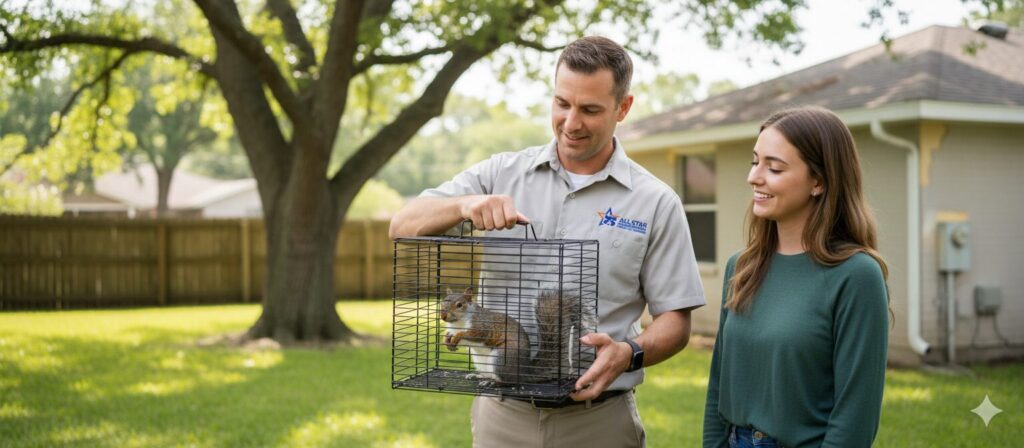
Removing squirrels humanely starts with non-lethal strategies that safely capture and relocate the animals. Live traps, one-way exit doors, and exclusion techniques are the foundation of effective humane removal.
Proper planning is crucial. Homeowners must identify entry points, nesting areas, and potential hazards. By using humane methods, you protect both your home and the squirrels, ensuring minimal stress and ethical handling.
Assessing Your Home for Squirrel Activity
The first step is to inspect your attic, walls, and roof. Look for signs such as scratching noises, gnaw marks, and droppings. Understanding where squirrels are entering and nesting helps in placing traps and exclusion devices effectively.
Choosing the Right Removal Method
Different situations require different approaches. Single squirrels may be captured with DIY live traps, while larger infestations often need professional intervention. Selecting the correct method improves efficiency and maintains humane standards.
What Are the Signs You Need to Remove Squirrels Humanely?
Early detection is key to preventing extensive damage. Scratching or rustling sounds in the attic, chewed wiring, and visible droppings are common indicators. Recognizing these signs ensures that humane removal is initiated promptly.
Ignoring early signs allows squirrels to multiply and worsen property damage. Observing behavior patterns and inspecting common entry points helps plan humane and effective removal.
Auditory Signs of Infestation
Squirrels are often active during early morning and late evening. Scratching or rustling noises inside walls or ceilings indicate nesting activity. Detecting these sounds early helps homeowners respond quickly.
Physical Evidence
Chewed wood, gnawed vents, and shredded insulation are typical signs. Droppings near attics, vents, or windows confirm active infestation. Early identification of these physical signs allows for targeted humane removal.
How Do Live Traps Help in Humane Squirrel Removal?
Live traps are essential tools for safe capture. They allow squirrels to enter but prevent exit, keeping the animals unharmed. Proper placement, baiting, and monitoring ensure effectiveness.
Checking traps frequently reduces stress and prevents injury to the squirrels. Once captured, relocation should follow local wildlife regulations for ethical and legal handling.
Selecting Appropriate Traps
Different traps suit different settings, such as attic or yard squirrels. Enclosed traps protect squirrels from predators and environmental exposure. Selecting the right trap increases success and maintains humane standards.
Effective Baiting Techniques
Squirrels are attracted to nuts, seeds, and fruits. Bait should be placed in areas of active movement. Correct baiting ensures faster capture and reduces stress on the animals.
What Should You Do After Removing Squirrels Humanely?
Post-removal steps are critical to prevent re-infestation. Repairing structural damage, sealing entry points, and applying deterrents protect your home from future activity.
Monitoring your home after removal ensures that no new squirrels enter. Professional inspections can identify hidden damage or potential access points for long-term prevention.
Repairing Damaged Areas
Insulation, wiring, and wooden structures often need replacement or reinforcement. Prompt repairs prevent hazards and minimize repair costs. Restoring damaged areas also discourages future nesting.
Sealing and Exclusion
One-way doors, mesh barriers, and metal guards prevent squirrels from re-entering. Proper sealing of vents, chimneys, and roof gaps maintains long-term protection. Regular inspections ensure continued effectiveness.
How Can You Prevent Squirrels from Returning Humanely?
Preventive measures are vital for long-term success. Exclusion techniques, yard maintenance, and natural deterrents reduce the likelihood of future infestations.
Homeowners should combine multiple strategies to maintain a secure and ethical approach. Prevention protects both the property and the animals while ensuring humane practices.
Yard and Tree Maintenance
Trimming branches near the roof removes easy access points. Removing food sources reduces attraction. Keeping trees and yards maintained discourages nesting and protects property.
Long-Term Exclusion Techniques
Durable sealing materials, mesh barriers, and one-way doors prevent re-entry. Inspection and maintenance of these barriers ensure sustained protection. Proper exclusion reduces stress on squirrels and homeowners.
What Are the Safe Deterrents for Humane Squirrel Removal?
Deterrents help discourage squirrels from entering without causing harm. Peppermint oil, predator scents, ultrasonic devices, and motion-activated sprinklers are effective tools.
Using deterrents alongside traps and exclusion techniques improves overall results. These strategies are cost-effective, environmentally safe, and fully compatible with humane removal practices.
Placement and Frequency of Deterrents
Position deterrents near entry points, vents, and attics for best results. Refresh scents and adjust devices regularly to maintain effectiveness. Consistent use supports long-term prevention.
Combining Deterrents with Other Methods
Deterrents work best alongside live traps, repairs, and exclusion. Layered strategies reduce stress on squirrels while protecting property. Professionals often recommend combining methods for full coverage.
If Squirrels Cause Electrical Damage, How Should You Remove Them Humanely?
Squirrels chewing on wiring pose a serious fire hazard. Humane removal combined with repair is essential in such cases. Live trapping, careful exclusion, and professional intervention ensure safety.
Repairing electrical damage promptly prevents accidents. Following humane protocols ensures animals are not harmed while protecting your home.
Identifying Damaged Wiring
Chewed or exposed wires, sparks, or flickering lights indicate electrical issues. Inspecting all affected areas prevents hazards and guides safe removal. Early identification allows both repair and humane relocation.
Safety During Removal
Use protective gear and turn off power where needed. Professionals handle complex wiring issues while maintaining humane standards. Safe removal prevents both animal injury and property damage.
How Do Seasonal Changes Affect Humane Squirrel Removal?
Squirrel activity varies with the seasons, affecting removal strategies. Spring and summer require caution due to breeding, while fall and winter involve squirrels seeking warmth indoors.
Humane removal must consider these seasonal behaviors to avoid harm. Proper timing improves capture success and ensures ethical handling.
Spring and Summer Strategies
During breeding, nests may contain young squirrels. Removal should avoid disturbing juveniles or separating them from their mothers. Humane methods prioritize animal welfare while maintaining property safety.
Fall and Winter Strategies
Squirrels seek warm spaces, making attics attractive. Quick exclusion and repairs prevent prolonged occupancy. Humane removal during these months ensures safety for animals and homeowners.
What DIY Methods Work for Removing Squirrels Humanely?
DIY approaches can be highly effective for minor infestations. Live traps, one-way doors, exclusion barriers, and natural deterrents allow homeowners to manage squirrels ethically.
Safety precautions, including gloves and protective clothing, are essential. Frequent monitoring of traps reduces stress and ensures humane outcomes.
Combining DIY Techniques
Using traps with exclusion and deterrents maximizes effectiveness. Inspecting the home regularly ensures no new squirrels enter. Layered approaches balance cost, efficiency, and animal welfare.
Low-Cost DIY Tools
Peppermint oil, homemade deterrents, and simple mesh barriers are inexpensive options. These methods protect property while adhering to humane practices. Proper implementation ensures long-term success.
If You Encounter a Large Infestation, How Should You Remove Squirrels Humanely Quickly?
Large infestations require urgent and strategic action. Professional live trapping, relocation, and rapid repairs are the most effective solutions.
Prompt action prevents structural damage, fire hazards, and contamination. Combining professional and DIY measures ensures fast, humane removal and long-term prevention.
Emergency Response Steps
Identify active nests, set multiple traps, and install temporary exclusion barriers. Repair damage quickly and apply deterrents to prevent recurrence. Following these steps ensures humane and efficient management.
Long-Term Monitoring
After removal, continue inspections and maintain exclusion barriers. Adjust deterrents and check traps regularly. Long-term monitoring prevents re-infestation and keeps both home and wildlife safe.
Checklist for Humane Squirrel Removal
- Inspect all possible entry points in the attic, walls, and roof.
- Use live traps or one-way doors for ethical capture.
- Seal and repair all damaged insulation, wiring, and wooden structures.
- Apply deterrents and maintain yard/tree management.
- Schedule follow-up inspections for prevention and long-term success.
Conclusion
Knowing how to remove squirrels humanely enables homeowners to address infestations effectively while respecting wildlife. Combining traps, exclusion, repairs, and prevention ensures safety for both property and animals. Timely action reduces risks, repair costs, and stress for the squirrels.
Humane removal strategies, when combined with seasonal awareness and professional guidance, provide long-term protection. By implementing ethical techniques, homeowners can maintain a safe, damage-free home while practicing responsible wildlife management.
FAQs
1. Can I remove squirrels without harming them?
Yes, live traps and one-way doors allow safe, ethical removal.
2. Are humane removal methods expensive?
Affordable options exist, especially when combining DIY and professional support.
3. How do I detect a squirrel infestation?
Look for droppings, gnaw marks, and scratching noises in attics.
4. Can deterrents prevent squirrels completely?
Deterrents are most effective when combined with exclusion and repair.
5. Is relocation stressful for squirrels?
Proper relocation minimizes stress and ensures survival.
6. How long does humane removal take?
Depending on the infestation size, it can take several days to a week.
7. Can young squirrels be relocated safely?
Yes, humane methods avoid separating young from mothers.
8. Do humane methods prevent future infestations?
Sealing, repairs, and deterrents reduce the chance of recurrence.
Humane Wildlife Removal You Can Trust
When nuisance wildlife becomes a problem, rely on All Star Animal Trapping for professional and humane animal removal services. We safely remove raccoons, skunks, squirrels, rodents, and more — protecting your home and family the right way.