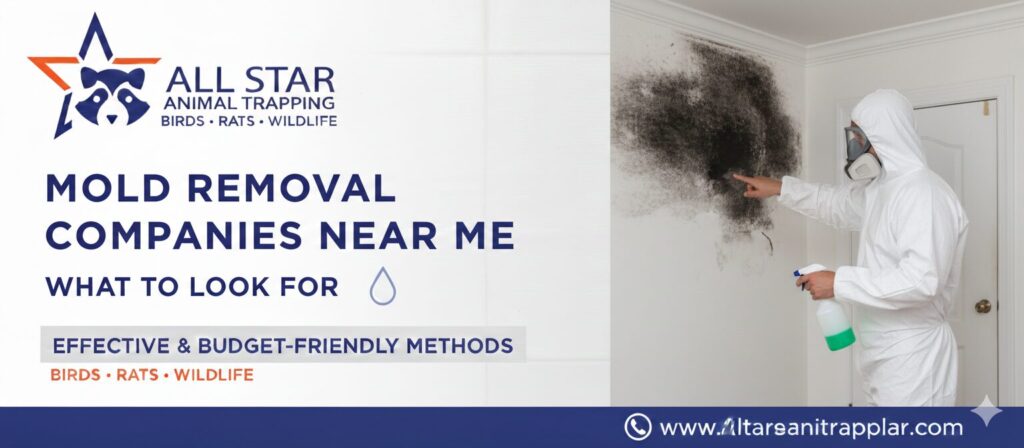
Finding the right Mold Removal Companies Near Me: What to Look For is crucial for protecting your home and family from the dangers of mold. Mold can spread silently, causing health risks of mold in homes and damaging walls, ceilings, and insulation. Professional services offer mold inspection services to identify hidden infestations and apply safe mold removal methods that prevent recurrence.
Experienced contractors provide residential mold removal using effective containment and cleanup techniques. Choosing certified experts ensures proper assessment, remediation, and guidance for home mold prevention, keeping indoor air quality high and your property safe from long-term damage.
Why Professional Mold Removal is Important
Mold can cause significant health problems, including respiratory issues, allergies, and chronic illnesses, particularly in homes with water damage. Exposure to mold spores can trigger asthma attacks or worsen pre-existing conditions. Professional mold removal addresses both visible mold and hidden sources, ensuring thorough eradication. Experts use advanced tools to detect moisture behind walls, under flooring, or in ceiling cavities. They remove contaminated materials and treat affected areas with safe techniques to prevent regrowth, which is often impossible to achieve through DIY methods.
Beyond health risks, mold can damage structural elements in a home. Walls, ceilings, and wooden frameworks are particularly vulnerable, and prolonged exposure to moisture and mold can weaken these components. Professionals provide comprehensive inspections and remediation plans, addressing not just the mold itself but also the underlying causes. This approach prevents further structural deterioration and preserves the value and safety of your home. Homes in humid regions, including Los Angeles, are particularly at risk, making professional intervention essential.
Risks of DIY Mold Removal
Removing mold yourself can be risky and often ineffective. Health risks include breathing in spores that trigger allergic reactions, skin irritation, and other respiratory problems. DIY methods rarely eliminate all hidden spores, which can spread to clean areas and worsen the problem over time.
Structural damage is another concern. Removing mold improperly can compromise walls, ceilings, and flooring, allowing mold to return quickly. DIY approaches lack containment, proper cleaning, and preventive measures that professionals provide. Homeowners attempting DIY remediation cannot rely on a mold removal guarantee or warranty, making professional services the safer and more reliable option.
How to Find Reliable Mold Removal Companies Near You
Finding a trustworthy mold removal company requires careful research and verification. Checking online reviews, ratings, and testimonials gives insight into the company’s track record. Asking friends, neighbors, and family for recommendations provides personal experience and confidence in the choice. Local business directories and licensing boards help confirm that contractors are certified and legally authorized to perform mold remediation in your area. In regions like Los Angeles, where humidity can worsen mold growth, selecting a reliable company is especially important to prevent recurring infestations.
Choosing the right company also means comparing services, costs, and processes. Reliable professionals will provide clear explanations of their remediation approach, including inspection methods, containment procedures, and post-removal prevention strategies. They answer questions about safety, equipment, and chemical treatments. Hiring trained experts ensures that every step, from inspection to post-removal cleaning, is performed professionally, protecting your home and family from long-term mold problems.
Research and Recommendations
Finding the right mold removal company begins with research. Online platforms such as Google, Yelp, and Angi provide ratings and feedback from previous clients. Personal referrals from friends or family reveal companies with proven results. Local business directories verify licensing and certification, ensuring compliance with regulations. Combining these methods allows homeowners to identify qualified companies capable of thorough and safe residential mold removal services.
Credentials and Certifications to Look For
Professional credentials are essential indicators of skill and reliability. IICRC certification demonstrates advanced training in mold assessment, testing, and remediation. State and local licenses confirm legal compliance, while insurance coverage protects homeowners from potential damages during the removal process. Certified contractors follow established protocols and industry standards, providing safe and effective mold removal.
Credentials also ensure that contractors offer detailed inspection reports, outlining findings, moisture levels, and step-by-step remediation plans. Such documentation helps homeowners understand the extent of the problem, projected costs, and preventive measures to maintain a mold-free home. Licensed and certified professionals ensure high-quality work, adherence to safety protocols, and long-lasting results.
Key Professional Standards
IICRC-certified professionals are trained in mold remediation and understand the health risks associated with mold exposure. State and local licenses ensure that contractors operate legally, and insurance coverage provides protection during remediation work. Adhering to these standards guarantees a professional and thorough mold cleanup process.
Mold Inspection Process
A detailed mold inspection is the foundation of effective remediation. Experts use tools like moisture meters, thermal cameras, and air quality monitors to detect mold hidden behind walls, ceilings, or under flooring. They identify all affected areas, including those not visible to the naked eye, and evaluate moisture sources contributing to mold growth. Inspection reports provide detailed findings, photos, and a step-by-step remediation plan to guide safe and comprehensive removal.
Addressing the source of moisture is critical for preventing mold recurrence. Water leaks, condensation, and high humidity can all contribute to mold regrowth. Professionals use inspection findings to implement home mold preventionstrategies that reduce the risk of future infestations. Homes with black mold infestations require special attention, as this type can pose significant health risks if not treated properly.
What to Expect During an Inspection
During the inspection, technicians perform visual assessments and measure moisture levels. Air quality testing identifies airborne spores that can affect family members. Written reports detail the extent of contamination, necessary remediation steps, and estimated costs. These assessments form the basis for safe and effective mold remediation, ensuring complete and long-term results.
Techniques and Methods Used in Mold Removal
Professional mold removal involves multiple methods to eliminate mold and prevent future outbreaks. Containment techniques prevent spores from spreading during cleanup. HEPA filtration removes airborne mold particles, while chemical or natural treatments eradicate spores from affected surfaces. Each approach is tailored to the type of mold, the affected material, and the severity of the infestation.
Modern methods also include removing contaminated materials such as drywall, insulation, or carpeting. Safe cleaning solutions disinfect surfaces without harming residents or pets. Eco-friendly alternatives may be used for less severe infestations, combining effectiveness with environmental safety. These comprehensive approaches ensure a permanent solution for mold problems while improving indoor air quality.
Modern Mold Removal Approaches
Containment measures isolate affected areas, preventing spores from spreading. HEPA filtration captures airborne mold particles, and safe chemical treatments eliminate spores without compromising indoor safety. These methods provide thorough remediation and long-term protection, allowing homeowners to maintain a healthy living environment after mold removal.
Cost Factors for Mold Removal Services
The cost of mold removal depends on the size of the affected area, the severity of the infestation, and the methods used. Larger areas require more labor, equipment, and treatment materials, which increases overall costs. Infestations involving black mold or severe contamination also demand additional safety measures, raising expenses.
Other cost considerations include inspection fees, moisture detection tools, and post-removal preventive measures. Understanding the cost of professional mold removal helps homeowners plan their budgets, compare estimates, and choose a reliable service provider. Transparent pricing ensures that there are no unexpected charges during remediation.
What Determines the Price
The size of the contaminated area, the severity of the infestation, and the equipment or chemicals used directly impact the final cost. Larger spaces and high-risk mold types require advanced tools and professional expertise, increasing expenses. Proper budgeting allows homeowners to receive comprehensive services without sacrificing safety or quality.
Questions to Ask Before Hiring
Before hiring a mold removal company, homeowners should inquire about experience, previous projects, and safety measures. Understanding timelines, guarantees, and warranty options helps plan remediation and prevents unexpected issues. A reputable company will answer all questions transparently and provide confidence in their services.
Contractors should explain their methods for removal, containment, and post-cleanup prevention. Checking credentials, insurance coverage, and past client reviews ensures that homeowners select a company capable of delivering safe and effective results. Licensed mold contractors follow industry standards, providing reliable and long-lasting remediation.
Essential Checklist for Homeowners
Experience, timelines, and warranty options are critical factors when selecting a mold removal company. Contractors should provide proof of past work and explain remediation processes thoroughly. Transparent communication ensures that homeowners understand the steps involved and can trust the company to deliver safe and complete results.
Prevention Tips After Mold Removal
Preventing mold after remediation is vital to maintain a safe home. Proper ventilation, dehumidifiers, and regular inspections reduce the likelihood of mold regrowth. Sealing leaks, controlling humidity, and using mold-resistant paints further protect the home from moisture-related problems.
Consistent preventive practices help maintain indoor air quality and prevent structural damage. Combining professional remediation with ongoing maintenance ensures long-term protection. Homeowners who follow these strategies can enjoy a clean, safe, and healthy living environment while minimizing the need for future mold interventions.
Keep Your Home Mold-Free
Ventilation and humidity control are essential for preventing mold. Regular inspections help identify hidden problems before they spread. Implementing these preventive measures ensures that homes remain safe, healthy, and mold-free over time.
Signs You Need a Mold Removal Company Immediately
Early detection can save money and prevent health risks. Visible mold, persistent musty odors, or unexplained health symptoms indicate the need for professional remediation. Acting quickly reduces structural damage and prevents mold from spreading to other areas.
Warning Indicators
Visible mold on walls, ceilings, or behind furniture signals an infestation. Musty odors often accompany hidden mold. Addressing these signs immediately ensures effective remediation and protects the health and safety of residents.
Essential Tips for Choosing the Best Mold Removal Companies Near Me
When selecting a mold removal company, it’s important to focus on credibility, experience, and safety. The right choice ensures complete mold eradication, protects your health, and prevents future infestations. Consider these key factors to make a confident decision:
- Verify certifications like IICRC and state licenses to ensure professional expertise.
- Check insurance coverage to protect your home from accidental damage.
- Look for companies with proven experience in residential mold removal.
- Request detailed inspection reports outlining affected areas and remediation plans.
- Confirm the use of safe mold removal methods and containment procedures.
- Ask about warranties or guarantees for long-term protection.
- Research online reviews and personal recommendations for credibility.
- Compare pricing and services to ensure transparent and fair costs.
- Confirm they follow proper mold containment and cleanup process protocols.
Table of Mold Removal Services
| Service Category | Key Elements | Benefits |
| Inspection | Visual assessment, moisture testing, air quality analysis | Accurate detection and remediation plan |
| Removal | HEPA filtration, chemical or natural treatments, material removal | Complete mold eradication and containment |
| Prevention | Ventilation, dehumidifiers, routine inspections | Long-term protection and mold-free environment |
| Cost | Area size, infestation severity, equipment used | Budget transparency and service planning |
| Certification | IICRC, licenses, insurance | Professional and reliable remediation |
Conclusion
Choosing the right mold removal company ensures that mold is eliminated safely and effectively. Professional mold remediation protects both the home and family, providing long-term solutions that DIY methods cannot achieve. Certified experts conduct inspections, remove contaminated materials, and implement preventive measures to maintain a safe and healthy environment. Homeowners who follow these guidelines can enjoy improved indoor air quality, reduced health risks, and lasting protection against future mold infestations. By selecting experienced, licensed contractors, families can ensure comprehensive mold cleanup and maintain the structural integrity and safety of their homes.
FAQs
1. What are the signs I need a mold removal company immediately?
Visible mold, musty odors, or unexplained health symptoms are clear indicators. Acting quickly prevents further damage and health risks.
2. Can I remove mold myself at home?
DIY removal often leaves hidden spores behind and may spread contamination. Professional services are safer and more effective.
3. How much does professional mold removal cost?
Costs vary depending on the size, severity of the infestation, and methods used. Larger areas and black mold typically cost more.
4. What certifications should a mold removal company have?
Look for IICRC certification, state or local licenses, and proper insurance. Certified professionals ensure safe and thorough remediation.
5. How do mold experts detect hidden mold?
Professionals use moisture meters, thermal cameras, and air quality testing to locate mold in walls, ceilings, and floors.
6. Are mold removal methods safe for my family and pets?
Yes, licensed contractors use safe chemical or natural treatments and HEPA filtration to protect residents during cleanup.
7. How long does mold removal take?
Duration depends on infestation size and severity. Smaller areas may take a day, while extensive cases may require several days.
8. Can mold come back after removal?
Mold can recur if moisture sources are not addressed. Proper ventilation, dehumidifiers, and inspections help prevent regrowth.
9. Do mold removal companies provide warranties?
Reputable companies often provide a mold removal guarantee or warranty. This ensures long-term protection and accountability.
10. Is mold dangerous to health?
Yes, mold exposure can trigger allergies, respiratory issues, and chronic health problems. Professional removal minimizes these risks effectively.
Humane Wildlife Removal You Can Trust
When nuisance wildlife becomes a problem, rely on All Star Animal Trapping for professional and humane animal removal services. We safely remove raccoons, skunks, squirrels, rodents, and more — protecting your home and family the right way.