
Raccoons are clever, adaptable animals that often see residential yards as easy sources of food, water, and shelter. When left unchecked, they can dig up lawns, damage gardens, tip over trash cans, and even find their way into attics or sheds. Learning how to prevent raccoons from entering yard areas is essential for protecting your property and maintaining a clean, safe outdoor space.
Homeowners frequently underestimate how persistent raccoons can be once they feel comfortable in a yard. Simple mistakes like leaving pet food outside or unsecured garbage can quickly turn your lawn into a raccoon hotspot. By understanding raccoon behavior and using proven prevention strategies, you can reduce the chances of repeated visits and long-term damage.
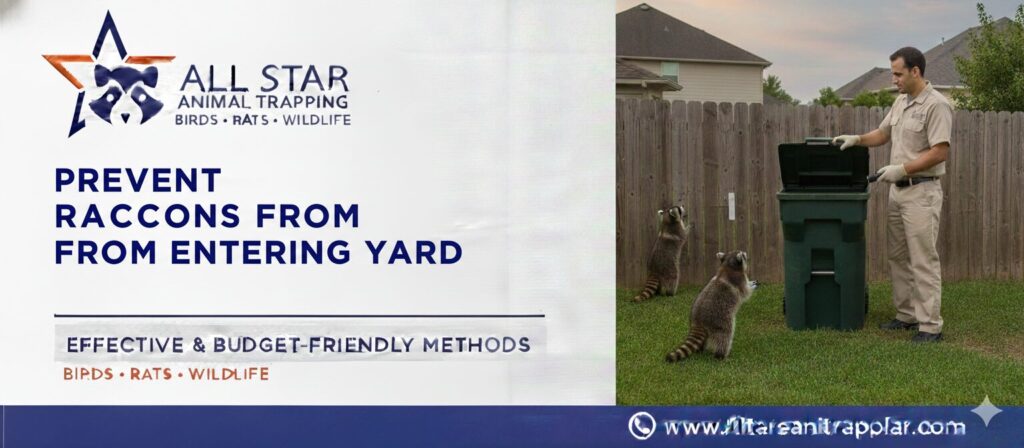
Understanding Raccoon Behavior in Residential Yards
Raccoons are primarily nocturnal, meaning they are most active at night when human activity is low. They rely heavily on their sense of smell and dexterous front paws to locate and access food sources. Once a raccoon successfully finds food in your yard, it is likely to return repeatedly.
These animals are also highly intelligent and adaptable, which makes them difficult to deter with a single method. They can remember locations of food and shelter for long periods and may even teach their young the same routes. To prevent raccoons from entering yard spaces effectively, it is important to understand why they are attracted in the first place.
Common Reasons Raccoons Enter Your Yard
Raccoons are not entering your yard randomly; they are responding to specific attractions. Identifying these reasons helps you eliminate the root causes instead of relying on temporary fixes.
Food availability is the most common reason raccoons visit residential areas. Open trash bins, fallen fruits, bird feeders, and pet food left outdoors are all major attractants. Water sources like ponds, birdbaths, or leaky hoses also make a yard more appealing.
Shelter opportunities are another strong motivator. Dense shrubs, woodpiles, decks, and sheds provide raccoons with hiding spots and nesting areas. A yard that offers both food and shelter is especially attractive and harder to protect if preventive steps are not taken early.
Secure Garbage and Food Sources Properly
One of the most effective ways to prevent raccoons from entering yard areas is to remove easy access to food. Raccoons have strong paws and problem-solving skills, so ordinary trash lids are often not enough.
Investing in raccoon-resistant garbage cans with locking lids can make a significant difference. These bins are designed to withstand tipping and prying, reducing the chances of scavenging. Trash should be placed outside only on collection day whenever possible.
Pet food should never be left outdoors overnight, even for a short time. If you feed pets outside, clean up all leftovers immediately and store food in sealed containers indoors. Compost bins should also be tightly secured to prevent raccoons from digging through food scraps.
Eliminate Shelter and Hiding Spots
Raccoons prefer yards that offer cover and protection from predators and the weather. Removing or reducing these shelter opportunities can discourage them from staying.
Trim back overgrown bushes and hedges, especially near fences and structures. Dense vegetation provides excellent hiding spots and nesting areas for raccoons. Keeping your landscaping neat reduces the sense of safety they feel.
Woodpiles, debris, and unused equipment should be stored neatly or elevated off the ground. Decks and sheds should be checked for openings, as raccoons can squeeze through surprisingly small gaps. Sealing these spaces helps prevent raccoons from entering yard environments long-term.
Install Fencing and Physical Barriers
Physical barriers are one of the most reliable raccoon deterrents when installed correctly. However, not all fencing is equally effective against raccoons.
Traditional fences may slow raccoons down, but often fail to stop them completely. Raccoons are excellent climbers and can easily scale standard wooden or chain-link fences. Adding a smooth metal sheet or roller to the top of the fence can prevent climbing.
Electric fencing is another highly effective option, especially for gardens and ponds. A low-voltage electric fence delivers a mild shock that deters raccoons without causing harm. When combined with proper maintenance, fencing can significantly reduce raccoon access to your yard.
Use Motion-Activated Deterrents
Technology-based deterrents can play a helpful role in raccoon prevention strategies. Motion-activated devices startle raccoons and make them feel unsafe in your yard.
Motion-Activated Lights
Bright lights that turn on suddenly can scare raccoons away, especially in darker areas of the yard. These lights disrupt their nocturnal behavior and reduce their comfort level.
Motion-Activated Sprinklers
Sprinklers that release a sudden burst of water are highly effective against raccoons. The unexpected movement and noise often scare them off immediately.
Ultrasonic Repellers
Ultrasonic devices emit high-frequency sounds that are unpleasant to raccoons. While results vary, they can be effective when used alongside other prevention methods.
Using multiple motion-activated deterrents together increases the chances of success and helps prevent raccoons from consistently entering yard spaces.
Protect Gardens, Lawns, and Plants
Gardens and lawns are common targets for raccoons, especially when they are searching for insects, fruits, or vegetables. Protecting these areas requires a combination of barriers and maintenance.
Raised garden beds with wire mesh underneath can prevent raccoons from digging for grubs. Netting or garden fabric can also protect fruits and vegetables from being eaten or damaged.
Regular lawn maintenance reduces the presence of insects and grubs that attract raccoons. Healthy, well-maintained grass is less appealing for digging and foraging.
Keep Water Sources Limited
Water is a key attraction for raccoons, especially during warmer months. Even small water sources can encourage frequent visits.
Birdbaths should be emptied at night or placed in areas that are difficult for raccoons to access. Decorative ponds may require fencing or netting to prevent raccoons from fishing.
Fixing leaky outdoor faucets and hoses helps reduce standing water. By limiting water access, you make your yard less attractive and help prevent raccoons from entering your yard naturally.
Apply Natural Raccoon Repellents
Natural repellents can add an extra layer of protection when used correctly. While they may not work alone, they are useful as part of a broader prevention plan.
Strong-smelling substances like vinegar, ammonia, or garlic-based sprays can deter raccoons temporarily. These scents interfere with their sensitive sense of smell and make areas less appealing.
Commercial natural repellents made from predator urine or essential oils are also available. Reapplication is usually necessary, especially after rain, to maintain effectiveness.
Avoid Common Mistakes That Attract Raccoons
Many homeowners unknowingly create conditions that invite raccoons into their yards. Avoiding these mistakes is just as important as active prevention.
Leaving food scraps or unsecured trash outside overnight is a major error. Even small amounts of food can attract raccoons from long distances.
Another common mistake is ignoring minor damage or signs of raccoon activity. Early intervention is key to preventing a small issue from becoming a recurring problem.
Long-Term Yard Maintenance Strategies
Consistent maintenance is essential to keep raccoons away over time. Prevention is not a one-time effort but an ongoing process.
Regularly inspect your yard for new openings, fallen fruit, or water accumulation. Seasonal changes can create new attractants that need to be addressed quickly.
Combining multiple strategies, such as securing food, removing shelter, and using deterrents, provides the best results. A well-maintained yard sends a clear signal that it is not a suitable habitat for raccoons.
Signs Your Prevention Methods Are Working
Knowing whether your efforts are successful helps you adjust strategies as needed. Reduced signs of raccoon activity indicate progress.
Fewer overturned trash cans, less digging in the lawn, and a decrease in nighttime noises are positive signs. You may also notice fewer tracks or droppings around the yard.
Consistency is key, as raccoons may test your defenses periodically. Staying vigilant helps ensure long-term success in your efforts to prevent raccoons from entering yard spaces.
When to Consider Professional Wildlife Control
In some cases, raccoon problems persist despite preventive measures. Professional wildlife control services can help in these situations.
Experts can assess your property, identify vulnerabilities, and recommend targeted solutions. They also ensure humane and legal handling of raccoons if removal is necessary.
Professional guidance is especially useful for severe infestations or when raccoons have accessed structures like attics or crawl spaces.
Conclusion
Preventing raccoons from entering your yard requires a combination of awareness, consistency, and practical strategies. By understanding raccoon behavior and removing the attractions that draw them in, homeowners can significantly reduce unwanted visits. Simple steps like securing food sources, eliminating shelter, and using deterrents make a noticeable difference over time.
Long-term success depends on regular yard maintenance and avoiding common mistakes that encourage raccoon activity. No single method works perfectly on its own, but a layered approach provides strong protection. With the right measures in place, it is entirely possible to prevent raccoons from entering yard areas and enjoy a cleaner, safer outdoor space.
Frequently Asked Questions (FAQs)
1. Do raccoons return to the same yard repeatedly?
Yes, raccoons often return to yards where they previously found food or shelter. This is why consistent prevention is important.
2. Are raccoons dangerous to humans?
Raccoons are generally not aggressive but can become defensive if cornered. They may also carry diseases, making avoidance important.
3. Will removing one raccoon stop the problem?
Removing one raccoon does not guarantee that others will not come. Eliminating attractants is essential for long-term prevention.
4. Can raccoons climb walls and roofs?
Yes, raccoons are skilled climbers and can access roofs and upper levels. Securing entry points is critical.
5. Do raccoons dig under fences?
Raccoons can dig under fences if they sense food or shelter beyond them. Buried fencing can help prevent this.
6. Are raccoons active all year round?
Raccoons remain active year-round, though activity may decrease slightly in colder months.
7. Does noise scare raccoons away permanently?
Noise may scare raccoons temporarily, but they often adapt. Noise deterrents work best when combined with other methods.
8. Is it legal to trap raccoons yourself?
Laws vary by location, and some areas restrict trapping. It is important to check local wildlife regulations before taking action.
Humane Wildlife Removal You Can Trust
When nuisance wildlife becomes a problem, rely on All Star Animal Trapping for professional and humane animal removal services. We safely remove raccoons, skunks, squirrels, rodents, and more — protecting your home and family the right way.