
Opossums can become a serious nuisance when they invade homes, businesses, or commercial properties. Their scavenging behavior can lead to property damage, contaminated food, and potential health risks for humans and pets. Utilizing professional opossum trapping services ensures the safe and effective removal of these nocturnal animals while minimizing risk and protecting your property.
While DIY methods may work for minor encounters, professional services offer expertise, specialized equipment, and legal compliance for humane trapping. Understanding the scope, techniques, and benefits of professional trapping is essential for homeowners and business owners dealing with persistent opossum problems.
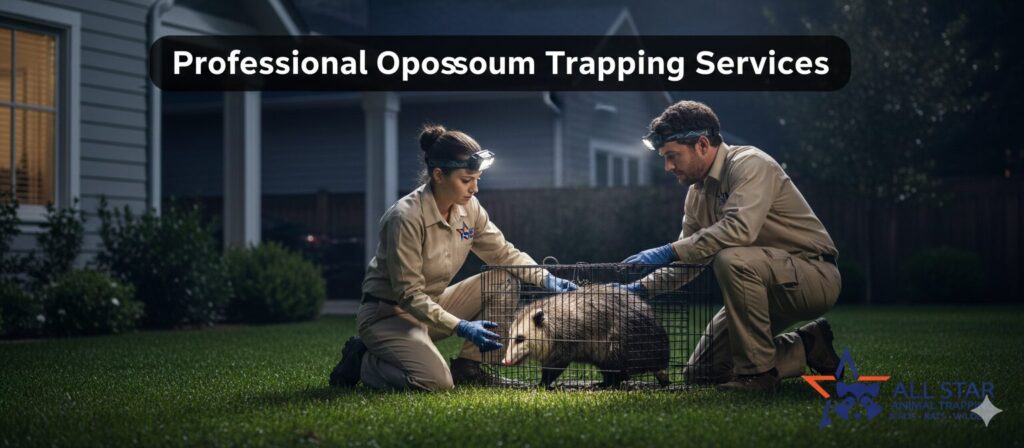
How Professional Opossum Trapping Works
Technicians use live cage traps to capture opossums safely and humanely, placing bait strategically along walls, near sheds, or in attics where nocturnal activity is detected. Monitoring traps regularly ensures minimal stress on the animals and allows for prompt relocation in compliance with local wildlife laws. Professionals also evaluate the property for potential vulnerabilities to prevent reinfestation.
Site Inspection
- Technicians inspect roofs, attics, decks, and crawlspaces for entry points.
- They check gardens and trash areas for signs of opossum activity.
- Assessment helps determine the number of traps and bait types needed.
Trap Placement Strategy
- Live traps are positioned in areas with maximum activity.
- Baits such as fruit, pet food, or eggs are used to attract opossums.
- Strategic placement increases capture success and ensures humane handling.
When to Use Professional Opossum Trapping
Knowing the right time to call professionals can save time, money, and prevent property damage.
- Persistent nocturnal noises in attics or walls.
- Scattered trash or damaged pet food containers.
- Multiple sightings around commercial or residential properties.
- Evidence of nesting, droppings, or structural damage.
Professional intervention is most effective when opossums are active, and access points are identified.
What to Expect from Professional Services
Professional teams deliver humane trapping, relocation according to regulations, and preventive measures like sealing entry points and recommending property modifications. They also provide ongoing monitoring to ensure the infestation does not recur. Services are tailored to the size of the property, the severity of the infestation, and whether it is a residential or commercial setting.
Quick Reference
- Comprehensive inspection of the property.
- Safe and humane capture of opossums.
- Relocation following local wildlife laws.
- Preventive advice for long-term protection.
- Follow-up monitoring to ensure results.
How Humane Traps Ensure Safety
Humane traps are the standard in professional services, focusing on the welfare of both humans and animals.
Trap Design
- Large live cage traps prevent injury to adult opossums.
- Sturdy construction avoids tipping or escaping.
- Properly sized traps reduce stress on captured animals.
Baiting Techniques
- Use of fruits, vegetables, pet food, or eggs.
- Rotation of baits increases capture success for cautious animals.
- Central placement ensures full trap engagement.
Regular Monitoring
- Professionals check traps daily to prevent prolonged confinement.
- Timely release reduces stress and ensures compliance with legal standards.
- Monitoring also prevents the attraction of other pests.
How to Prepare Your Property for Trapping
Homeowners should remove attractants like pet food, fallen fruit, or unsecured trash. Clear debris, brush piles, and cluttered areas around the home or commercial property to reduce shelter opportunities. Ensuring easy access to attics, sheds, or crawlspaces allows technicians to place traps effectively and monitor them without obstruction.
- Remove exposed pet food and garbage.
- Clear brush piles, fallen fruit, and clutter.
- Provide access to attics, decks, and sheds.
- Ensure pets and children are kept away during trapping.
- Notify neighbors ifrelocating opossums near property boundaries.
What Are the Benefits of Professional Opossum Trapping
Benefits include legal compliance with wildlife regulations, humane removal, and long-term prevention strategies. Technicians not only capture and relocate animals but also seal entry points and advise on modifications to minimize future infestations. Commercial clients gain the added advantage of maintaining health and safety standards, reducing liability, and protecting operational assets.
Legal Compliance
- Professionals ensure trapping and relocation follow local laws.
- Minimizes liability risks for property owners.
- Avoids fines or penalties for illegal wildlife handling.
Long-Term Prevention
- Entry points are sealed permanently to prevent return.
- Recommendations for waste management, landscaping, and property upkeep.
- Monitoring visits ensure the effectiveness of preventive measures.
Health and Safety
- Minimizes risk of exposure to diseases carried by opossums.
- Reduces the likelihood of structural damage or property contamination.
- Ensures pets and humans are not harmed during removal.
When DIY May Not Be Enough
Large infestations, nesting in attics or hard-to-reach areas, or repeated appearances despite DIY efforts require professional expertise. Professionals provide humane, legal, and efficient solutions while reducing stress, health risks, and potential property damage. Relying solely on DIY methods for serious infestations can lead to incomplete removal and recurring problems.
- Multiple opossums nesting in attics, sheds, or crawlspaces.
- Persistent nocturnal activity disrupting daily life.
- Failed DIY trapping attempts.
- Commercial property health and safety concerns.
- Legal considerations for relocation and humane treatment.
How to Monitor After Trapping
Monitoring is essential to ensure opossums do not return after professional intervention.
Regular Inspections
- Check attics, sheds, and crawlspaces periodically.
- Look for droppings, tracks, or new entry points.
- Identify signs of secondary pest infestations.
Preventive Adjustments
- Maintain sealed entry points.
- Secure pet food and waste containers.
- Use natural deterrents if occasional sightings occur.
Seasonal Considerations
- Spring and summer: monitor for mating-related activity.
- Fall: ensure garden crops and fruit trees are secure.
- Winter: check for warm shelter-seeking behavior.
Quick Tips for Effective Professional Opossum Trapping Services
- Combine trapping, exclusion, and monitoring for the best results.
- Ensure pets and children are kept away during active trapping.
- Remove all attractants and maintain property cleanliness.
- Follow professional advice for long-term prevention.
- Schedule follow-up inspections to ensure effectiveness.
Conclusion
Professional opossum trapping services provide safe, humane, and legally compliant solutions for managing opossum infestations. They combine trapping, relocation, property assessment, and preventive strategies to ensure lasting results.
For homeowners and commercial property managers, hiring professionals minimizes health risks, prevents property damage, and reduces the likelihood of reinfestation. Combining professional expertise with proactive maintenance ensures a secure, pest-free property while adhering to ethical and legal standards.
FAQs
1. How much do professional opossum trapping services cost?
Costs vary depending on infestation size and property type, typically ranging from $150–$600 for standard services.
2. Can opossums return after relocation?
Yes, unless entry points are sealed and attractants are removed.
3. Are professional traps humane?
Yes, live cage traps are used to capture animals safely and minimize stress.
4. How long does trapping take?
Most professional services complete trapping and relocation within 1–3 weeks.
5. Can commercial properties benefit from these services?
Yes, professionals help maintain health standards, minimize liability, and prevent property damage.
6. Is it legal to relocate opossums?
Yes, if done according to local wildlife regulations and distance requirements.
7. Do professionals provide long-term prevention advice?
Yes, they offer recommendations for sealing entry points, waste management, and landscaping adjustments.
8. Are professional services safer than DIY methods?
Yes, they reduce health risks, prevent property damage, and ensure legal and humane handling.
Humane Wildlife Removal You Can Trust
When nuisance wildlife becomes a problem, rely on All Star Animal Trapping for professional and humane animal removal services. We safely remove raccoons, skunks, squirrels, rodents, and more — protecting your home and family the right way.