
Raccoons are intelligent, adaptable wildlife animals that often become a serious nuisance when they invade residential or commercial properties. Their ability to access attics, crawl spaces, gardens, and garbage areas makes them difficult to control without proper expertise. Understanding professional raccoon trapping methods is essential for safely and effectively resolving raccoon problems without causing unnecessary harm.
Unlike DIY approaches, professional raccoon trapping focuses on humane, legal, and strategic techniques designed for long-term results. Experts rely on animal behavior knowledge, specialized equipment, and proven processes to remove raccoons while preventing future infestations. When applied correctly, professional raccoon trapping methods protect property, reduce health risks, and restore peace of mind.
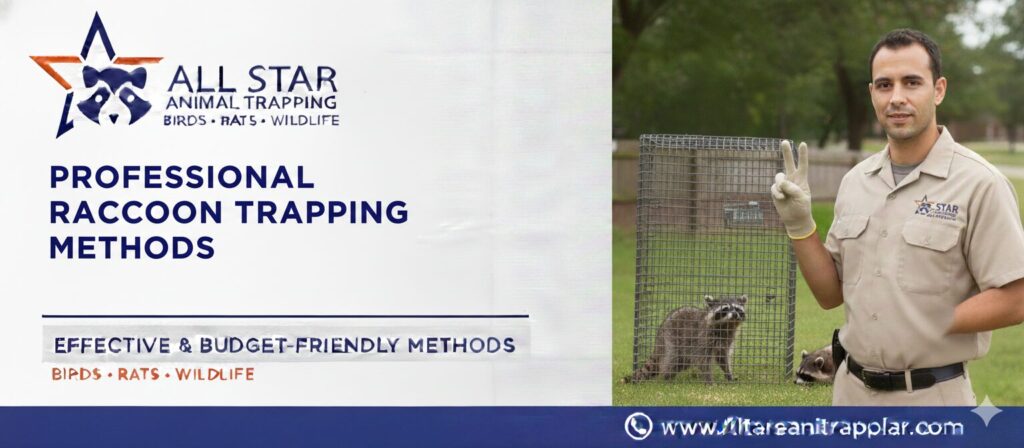
Understanding Raccoon Behavior Before Trapping
Successful raccoon trapping begins with understanding how raccoons think and behave. Raccoons are nocturnal animals that rely on routine, memory, and scent to navigate their environment.
They often follow the same travel paths and return to reliable food sources repeatedly. Professional raccoon trapping methods take advantage of these predictable habits to ensure higher success rates while minimizing stress to the animal.
Why Professional Raccoon Trapping Is Necessary
Raccoons can cause extensive damage when left unmanaged. From torn insulation to contaminated surfaces, the risks go beyond minor inconvenience.
Professional raccoon trapping methods address not only removal but also the underlying causes of raccoon activity. This comprehensive approach ensures that raccoons are removed safely and do not return to the same property.
Types of Professional Raccoon Traps Used
Professionals use specialized traps designed specifically for raccoons’ size, strength, and intelligence. These traps are regulated and chosen carefully to ensure humane treatment.
Live cage traps are the most commonly used option. They allow raccoons to be captured without injury and relocated or released according to local wildlife regulations.
Live Trapping Techniques Used by Professionals
Live trapping requires precision, patience, and experience to be effective.
Proper Trap Placement
Professionals place traps along raccoon travel routes and near entry points. Strategic placement increases capture success while reducing accidental captures.
Bait Selection Strategies
Baits are selected based on seasonal food preferences. Professionals avoid using household food that may attract non-target animals.
Timing and Monitoring
Traps are monitored frequently to prevent stress or exposure. Regular checks are a critical part of professional raccoon trapping methods.
Humane Standards in Professional Raccoon Trapping
Humane treatment is a core principle of professional wildlife control. Ethical trapping prioritizes animal welfare while protecting human safety.
Professionals follow strict guidelines regarding trap size, placement, and monitoring frequency. These standards reduce injury risks and ensure compliance with animal welfare laws.
Legal Regulations Governing Raccoon Trapping
Wildlife laws vary by region and strictly regulate raccoon trapping. Professional trappers understand and follow these regulations closely.
Permits, relocation rules, and release restrictions are all considered. Using professional raccoon trapping methods helps property owners avoid legal penalties and ethical violations.
Exclusion Techniques After Trapping
Trapping alone does not solve long-term raccoon problems. Exclusion methods are applied immediately after removal.
Sealing Entry Points
Professionals identify and seal roof vents, attic gaps, and foundation openings. This prevents new raccoons from entering.
Reinforcing Weak Structures
Damaged soffits, vents, and siding are reinforced. Structural upgrades reduce future wildlife access.
Habitat Modification
Removing attractants such as food and shelter discourages return visits. Habitat changes support long-term success.
Raccoon Trapping for Residential Properties
Residential raccoon problems require careful planning to protect families and pets. Professional raccoon trapping methods are adapted to minimize disruption.
Experts assess yard layout, building structure, and raccoon activity patterns. Customized trapping plans ensure safety and effectiveness in residential environments.
Raccoon Trapping for Commercial and Agricultural Sites
Commercial and agricultural properties face unique raccoon challenges. Large spaces and food availability increase infestation risks.
Professionals use advanced trapping strategies tailored to barns, warehouses, and storage facilities. These methods protect inventory, crops, and livestock while maintaining compliance with regulations.
Risks of DIY Raccoon Trapping
Attempting to trap raccoons without training can lead to serious problems. Raccoons can bite, scratch, and transmit diseases.
Improper trap placement often results in failure or unintended captures. Professional raccoon trapping methods reduce risks through experience and proper equipment.
Health and Safety Concerns Related to Raccoons
Raccoons carry diseases such as rabies and leptospirosis. Their droppings can also contain harmful parasites.
Professionals use protective gear and sanitation procedures. This ensures safe removal and cleanup without exposing occupants to health hazards.
Signs That Professional Trapping Is Required
Persistent raccoon activity indicates a deeper problem.
Repeated noises, structural damage, and daytime sightings suggest an established infestation. In such cases, professional raccoon trapping methods provide the safest solution.
Costs Associated With Professional Raccoon Trapping
Pricing depends on infestation severity and property size.
Inspection and Assessment
Initial inspections determine the scope of the problem. Accurate assessments lead to effective trapping plans.
Trapping and Removal
Costs vary based on the number of traps and monitoring required. Humane handling increases service value.
Exclusion and Repair
Repairs and sealing add to the overall cost. However, they prevent future expenses caused by repeat infestations.
Benefits of Professional Raccoon Trapping Methods
- Ensures humane and ethical treatment of raccoons. Professionals follow strict animal welfare standards and legal guidelines.
- Reduces risk of injury and disease exposure. Trained experts use protective equipment and safe handling techniques.
- Provides long-term prevention, not temporary relief. Trapping is combined with exclusion and habitat modification.
- Saves time and money in the long run. Effective removal prevents repeated property damage and repair costs.
- Complies with local wildlife regulations. Professionals understand legal requirements and avoid penalties.
Common Mistakes Avoided by Professionals
- Using incorrect trap sizes that cause injury or failure. Professionals select traps suited to raccoon behavior and size.
- Placing traps in random or ineffective locations. Strategic placement increases success rates significantly.
- Failing to monitor traps regularly. Professionals ensure frequent checks to prevent stress or harm.
- Ignoring entry point repairs after removal. Exclusion is essential to prevent reinfestation.
Long-Term Prevention After Professional Trapping
Long-term prevention is the final step in professional raccoon trapping methods.
Regular inspections, secure waste management, and property maintenance reduce future risks. Professionals often provide prevention plans to maintain raccoon-free environments.
Environmental Impact of Professional Raccoon Trapping
Professional methods consider environmental balance.
Humane trapping and responsible relocation reduce ecosystem disruption. Ethical wildlife control protects both property and local wildlife populations.
Conclusion
Professional raccoon trapping methods offer a safe, humane, and effective solution to raccoon infestations. By combining expert knowledge, specialized equipment, and ethical practices, professionals address both immediate problems and long-term prevention. This approach protects property while minimizing risks to people and animals.
Relying on professional raccoon trapping methods ensures compliance with wildlife laws and reduces the likelihood of repeat infestations. With proper exclusion, sanitation, and ongoing maintenance, property owners can maintain raccoon-free environments confidently and responsibly.
Frequently Asked Questions (FAQs)
1. Can professional raccoon trapping be done year-round?
Yes, professionals can trap raccoons year-round while adjusting techniques for seasonal behavior and weather conditions.
2. Are trapped raccoons relocated or released nearby?
This depends on local regulations. Professionals follow legal guidelines regarding relocation or release.
3. How long does professional raccoon trapping take?
The process may take several days to weeks, depending on raccoon activity and infestation size.
4. Will trapping remove baby raccoons as well?
Professionals use specialized methods to safely remove and reunite or relocate young raccoons when necessary.
5. Is professional raccoon trapping safe for pets?
Yes, traps are placed strategically to minimize risks to pets and non-target animals.
6. Do professionals clean contaminated areas after trapping?
Many services offer sanitation and cleanup to remove droppings and odors.
7. Can raccoons return after professional trapping?
Without exclusion measures, return is possible. Professionals reduce this risk by sealing entry points.
8. Does professional raccoon trapping include inspection services?
Most providers include inspections to identify entry points, nesting areas, and attractants.
Humane Wildlife Removal You Can Trust
When nuisance wildlife becomes a problem, rely on All Star Animal Trapping for professional and humane animal removal services. We safely remove raccoons, skunks, squirrels, rodents, and more — protecting your home and family the right way.