Rodent infestations are more than just a nuisance—they can cause serious damage to your home and pose health risks to your family. Understanding how to protect your property is essential for maintaining a clean, safe living environment. Effective rodent proofing ensures that these unwanted visitors are kept out, reducing the chances of structural damage, contamination, and disease.
Many homeowners underestimate the persistence and adaptability of rodents, which can squeeze through the tiniest gaps or chew through materials to access food and shelter. By implementing comprehensive rodent-proofing strategies, you can safeguard your home from infestations and maintain a hygienic living space. Prevention is always more effective than reactive measures, saving both time and money in the long run.
Identifying Rodent Entry Points in Your Home
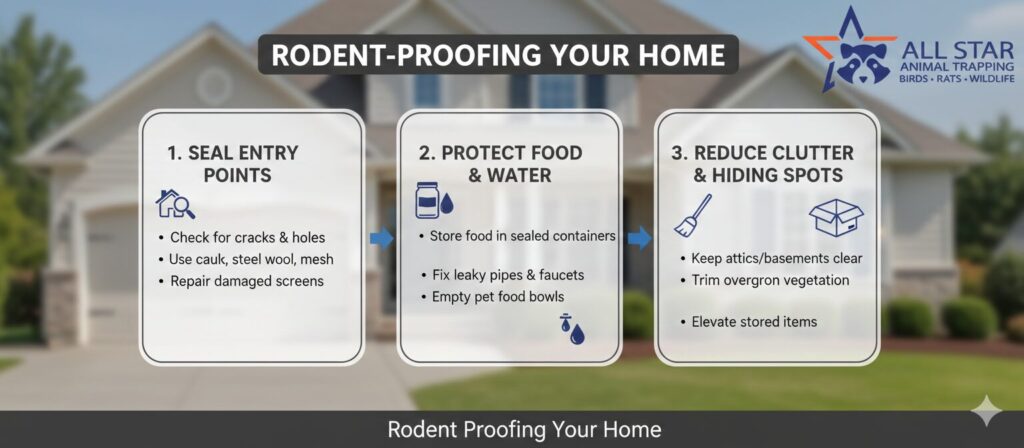
Rodents are skilled at finding weak spots in your home’s structure, often entering through cracks, gaps, or improperly sealed doors and windows. Inspecting your home regularly helps detect these entry points before infestations occur. This includes checking basements, attics, and utility areas for small openings that may go unnoticed.
Even minor damage to screens or vents can become a pathway for rodents. Seal all potential openings using materials like steel wool or caulk to prevent intrusions. Regular maintenance and vigilance are key components of effective rodent proofing, ensuring long-term protection for your property.
Common Weak Spots to Inspect
- Foundation cracks near external walls can allow rodents to enter undetected.
- Roof vents and chimneys are often overlooked entry points.
- Gaps around utility pipes or cables can provide easy access.
Seasonal Considerations
Rodent activity increases during colder months when they seek warmth indoors. Regular inspections in fall and winter can help prevent sudden infestations.
Signs of Rodent Access
Look for gnaw marks, droppings, or oily smudges along walls. These indicate areas that need immediate attention.
Essential Rodent Proofing for Kitchens
The kitchen is a primary target for rodents due to the availability of food and water. Rodent-proofing your home begins with maintaining a clean kitchen environment and securing food sources. Store all food in airtight containers and regularly dispose of garbage in sealed bins.
Cleaning under appliances and countertops can eliminate crumbs and spills that attract rodents. Installing rodent-proof cabinet barriers ensures that even hidden spaces remain inaccessible.
Rodent-Proof Food Storage
Use glass or metal containers instead of plastic to prevent gnawing. Rodents can easily chew through weaker materials.
Eliminating Water Sources
Fix leaks under sinks and around dishwashers to remove access to water. Rodents require water daily, so eliminating these sources reduces their incentive to stay.
Regular Sanitation
Clean floors and counters daily, and sweep behind large appliances. A clean environment is less attractive to rodents.
Rodent Proofing Your Home’s Exterior
The exterior of your home plays a crucial role in preventing infestations. Maintaining a rodent-proof perimeter can significantly reduce the likelihood of intrusion. Trim overhanging branches, remove debris, and ensure proper drainage around the foundation.
Rodents often use vegetation and clutter as hiding spots to approach your home undetected. Installing metal flashing around entry points and reinforcing door bottoms can block their access effectively.
Landscaping Tips
Keep shrubs and trees trimmed away from walls to minimize rodent pathways.
Structural Reinforcement
Use wire mesh to cover vents and gaps in the siding.
Outdoor Storage
Elevate firewood and materials off the ground to avoid creating rodent shelters.
Attic and Roof Rodent Proofing
Rodents love attics due to warmth and seclusion. Inspect your attic regularly for droppings, nesting material, and gnawed insulation. Installing chimney caps and sealing roof vents can prevent entry.
Proper attic rodent proofing protects insulation, wiring, and stored items from damage. Adding metal mesh over vents ensures that rodents cannot bypass structural defenses.
Insulation Protection
Cover exposed insulation with rodent-resistant barriers to prevent nesting.
Wiring Safety
Rodents gnawing on wires can create fire hazards. Regular inspections reduce risks.
Ventilation Checks
Ensure vents are tightly sealed without blocking airflow.
Garage and Basement Rodent Control
Garages and basements are frequent hiding spots due to clutter and easy access. Regularly inspect for cracks in foundations, gaps around doors, and signs of rodent activity. Rodent proofing these areas involves sealing openings, organizing storage, and maintaining cleanliness.
Implementing rodent-proof shelves and containers reduces the availability of food and nesting areas. Adequate lighting and airflow also discourage rodents from settling.
Structural Sealing
Use caulk or metal sheeting to cover holes and gaps.
Storage Organization
Elevate boxes and bins to make cleaning easier.
Moisture Control
Fix leaks and use dehumidifiers to reduce attractants.
Rodent Proofing Entry Points With Advanced Solutions
Some areas require specialized rodent-proofing techniques beyond basic sealing. Stainless steel mesh, heavy-duty door sweeps, and rodent barriers are highly effective for vulnerable spots.
Professional-grade rodent-proofing materials are especially useful in high-risk areas like basements, crawlspaces, and attics. Combining physical barriers with preventive measures ensures comprehensive home protection.
- Install steel wool around pipe entries to block gnawing.
- Use heavy-duty door sweeps to seal garage and basement doors.
- Cover vents with stainless steel mesh.
- Repair cracks with rodent-proof materials.
- Check and maintain these solutions regularly.
Rodent Deterrents and Repellents
While structural proofing is critical, deterrents can complement your efforts. Ultrasonic devices, natural repellents, and scent-based solutions help reduce rodent activity in specific areas.
Using repellents in combination with physical barriers strengthens rodent-proofing strategies. However, repellents alone are rarely sufficient for long-term protection.
Ultrasonic Devices
Emit sound frequencies that are uncomfortable for rodents.
Natural Deterrents
Peppermint oil, ammonia, and vinegar can be used strategically.
Monitoring Effectiveness
Check treated areas regularly to ensure continued efficacy.
Monitoring and Maintaining Rodent-Free Areas
Even after rodent proofing, ongoing monitoring is essential. Regular inspections identify early signs of intrusion before infestations take hold. Maintain a cleaning schedule and inspect all previously sealed areas.
Documenting observations helps in refining your rodent-proofing methods over time. Proactive maintenance guarantees lasting results and protects your home from future threats.
- Inspect basements, attics, and crawlspaces monthly.
- Check the kitchen and pantry for crumbs and spills.
- Reapply repellents or reinforce barriers as needed.
- Document entry points and repair them immediately.
- Educate family members on maintaining rodent-free practices.
Rodent Proofing Your Home with Pets in Mind
Pets can sometimes attract rodents or be affected by rodent control measures. Ensure that traps, repellents, and barriers are pet-safe. Rodent-proofing with pets requires careful placement of deterrents and secure storage of pet food.
Balancing rodent prevention with pet safety maintains a healthy home environment. By considering pets in your rodent-proofing plan, you avoid unintended harm while keeping rodents out.
Safe Placement of Traps
Position traps in inaccessible areas for pets.
Food Storage
Store pet food in rodent-proof containers.
Natural Repellents
Use pet-friendly options like peppermint oil in strategic locations.
Cost-Effective Rodent Proofing Techniques
Effective rodent proofing does not always require expensive solutions. Many affordable measures, like sealing gaps, installing door sweeps, and using DIY deterrents, can make a significant difference.
Investing in prevention often saves money compared to costly repairs from infestations. Combining multiple low-cost strategies ensures comprehensive rodent-proofing coverage.
- Use caulk and steel wool for sealing.
- Install door sweeps on entry points.
- Maintain yard cleanliness and trim foliage.
- Use homemade repellents strategically.
- Monitor regularly to avoid costly infestations.
Conclusion
Rodent-proofing your home is a multi-layered process involving structural repairs, preventive maintenance, and ongoing monitoring. From securing entry points to maintaining a clean environment, every step contributes to long-term protection against infestations.
Implementing these strategies proactively safeguards your family’s health, protects property, and minimizes costly damages. Consistency and vigilance in rodent proofing ensure that your home remains secure and pest-free for years to come.
FAQs
Q1: How quickly can rodents enter my home?
A1: Rodents can enter your home in a single night through small gaps or holes. Regular inspections prevent fast infestations.
Q2: Can rodents chew through metal or concrete?
A2: Rodents can gnaw through softer metals like aluminum, but cannot chew through solid concrete.
Q3: Are ultrasonic repellents effective for long-term rodent control?
A3: They can reduce activity temporarily, but they are not a standalone solution for long-term control.
Q4: Is peppermint oil safe around children?
A4: Yes, in small, well-ventilated areas, peppermint oil is safe but should be monitored.
Q5: How often should I inspect my attic?
A5: Inspect your attic at least once every season for signs of rodent activity.
Q6: Can pets deter rodents naturally?
A6: Cats and some dogs can discourage rodents, but are not fully reliable for complete prevention.
Q7: What’s the best material to seal gaps against rodents?
A7: Steel wool combined with caulk or metal mesh is highly effective for sealing gaps.
Q8: Will keeping the yard clean prevent rodents entirely?
A8: A clean yard reduces rodent attraction but must be combined with home-proofing measures for complete protection.
Humane Wildlife Removal You Can Trust
When nuisance wildlife becomes a problem, rely on All Star Animal Trapping for professional and humane animal removal services. We safely remove raccoons, skunks, squirrels, rodents, and more — protecting your home and family the right way.