A crawl space is one of the most overlooked areas in a home, yet it plays a critical role in keeping your house safe and structurally sound. Ultimate pest prevention strategies for your crawl space focus on identifying and controlling common infestations before they cause serious damage. Pests like rodents, termites, and insects thrive in dark, damp areas, making regular crawl space inspection tips essential for early detection.
Controlling humidity through crawl space moisture problems solutions, sealing entry points with crawl space sealing techniques, and using rodent prevention in crawl spaces methods are key steps to protect your home. Consistent crawl space maintenance checklist routines ensure long-term safety and comfort.
Understanding Common Crawl Space Pests
Crawl spaces are ideal environments for pests because they are rarely accessed and often damp. Rodents like mice and rats chew on wood and insulation and leave droppings that can spread bacteria. Termites destroy wooden beams silently, while spiders and ants inhabit corners and undisturbed areas. Insects that thrive in moisture, like cockroaches, find these spaces suitable for nesting. Recognizing common pests and their behavior is essential for effective rodent prevention in crawl spaces and maintaining a healthy environment.
Pest infestations in crawl spaces can also create serious health hazards. Rodent droppings and urine carry bacteria, while insect debris and spider webs can trigger allergies and respiratory issues. Homes in Los Angeles are prone to increased pest activity due to humidity and older structures. Applying crawl space sealing techniques, controlling moisture, and regular inspections provide long-term protection against both structural and health-related issues.
Types of Pests Found in Crawl Spaces
Common pests in crawl spaces include rodents, termites, spiders, ants, and cockroaches. Rodents chew insulation and wiring, termites compromise wooden foundations, and ants and cockroaches can spread bacteria. Identifying the type of pest present is necessary for proper termite treatment crawl space and targeted interventions. Preventive measures such as sealing cracks, controlling moisture, and regular monitoring reduce the chances of infestations.
Why Pest Prevention in Crawl Spaces is Crucial
Ignoring pest prevention can lead to major problems. Termites, carpenter ants, and rodents cause crawl space structural damage that is expensive to repair. Moisture can encourage mold growth, making conditions worse. Homes in Los Angeles with older foundations are particularly vulnerable. Preventing infestations protects property value and ensures safety for residents. Proactive pest control measures reduce costly repairs and keep the home in good condition.
Pest infestations also carry health risks. Rodent droppings, insect debris, and mold spores can affect indoor air quality. Allergies and respiratory problems are common consequences of untreated infestations. Following a crawl space maintenance checklist and controlling moisture, while sealing entry points, ensures that both property and health are safeguarded. Preventive measures provide peace of mind and long-term home safety.
Risks of Ignoring Crawl Space Infestations
Ignoring crawl space infestations can result in property damage, structural compromise, and serious health problems. Rodents chew through insulation and wiring, termites weaken wooden beams, and insects spread bacteria. Early detection and intervention are essential to prevent severe damage and high repair costs.
Signs of Pest Infestation in Your Crawl Space
Detecting pest activity early helps prevent major infestations. Common signs include droppings, gnaw marks, nesting materials, odors, and moisture accumulation. Moist areas attract insects and rodents, making inspections crucial. Regular monitoring using crawl space inspection tips helps homeowners identify problems and take preventive actions before they become severe.
Seasonal changes in Los Angeles can trigger pest activity. Look for termite mud tubes, spider webs, ant trails, and small gnaw marks. Documenting these signs and taking preventive measures such as sealing cracks or improving ventilation can prevent serious infestations. Maintaining a crawl space maintenance checklist ensures the space is regularly monitored and protected.
Early Warning Indicators
Droppings, gnaw marks, nesting materials, odors, and standing water are early warning signs of pest presence. Recognizing these allows homeowners to implement DIY crawl space pest control or call professional pest extermination services before infestations worsen.
Inspecting Your Crawl Space Effectively
Inspection begins with a visual check of insulation, beams, vents, and flooring. A flashlight helps detect droppings, webs, or damage. Check for moisture problems or leaks, focusing on corners, vents, and access doors, which are common entry points. Recording observations helps identify patterns in pest activity. Seasonal inspections, especially during humid months, allow early intervention and prevent structural damage.
Professional inspections complement DIY checks. Experts can detect subtle termite activity, hidden infestations, or structural weaknesses. Homes in Los Angeles often benefit from professional evaluation due to older construction and climate-related pest activity. Combining personal inspections with professional guidance ensures effective crawl space pest control and long-term safety.
DIY vs Professional Inspection
DIY inspections help detect obvious issues like droppings, moisture, and gnaw marks. Professional inspections identify hidden infestations, termite activity, or weak structural points. Using both approaches provides a thorough assessment and ensures effective pest prevention.
Sealing and Structurally Protecting Your Crawl Space
Sealing potential entry points is essential to prevent infestations. Cracks in foundations, gaps around vents, and poorly sealed access doors are typical vulnerabilities. Applying mesh barriers, sealants, and weatherstripping blocks these openings effectively. Older homes in Los Angeles may need extra attention to ensure all points are sealed. Proper sealing reduces pest activity, prevents moisture intrusion, and increases energy efficiency.
Structural protection includes reinforcing wood, proper insulation, and maintaining moisture barriers. Installing vent covers and applying targeted treatments can further reduce infestations. A well-maintained crawl space with secure structures minimizes long-term repairs and provides a healthier home environment. Homes using crawl space sealing techniques experience fewer infestations and improved durability.
Common Entry Points and How to Block Them
Pests often enter through foundation cracks, vents, and gaps around doors or windows. Blocking these with sealants or mesh reduces the likelihood of infestations and is essential for creating a safe, pest-proof crawl space.
Moisture Control and Ventilation
Moisture attracts pests and can accelerate structural decay. Installing sump pumps, vapor barriers, and dehumidifiers helps maintain balanced humidity. Proper drainage prevents water accumulation that encourages termites and insects. Moisture problems worsen crawl space conditions, but controlling water flow and humidity reduces infestations and protects insulation and wooden structures.
Ventilation promotes airflow, preventing stagnant, damp conditions where pests thrive. Cross-ventilation or mechanical ventilation systems help maintain dryness. Regular monitoring, especially after rainfall, ensures the environment remains unsuitable for pests. Combining ventilation with moisture barriers supports a healthier crawl space and reduces pest activity.
How Moisture Encourages Pests
Excessive humidity and standing water create ideal conditions for termites, insects, and rodents. Controlling moisture with dehumidifiers, drainage systems, and vapor barriers reduces infestations and helps maintain crawl space integrity.
Using Natural Pest Repellents and Treatments
Natural repellents such as peppermint oil, diatomaceous earth, and vinegar sprays provide eco-friendly alternatives to chemical treatments. These methods repel ants, spiders, and cockroaches effectively. Applying these solutions near entry points and high-activity areas increases effectiveness and ensures a safer environment.
Combining natural treatments with sealing and moisture control enhances protection. Regular applications maintain pest deterrence over time. Homeowners in Los Angeles can use these strategies to prevent infestations naturally, reduce chemical exposure, and maintain a healthy crawl space.
Safe Home Remedies for Crawl Space Pests
Natural methods like peppermint oil, vinegar, and diatomaceous earth repel pests safely. Regular application at entry points helps prevent rodents and insects from nesting and complements structural and moisture control measures.
Professional Pest Control Solutions
Hiring licensed pest control professionals ensures thorough inspections, accurate diagnosis, and effective treatment. Professionals use specialized tools and targeted methods to address infestations and reduce recurrence. Expert guidance is critical for termite treatment crawl space and long-term prevention.
Professionals also offer ongoing monitoring, sealing, and maintenance plans. Homes in Los Angeles benefit from expert intervention because climate and older construction increase pest risks. Professional care reduces long-term repair costs and ensures comprehensive protection.
Choosing the Right Exterminator
Select experienced and licensed exterminators. Review treatment options, guarantees, and follow-up procedures to ensure effective pest control and long-term crawl space safety.
Maintaining a Pest-Free Crawl Space
Consistent maintenance is essential for preventing infestations. Regular inspections, sealing cracks, monitoring moisture, and cleaning debris are critical. Following a crawl space maintenance checklist helps maintain a pest-free and safe environment.
Combining inspections, natural repellents, and occasional professional evaluations creates layered protection. Seasonal checks, especially in Los Angeles, ensure environmental changes do not compromise the crawl space. This approach maintains structural integrity and prevents costly infestations.
Regular Maintenance Checklist
Inspection, sealing gaps, moisture control, cleaning, and professional visits ensure a pest-free crawl space. Adhering to this checklist provides consistent preventive care.
Effective Strategies to Make Your Crawl Space Completely Pest-Proof
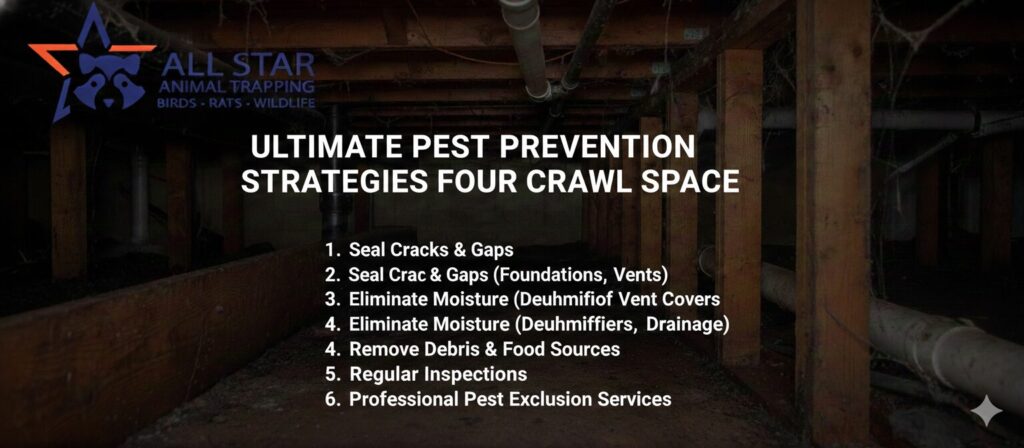
- Inspect your crawl space at least twice a year using detailed crawl space inspection tips.
- Seal all cracks, vents, and gaps around access doors using proper crawl space sealing techniques.
- Install vapor barriers, dehumidifiers, or sump pumps to control moisture and prevent infestations.
- Use natural repellents like peppermint oil, diatomaceous earth, or eco-friendly sprays near entry points.
- Schedule professional inspections or pest extermination periodically for hidden or hard-to-detect pests.
- Reinforce wooden beams and maintain insulation to prevent structural damage from termites or rodents.
- Maintain proper crawl space ventilation solutions to avoid stagnant air and damp conditions.
- Clean debris, old insulation, and nesting materials regularly as part of a crawl space maintenance checklist.
- Document observations of droppings, gnaw marks, or moisture issues to monitor pest activity over time.
- Combine DIY measures with professional guidance for a multi-layered, long-term pest prevention strategy.
Table
| Pest Type | Signs | Prevention | Treatment |
| Rodents | Droppings, gnaw marks | Seal cracks, traps | Professional baiting |
| Termites | Mud tubes, wood damage | Moisture control, barriers | Fumigation |
| Spiders | Webs, egg sacs | Reduce clutter, natural repellents | Insecticide |
| Ants | Trails, nests | Seal entry points | Eco-friendly sprays |
| Cockroaches | Droppings, odors | Clean debris, moisture control | Natural repellents |
Conclusion
Ultimate pest prevention in crawl spaces requires regular inspections, sealing, moisture control, natural repellents, and professional intervention. Understanding common crawl space pests and recognizing signs of pests in crawl space allows early action. Maintaining a clean, dry, and secure environment protects the structure and family health. A consistent crawl space maintenance checklist, combined with preventive measures, ensures a safe, pest-free home, especially in Los Angeles.
FAQs
1. What are the most common pests found in crawl spaces?
Common crawl space pests include rodents, termites, spiders, ants, and cockroaches. These intruders thrive in dark, damp areas and can cause structural and health issues.
2. How can I tell if my crawl space has a pest infestation?
Look for droppings, gnaw marks, nesting materials, unusual odors, and moisture. Early warning signs help prevent serious infestations and property damage.
3. Why is crawl space pest prevention important?
Ignoring infestations can lead to structural damage, mold growth, and health risks. Preventive measures save money and protect your family and home.
4. Can I inspect my crawl space myself?
Yes, DIY inspections help spot obvious signs like droppings or water leaks. However, professional inspections detect hidden pests and structural issues.
5. How do pests enter crawl spaces?
Pests enter through foundation cracks, vents, gaps around doors, or poorly sealed access points. Proper sealing blocks these entry points effectively.
6. How does moisture affect pest activity in crawl spaces?
Moisture attracts termites, insects, and rodents while promoting mold growth. Using vapor barriers, sump pumps, and dehumidifiers reduces pest risks.
7. Are natural pest repellents effective for crawl spaces?
Yes, remedies like peppermint oil, vinegar, and diatomaceous earth can repel insects and rodents. Regular use near entry points enhances protection naturally.
8. When should I hire professional pest control?
Hire professionals if infestations are severe, persistent, or hard to detect. Experts provide termite treatment crawl space and long-term prevention plans.
9. How often should I inspect my crawl space?
Inspect your crawl space at least twice a year, especially during humid seasons. Routine checks help maintain a pest-free environment and prevent structural damage.
10. What maintenance steps keep a crawl space pest-free?
Maintain proper ventilation, seal cracks, control moisture, clean debris, and use eco-friendly repellents. Following a crawl space maintenance checklist ensures lasting protection.
Humane Wildlife Removal You Can Trust
When nuisance wildlife becomes a problem, rely on All Star Animal Trapping for professional and humane animal removal services. We safely remove raccoons, skunks, squirrels, rodents, and more — protecting your home and family the right way.