
Los Angeles coyote territory on your property requires deep professional expertise to ensure completely safe, truly humane, and highly effective removal without unnecessary risks or complications. Expert coyote removal services specialize in thorough identification, strategic exclusion techniques, selective trapping only when absolutely necessary, and comprehensive habitat modification, reliably protecting families, beloved pets, and valuable livestock while strictly complying with all wildlife regulations and ethical standards. Trained specialists consistently apply proven, research-based techniques alongside advanced equipment to resolve ongoing conflicts efficiently and without causing undue harm to the animals involved.
From densely populated urban backyards to expansive rural lands across varying landscapes, gaining a solid understanding of coyote behavior patterns plays a crucial role in preventing unwanted encounters and potential dangers. Professional intervention always delivers reliable long-term solutions that significantly reduce risks, eliminate recurring problems, and confidently restore complete safety and tranquility to your property for years to come.
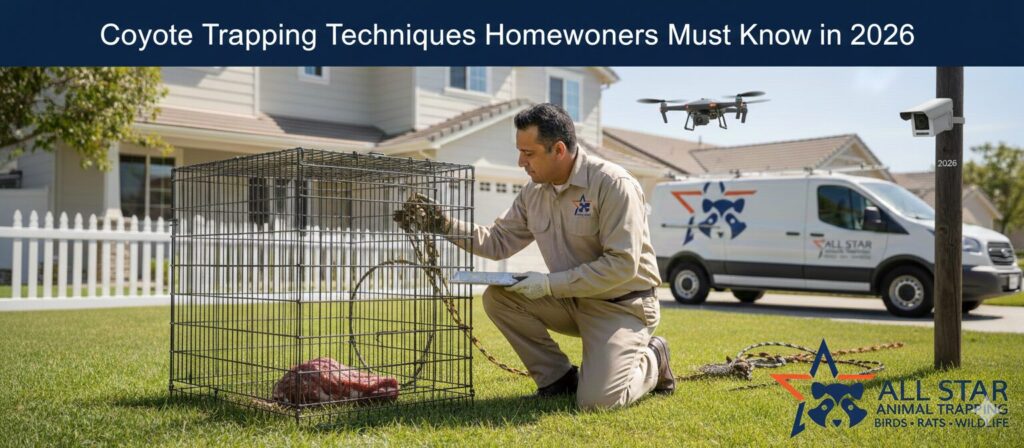
What Is Coyote Territory and Why Does It Matter?
Coyote territory fundamentally refers to specific areas where these remarkably adaptable canines actively establish their home ranges primarily for essential hunting activities, secure denning sites, and successful raising of vulnerable pups throughout the seasons. Territories naturally vary considerably based on local food availability and population density, typically spanning anywhere from 2 to 30 square miles in size, consistently marked with distinctive scent postings and characteristic howls for communication.Los Angeles Professionals meticulously assess multiple signs such as fresh tracks, recent scat deposits, or direct sightings to accurately determine active presence and boundaries.
In rapidly expanding urban areas like ongoing development increasingly overlaps traditional coyote habitat, dramatically heightening human-wildlife conflicts and encounters. Understanding detailed territory patterns ultimately enables highly targeted, precise, and far more effective removal strategies that address root causes comprehensively.
Common Signs of Coyote Territory on Properties
Coyotes characteristically leave distinctive tracks featuring visible claw marks, scat prominently containing undigested fur or bones, freshly dug dens strategically located under sheds or decks, and frequent nighttime howling sessions echoing across properties. Sudden pet disappearances during dawn or dusk hours or unexplained livestock kills strongly indicate active territory claims being defended aggressively.
Professionals expertly interpret these varied signs with precision for implementing safe, fully legal, and appropriately timed resolution methods tailored to each situation.
Who Needs Professional Coyote Removal Services?
Homeowners maintaining small pets or young children, dedicated farmers actively protecting valuable livestock from predation, property managers responsible for maintaining overall site safety standards, and businesses located near green spaces or parks all benefit significantly from expert services. Families suddenly noticing unusually bold daytime sightings or aggressive behavior definitely require immediate,Los Angeles professional expert help without delay.
Urban residents increasingly facing frequent encounters absolutely need proven humane solutions that remain fully compliant with evolving wildlife laws and regulations.
Importance of Understanding Coyote Territory for Removal
- Territory knowledge crucially allows precise targeted exclusion measures that effectively prevent unwanted re-entry attempts over time.
- Professional assessment reliably identifies active den sites while carefully avoiding sensitive pup season conflicts and legal issues.
- Understanding established patterns consistently ensures properly humane and fully legal methods rather than relying on temporary, ineffective deterrents alone.
- Accurate territory mapping significantly reduces potential risks to non-target animals, neighboring pets, and local wildlife populations.
- Deep behavior insights enable comprehensive long-term habitat modifications specifically designed for sustained prevention success.
- Expert approaches ultimately minimize ongoing human-coyote conflicts both safely and permanently.
Protecting Your Family and Pets
Coyotes naturally view small pets as potential prey opportunities, particularly during vulnerable dawn and dusk hours when activity peaks dramatically. Professionals strategically install proven physical barriers, systematically remove common attractants, and implement targeted hazing techniques when needed for maximum safety assurance.
Understanding established territory patterns helps accurately predict regular movement corridors, thereby protecting truly vulnerable areas proactively and effectively.
Preventing Property and Livestock Damage
Coyotes frequently dig extensive dens under structures, aggressively kill poultry or small livestock, or cause noticeable landscaping damage while establishing territory claims. Experts professionally seal all potential entry points and thoughtfully modify habitats to substantially reduce overall appeal long-term.
Professional removal decisively resolves underlying root causes, reliably preventing recurring losses and associated frustrations.
Sign 1: Distinctive Tracks and Trails
Coyote tracks characteristically show oval-shaped pads with clearly visible claw marks, forming remarkably straight-line trails quite unlike typical wandering dog paths that meander randomly. Professionals accurately distinguish these from similar species tracks with confidence and expertise.
In arid Nevada desert environments, fine dusty paths often reveal frequent, well-worn routes ideal for implementing targeted exclusion measures effectively.
Sign 2: Scat with Specific Contents
Coyote scat typically contains undigested hair, small bones, fruit seeds, featuring distinctive twisted ends, strategically placed prominently for territorial marking purposes. Size variations and precise locations reliably indicate established territory boundaries and core activity zones.
Experts carefully analyze contents for valuable diet clues directly guiding comprehensive attractant removal strategies and prevention planning.
Sign 3: Den Sites and Digging Activity
Active dens commonly appear under buildings, dense brush piles, or natural hillsides featuring noticeably enlarged entrances alongside occasional pup sightings marking prime breeding territory. Fresh, piled dirt mounds clearly signal ongoing, intensive use by resident animals.
Professionals handle safe, legal relocation procedures only during appropriate non-breeding seasons when permitted.
Sign 4: Nighttime Howling and Yipping
Characteristic group howls combined with sharp yips or barks effectively communicate strong territory claims, occurring most frequently during evening hours and early nights. Volume levels and directional sources accurately indicate nearby pack proximity and activity centers.
Strategic monitoring reliably helps map core territorial areas precisely for implementing focused deterrence measures successfully.
Sign 5: Prey Remains or Kills
Scattered feathers, clumps of fur, or partially buried animal carcasses definitively show recent successful hunting activity occurring well within claimed territory boundaries. Observable patterns clearly reveal consistently preferred hunting zones and travel corridors.
Removal teams promptly clear all remains, effectively eliminating strong attractants that draw coyotes repeatedly.
Sign 6: Bold Daytime Sightings
Coyotes comfortably appearing during daylight hours near human activity strongly signal advanced habituation alongside firmly established territory presence. Pets actively chased or closely followed demand urgent, professional intervention without hesitation.
Structured hazing programs successfully restore essential natural fear responses toward humans over time.
Sign 7: Scent Marking Behavior
Prominent urine markings or strategic scat deposits on visible objects actively reinforce territorial boundaries and ownership claims. Additional rubbing behaviors on posts effectively transfer individual scent signatures.
Professionals leverage this detailed knowledge for highly strategic, targeted repellent placement and deterrence applications.
Pros and Cons of DIY vs. Professional Removal
DIY deterrents frequently provide only temporary relief before failing long-term as coyotes adapt quickly; professionals consistently deliver fully legal, genuinely humane solutions backed by strong guarantees and follow-up support.
Common Coyote Territory Misconceptions
Coyotes surprisingly don’t require vast wilderness areas; even small urban green spaces or parks provide sufficient territory needs. Relocation attempts rarely succeed due to incredibly strong natural homing instincts guiding returns.
How Professionals Map Coyote Territory
Experts systematically deploy trail cameras, advanced GPS tracking devices, comprehensive sign surveys, and valuable community sighting reports for developing highly accurate territory maps and activity patterns.
Cost of Professional Coyote Removal
Fees generally range $300–$1,500 depending primarily on overall property size, required methods, and comprehensive prevention scope included. Ongoing monitoring packages frequently offer excellent long-term protection and value.
Factors Affecting Removal Costs
Territory extent coverage, confirmed den presence requiring special handling, direct livestock involvement levels, and desired prevention measures significantly influence final pricing structures and package options.
Is Professional Coyote Removal Worth It?
Yes—experts reliably ensure truly humane, highly effective solutions actively preventing dangerous escalation, potential liability issues, and ongoing conflicts successfully.
Key Features of Territory-Based Removal
Non-lethal exclusion techniques, thoughtful habitat modification plans, structured hazing protocols, Los Angeles and continuous monitoring programs collectively ensure genuinely lasting, positive results.
Reference Table
| Territory Sign | Description | Associated Risks | Common Locations | Professional Solution | DIY Risks |
| Distinctive Tracks/Trails | Oval pads with claws, straight paths | Increased presence near homes | Trails, muddy areas | Mapping for exclusion | Misidentification leads to wrong actions |
| Scat Contents | Hair, bones, twisted ends | Disease transmission potential | Prominent marking spots | Diet analysis for attractant removal | Exposure handling waste |
| Den Sites/Digging | Enlarged holes under structures | Pup season conflicts | Under sheds, hillsides | Safe seasonal relocation | Disturbing protected dens illegally |
| Nighttime Vocalizations | Howls, yips communicating territory | Pack proximity alerts | Open areas near property | Audio monitoring for patterns | Overreaction without context |
| Prey Remains | Scattered fur/feathers, buried kills | Pet/livestock attraction | Hunting zones | Immediate cleanup | Disease from handling |
| Bold Daytime Behavior | Comfortable near humans/pets | Attack risks escalation | Yards, streets | Hazing programs | Dangerous confrontations |
| Scent Marking | Urine/scat on objects | Boundary reinforcement | Posts, rocks | Repellent strategic placement | Ineffective temporary deterrents |
Understanding Coyote Territory – Final Thoughts
Los Angeles Understanding coyote territory thoroughly enables remarkably precise, highly effective removal approaches that protect properties safely and responsibly over time. Professional services consistently deliver genuinely humane, reliable long-term solutions grounded in deep behavior knowledge and field-tested expertise.
When to Call Coyote Removal Experts
Call professionals immediately upon observing multiple clear signs or direct pet threats—early decisive action dramatically prevents serious escalation and complications.
Long-Term Benefits of Professional Removal
Territory-based comprehensive strategies reliably prevent unwanted returns, actively safeguard pets and livestock, and successfully maintain peaceful human-wildlife coexistence permanently.
Conclusion
Coyote territory increasingly overlaps expanding human spaces, absolutely requiring professional understanding for truly effective, responsible removal outcomes. Expert services skillfully resolve ongoing conflicts humanely, ultimately ensuring enhanced safety and proactive prevention through well-informed, territory-focused approaches tailored specifically.
FAQs
1. What defines coyote territory?
Coyote territory fundamentally encompasses designated home ranges where they actively hunt, securely den, and successfully raise pups, consistently marked by distinctive scent postings and characteristic vocalizations. Sizes naturally vary from 2-30 square miles primarily based on local food availability and overall population density factors. Urban territories typically shrink but dramatically intensify human conflicts near residential areas. Professionals expertly map these precisely for implementing targeted removal strategies effectively. Understanding clear boundaries enables reliable exclusion preventing rapid re-establishment occurrences.
2. Why understand territory for removal?
Territory knowledge crucially identifies core activity areas, critical den sites, and regular travel routes for delivering precise interventions avoiding broad, ineffective measures entirely. Established behavior patterns directly guide properly humane and fully legal methods significantly reducing associated risks. Comprehensive mapping actively prevents unintended non-target impacts while ensuring genuinely lasting results overall. Professionals leverage this valuable insight for developing fully customized prevention plans uniquely suited. Accurate territory understanding consistently improves removal success rates dramatically and sustainably.
3. How identify active coyote territory?
Carefully look for distinctive tracks featuring visible claws, twisted scat prominently containing undigested fur or bones, freshly dug dens, frequent nighttime howling sessions, scattered prey remains, unusually bold sightings, and deliberate scent marking on objects. Multiple combined signs together reliably confirm firmly established territorial presence and activity levels. Trail cameras consistently provide definitive visual proof over extended monitoring periods. Professionals accurately interpret complex sign combinations distinguishing reliably from similar species encounters. Early proactive identification ultimately enables timely preventive measures successfully.
4. Are coyotes dangerous in territory?
Coyotes very rarely attack adult humans but naturally view small pets as viable prey opportunities within actively claimed territory boundaries. Habituated individuals become progressively bolder dramatically increasing overall risks and potential conflicts significantly. Livestock losses frequently rise substantially in overlapping rural territories without intervention. Professional structured hazing programs effectively restore essential natural fear responses toward humans safely. Territory understanding accurately predicts high-potential conflict zones protecting vulnerable targets proactively.
5. What costs professional coyote removal?
Costs typically range $300–$1,500 primarily depending on total property size, specific methods required, and comprehensive prevention scope thoughtfully included. Basic targeted exclusion services generally start lower while full territory management understandably increases accordingly. Ongoing professional monitoring packages frequently offer excellent long-term savings opportunities overall. Detailed quotes always include thorough assessment, humane removal procedures, and essential habitat modification steps. Investment reliably prevents far more expensive pet or livestock losses later.
6. Can DIY remove coyotes effectively?
DIY deterrents like bright lights or loud noise devices typically provide only temporary limited relief before coyotes adapt quickly and resume normal activity patterns. Strict legal restrictions heavily limit personal trapping or relocation options in most areas severely. Professionals consistently ensure fully compliant, genuinely humane solutions backed by strong guarantees and support. Territory knowledge uniquely enables permanent effective exclusion that DIY approaches simply cannot match reliably. Expert proven methods ultimately prove far more reliable and successful overall.
7. How locate coyote dens safely?
Professionals systematically utilize trail cameras, comprehensive sign surveys, advanced thermal imaging devices, and precise GPS tracking for accurate, completely non-invasive den location procedures. Careful pup season timing strictly avoids any illegal disturbance activities legally and ethically. Minimal overall disturbance methods actively protect resident wildlife while efficiently resolving human conflicts simultaneously. Extensive field experience directly guides safe, responsible approaches preventing unnecessary escalation risks. Advanced specialized tools consistently achieve results homeowners cannot replicate independently.
8. Does removal relocate coyotes?
Relocation attempts very rarely succeed due to incredibly strong natural homing instincts reliably guiding animals back to original areas quickly. Professionals primarily focus on proven exclusion techniques, thoughtful habitat modification strategies, and structured hazing for delivering permanent local solutions effectively. Non-lethal preferred methods consistently prove significantly more effective and sustainable long-term overall. Deep territory understanding actively prevents common vacuum effect recurrence issues reliably. Humane primary focus always prioritizes practical coexistence strategies whenever feasible.
9. How choose coyote removal experts?
Select fully licensed wildlife operators demonstrating proper humane certifications, adequate liability insurance coverage, consistently positive client reviews, and proven territory expertise specifically. Thoroughly verify complete legal compliance records, strong prevention focus commitments, and clear guarantee policies upfront always. Directly ask detailed questions about preferred methods, ongoing monitoring options, and available community education programs offered. Extensive experience handling local coyote behavior patterns matters significantly for success. Trusted reputable providers genuinely prioritize comprehensive long-term solutions effectively.
10. What prevention from territory knowledge?
Understanding established patterns uniquely enables sealing potential entry points permanently, completely removing common attractants, strategically installing reliable barriers, and thoughtfully modifying habitats deterring future settlement attempts comprehensively. Proper food securing practices, vigilant pet supervision routines, and targeted hazing techniques maintain firm boundaries effectively over time. Regular annual professional assessments reliably catch subtle changes early preventing costly re-establishment scenarios entirely. Properties ultimately achieve proven coyote-resistant status dramatically reducing overall risks substantially. Sustainable coexistence strategies become realistically achievable long-term successfully.
Humane Wildlife Removal You Can Trust
When nuisance wildlife becomes a problem, rely on All Star Animal Trapping for professional and humane animal removal services. We safely remove raccoons, skunks, squirrels, rodents, and more — protecting your home and family the right way.