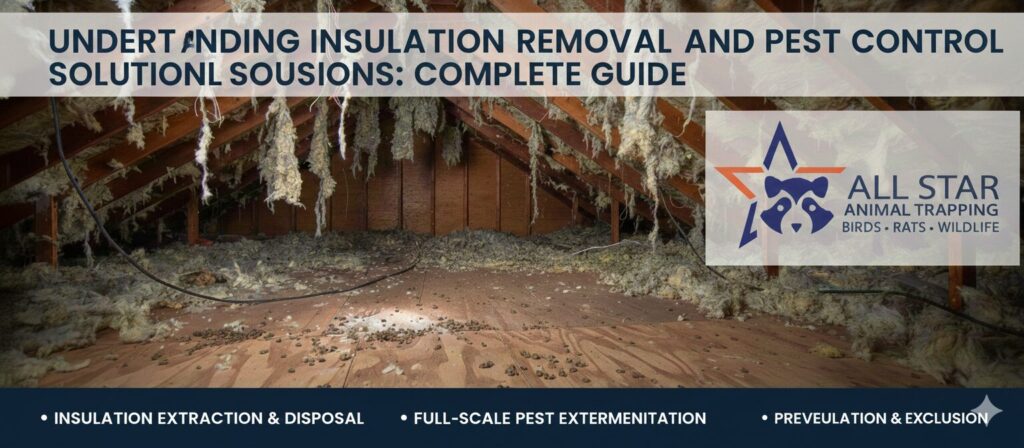
Proper insulation is vital for a comfortable and energy-efficient home, but over time, it can become damaged, contaminated, or infested with pests. Understanding insulation removal and pest control solutions helps homeowners identify and fix these issues effectively. Old insulation often hides rodent infestation in insulation, mold growth, and other hazards that reduce energy efficiency and indoor air quality.
Performing attic insulation removal safely or hiring professionals ensures that home insulation replacement is thorough and that contaminated materials are disposed of properly. Combining removal with professional pest control services prevents future infestations, protects your family’s health, and enhances long-term home safety and comfort.
What is Insulation Removal?
Insulation removal refers to the process of taking out old, damaged, or contaminated insulation from walls, attics, or crawl spaces. Homes that have been lived in for many years often experience wear and tear in their insulation, making it less effective at regulating indoor temperatures. Moisture, pests, and mold can compromise insulation, creating unhealthy living conditions. By removing it, homeowners can prepare their spaces for modern replacement materials, which improve comfort, reduce energy consumption, and prevent long-term damage to the building structure.
This process is also critical for identifying signs of contamination. Rodent activity, mold growth, and compressed insulation can decrease thermal efficiency and pose serious health risks. Professional inspections can detect these problems early, while safe removal methods ensure that harmful particles do not spread throughout the home. Replacing old insulation with energy-efficient materials enhances indoor air quality, improves heating and cooling efficiency, and provides long-term protection against future infestations.
Reasons Why Insulation Removal is Necessary
Insulation removal is often required when old materials lose effectiveness or become contaminated. Damaged insulation cannot maintain consistent temperatures, causing higher utility bills and discomfort. Mold growth or rodent infestations within insulation layers can lead to respiratory issues, allergies, and other health problems. Removing compromised insulation addresses these risks and ensures that the home is safe for all occupants.
In addition, old insulation can pose safety hazards, including flammability or structural weakness. Degraded materials like fiberglass or cellulose can release harmful particles into the air. Proper removal allows for inspection of hidden areas for contamination and ensures that the space is ready for replacement with materials that meet current safety and energy standards.
Common Pests Found in Insulation
Insulation provides warmth and shelter, making it an ideal habitat for pests. Rodents chew through insulation to build nests, leaving droppings and urine that compromise both health and insulation performance. Insects such as ants, cockroaches, and termites can damage insulation fibers, reduce energy efficiency, and contaminate the home. Early detection of these pests is essential for effective attic cleaning and pest control, preventing larger infestations that can be costly to resolve.
Pest activity also reduces insulation efficiency by compressing materials like fiberglass and cellulose. Airflow becomes restricted, and heating and cooling systems have to work harder, increasing energy consumption. Combining professional pest control services with insulation replacement ensures that infestations are eliminated and that new insulation maintains optimal performance. Homeowners who address pest issues alongside insulation removal experience healthier, more comfortable living spaces.
Signs of Pest Infestation in Insulation
Common signs of infestation include droppings, urine stains, and chewed insulation materials. Unpleasant odors, often caused by rodents, indicate hidden problems. The presence of live insects or small animals in attics or crawl spaces confirms the need for action. Early detection prevents further structural damage and allows for safe removal and replacement of contaminated insulation.
Tools and Equipment for Safe Insulation Removal
Proper tools and protective equipment are critical for safe insulation removal. Gloves, masks, and protective clothing prevent contact with hazardous fibers and dust. Heavy-duty bags and containers allow safe disposal of old insulation materials. Specialized vacuums and machines can remove dense insulation without spreading contaminants, while inspection cameras help detect pests or hidden mold before replacement.
Using the right equipment also ensures compliance with insulation disposal guidelines. Containment prevents debris from spreading throughout the home, and eco-friendly pest control methods can be applied during the removal process. Professionals trained in handling hazardous insulation materials can safely manage dangerous substances while preparing the area for new fiber glass insulation replacement or spray foam installation.
Essential Gear for Homeowners and Professionals
For DIY insulation removal, gloves, masks, and protective clothing are essential. Professionals use additional tools like vacuums, cameras, and containment barriers to remove insulation efficiently and safely, ensuring minimal exposure to allergens and debris.
Step-by-Step Insulation Removal Process
Insulation removal begins with preparing the space. Vents are sealed, and protective barriers are put in place to contain dust and contaminants. Insulation is removed in manageable sections to allow careful inspection for pests, mold, or structural damage. This method ensures safe extraction and prevents further contamination.
After removal, debris is bagged and disposed of according to guidelines. Surfaces are cleaned, and the area is prepared for modern replacement insulation. This process ensures that new insulation performs efficiently and helps implement long-term pest control strategies. In Los Angeles homes, compliance with local regulations is essential during this process.
How Experts Remove Insulation Safely
Professionals divide insulation into sections and use protective gear and vacuums to extract materials. They inspect for mold and pests, ensuring thorough removal. Safe handling and disposal prepare the home for replacement while protecting health and air quality.
Benefits of Professional Insulation Removal
Hiring professionals ensures complete removal of damaged insulation and pests. It prevents structural damage and reduces health risks from mold and rodent exposure. Experts save time and guarantee compliance with safety regulations, which is especially important in Los Angeles homes.
Professional removal also allows for the installation of energy-efficient insulation that improves thermal performance. Combining removal with professional pest control services ensures that infestations are fully addressed. Thorough cleaning improves air quality, reduces allergens, and enhances comfort for occupants.
Why Hiring Experts Makes a Difference
Experts ensure that insulation removal is thorough and safe. Their experience prevents mistakes that could compromise safety or energy efficiency. They also provide guidance on selecting the best insulation for pest prevention and long-term performance.
Preventing Future Pest Infestations
Preventing infestations involves sealing entry points, maintaining clean and dry insulation, and performing regular inspections. Eco-friendly pest control solutions help keep homes free of rodents and insects without introducing harmful chemicals. Regular maintenance ensures that insulation retains its effectiveness and reduces energy costs.
Effective pest prevention also extends the life of insulation. By keeping attics and crawl spaces dry and clean, homeowners minimize mold growth and rodent activity. Following insulation maintenance tips ensures long-term protection and comfort, making homes safer and more efficient in the USA.
Effective Pest Control Strategies
Sealing gaps, inspecting insulation regularly, and using eco-friendly pest control prevent infestations. Maintaining dry and clean insulation protects against future rodent and insect activity.
Choosing the Right Insulation After Removal
Choosing the right replacement insulation is essential for long-term comfort and efficiency. Fiberglass, cellulose, and spray foam are common options. Spray foam insulation safety is important during installation to prevent inhalation hazards or fire risks. Pest-resistant and energy-efficient insulation helps prevent infestations and reduces heating and cooling costs.
Factors such as cost, climate, and durability influence insulation selection. Fiber glass insulation replacement provides effective thermal performance while resisting pests and mold. Professional installation ensures optimal results, maximizing energy efficiency and protecting home occupants for years.
Insulation Options for Better Protection
Fiberglass, cellulose, and spray foam offer excellent insulation performance. Pest-resistant materials reduce maintenance needs and improve long-term comfort and efficiency.
DIY vs Professional Pest Control Solutions
DIY methods can be effective for minor pest problems but may fail against serious infestations. Professionals have the training, experience, and tools to handle severe infestations safely. Understanding when to choose professional versus DIY insulation removal is critical to avoiding future problems.
Professionals also implement long-term pest control strategies to prevent re-infestation. Combining pest control with insulation replacement ensures that homes remain energy-efficient, healthy, and free of contaminants. Los Angeles homeowners often rely on professional services to ensure compliance with local safety regulations.
When to Call an Expert
Call an expert for severe infestations, hazardous insulation, or long-term prevention. Professionals can provide safer, more effective results than DIY methods.
Common Mistakes to Avoid During Insulation Removal
Ignoring pest signs, using improper protective gear, or removing insulation incompletely can cause health and structural problems. Unsafe disposal practices may also violate local guidelines and create contamination risks. Proper planning and execution prevent these issues.
Homeowners should follow insulation removal safety tips carefully. Failing to clean thoroughly or leaving damaged insulation in place can result in recurring infestations, mold growth, and reduced energy efficiency. Proper techniques ensure a safer and more comfortable home environment.
How to Stay Safe and Efficient
Wear protective gear, inspect insulation carefully, and follow disposal guidelines. Safe and thorough removal reduces health risks and prevents future infestations.
Maintaining a Pest-Free, Efficient Insulated Home
Routine inspection, cleaning, and monitoring moisture are key to a pest-free home. Scheduling pest control treatments along with attic cleaning ensures that homes remain protected. Maintaining insulation efficiency lowers energy bills and improves comfort for all residents.
Proper ventilation, sealing gaps, and replacing damaged insulation helps homes remain energy-efficient and mold-free. Following insulation maintenance tips ensures safe indoor air quality, effective temperature control, and long-term comfort in Los Angeles and throughout the USA.
Routine Maintenance Tips
Regularly inspect insulation, remove debris, and monitor for moisture. Combine these practices with pest control strategies to maintain a healthy, efficient, and safe home.
Table: Insulation Types and Key Features
| Insulation Type | Pest Resistance | Energy Efficiency | Cost Estimate | Best Use |
| Fiberglass | Medium | High | Low-Medium | Attics/Walls |
| Cellulose | High | High | Medium | Attics/Ceilings |
| Spray Foam | High | Very High | High | Entire Home |
Key Steps to Ensure Safe and Effective Insulation Removal
- Inspect your insulation for mold, pests, and damage before starting removal.
- Wear protective gear such as gloves, masks, and long-sleeved clothing.
- Seal off the area to prevent dust and contaminants from spreading.
- Remove insulation in sections to avoid disturbing contaminated material.
- Use proper disposal methods following local insulation disposal guidelines.
- Apply eco-friendly pest control solutions during or after removal.
- Replace old insulation with energy-efficient and pest-resistant materials.
- Schedule regular inspections and maintenance to prevent future infestations.
Conclusion
Understanding insulation removal and pest control solutions is critical for every homeowner. Old or contaminated insulation reduces energy efficiency, can cause health problems, and attracts pests. Proper removal combined with professional pest control ensures that homes remain safe, comfortable, and energy-efficient. Choosing the right replacement insulation, maintaining inspections, and using preventive strategies protect homes and their occupants. Following these steps helps homeowners in Los Angeles and across the USA enjoy healthy, efficient, and long-lasting insulation systems.
FAQs
1. What is insulation removal and why is it necessary?
Insulation removal is the process of taking out old or contaminated insulation. It is necessary to improve energy efficiency, prevent mold growth, and eliminate pest infestations.
2. How can I tell if my insulation has pests?
Signs include droppings, chewed materials, unpleasant odors, and visible insects or rodents. Early detection prevents further damage and health hazards.
3. Can I remove insulation myself safely?
DIY insulation removal is possible with gloves, masks, and protective clothing. However, professional removal is safer, especially for hazardous materials or severe infestations.
4. What types of insulation are best for preventing pests?
Pest-resistant options include fiberglass, cellulose, and spray foam. Choosing durable and sealed insulation reduces rodent and insect activity.
5. How often should I inspect my insulation?
Homeowners should inspect insulation at least once a year. Regular checks help identify contamination, pest activity, or moisture issues early.
6. What equipment is needed for safe insulation removal?
Essential equipment includes protective gloves, masks, vacuums, heavy-duty bags, and inspection cameras. Proper gear ensures safety and prevents contamination.
7. How does insulation removal improve energy efficiency?
Removing old or compressed insulation allows new materials to provide better thermal performance. This reduces heating and cooling costs significantly.
8. Are there eco-friendly pest control options?
Yes, non-toxic sprays, traps, and natural repellents can manage pests without harming the environment. Regular maintenance enhances their effectiveness.
9. When should I hire professionals for insulation removal?
Hire experts if insulation is contaminated with mold, heavily infested with pests, or hazardous. Professionals ensure safe removal and proper disposal.
10. How can I prevent future pest infestations after insulation replacement?
Seal cracks and gaps, maintain dry and clean insulation, and perform regular inspections. Combining maintenance with eco-friendly pest control strategies provides long-term protection.
Humane Wildlife Removal You Can Trust
When nuisance wildlife becomes a problem, rely on All Star Animal Trapping for professional and humane animal removal services. We safely remove raccoons, skunks, squirrels, rodents, and more — protecting your home and family the right way.