
Understanding remediation costs is crucial for homeowners and business owners facing property damage, whether it involves mold, asbestos, water leaks, or environmental hazards. Knowing how to budget for cleanup and restoration pricing helps prevent unexpected financial strain and ensures projects are completed safely. This guide explores flat rate, hourly, and per square foot pricing, providing a clear remediation pricing guide for different scenarios.
By examining factors that influence environmental remediation expenses and offering tips on damage remediation budgeting, property owners can plan effectively. With insights on home or commercial remediation costs, this article helps you make informed decisions, avoid hidden charges, and choose the right remediation service confidently.
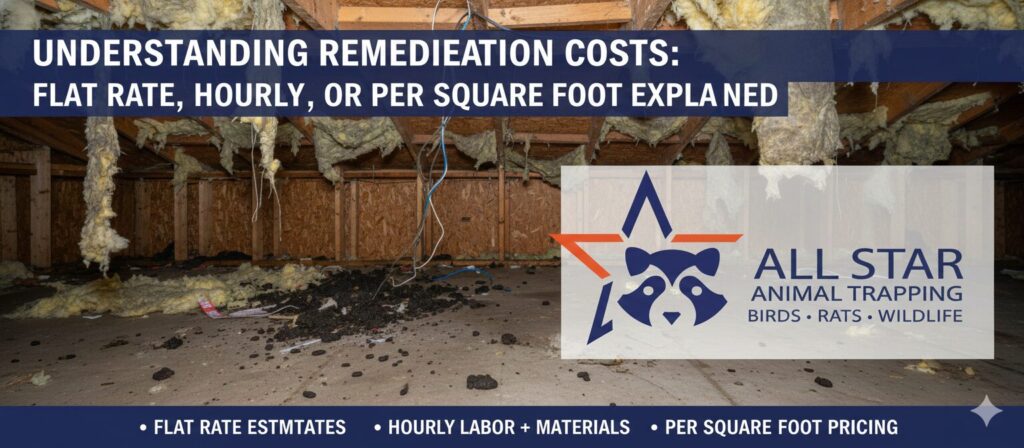
What Are Remediation Costs?
Remediation costs are the total financial resources required to remove hazards and repair damage in residential or commercial properties. They cover labor, materials, permits, equipment, and inspections. The type of damage, size of the property, and complexity of the project all affect the final cost. For homeowners and businesses in Los Angeles, understanding remediation costs allows them to allocate funds accurately and avoid surprises. Accurately estimating home or commercial remediation costs ensures that restoration projects proceed smoothly and that property safety is maintained throughout the process.
Knowing remediation costs also impacts decision-making. Understanding cleanup and restoration pricing helps homeowners plan for contingencies and determine whether a project can be handled internally or requires licensed professionals. Estimating damage remediation budgeting effectively allows property owners to avoid overspending and ensures that contractors are paid fairly for all services provided. This knowledge helps to reduce stress and improves project outcomes, particularly when multiple hazards or regulatory requirements are involved.
Definition and Importance
Remediation costs refer to the expenses required to restore a property safely and effectively. These costs encompass all aspects of the work, including labor, materials, permits, and specialized equipment. Proper knowledge of these expenses enables property owners to make informed choices about hiring professionals and estimating how much does remediation cost. For properties in Los Angeles, understanding these costs is critical for avoiding budget overruns and ensuring that all work meets safety standards and regulatory requirements.
Factors That Influence Remediation Costs
The cost of remediation depends on a combination of factors. The type and extent of damage, site accessibility, and the level of expertise required all contribute to the total expenses. Location matters because labor, permits, and materials in Los Angeles can be more expensive than in other areas. The materials and equipment needed, such as air filtration systems or containment units, also affect the final price. For projects with complex hazards, additional safety measures or specialized procedures can further increase environmental remediation expenses.
Other factors include property size and potential hidden damage. Water intrusion may expose structural weaknesses, while mold growth can extend beyond visible areas. Unanticipated issues like asbestos contamination or electrical hazards can also drive up costs. Understanding these factors affecting remediation pricing allows property owners to prepare realistic budgets and select qualified contractors who can handle all aspects of the work safely and efficiently.
Common Variables to Consider
Damage severity, site accessibility, labor expertise, and material requirements are key variables that influence remediation costs. Anticipating hidden issues prevents unexpected financial strain. Proper assessment ensures that remediation projects are completed safely, thoroughly, and on schedule.
Flat Rate Remediation Costs
Flat rate remediation involves a predetermined cost for the entire project, regardless of hours worked or materials used. This pricing method provides financial predictability and is often preferred for smaller or well-defined projects such as minor mold removal or water damage repairs. Homeowners in Los Angeles appreciate flat rate pricing because it allows for easier budgeting without the risk of escalating costs during the remediation process.
However, flat rate pricing may not account for unexpected issues that arise during the project. If hidden damage is discovered, additional costs may be required to complete the work. Understanding flat rate versus hourly remediation helps property owners weigh the benefits and drawbacks, ensuring the chosen pricing model aligns with project scope, complexity, and risk factors.
Pros and Cons of Flat Rate Pricing
Flat rate pricing guarantees cost certainty and is ideal for projects with clearly defined work. It may not cover hidden damages or unforeseen complications, making it necessary to verify what the contract includes before starting remediation.
Hourly Rate Remediation Costs
Hourly remediation pricing charges clients for the actual time spent on the project. This approach suits projects where the scope is uncertain or there is a potential for hidden damage. Rates vary based on contractor experience, location, and urgency of the work. Hourly pricing is often used in Los Angeles for commercial projects or properties with complex environmental hazards.
Although flexible, hourly pricing can lead to higher costs if the work takes longer than anticipated. Homeowners must track hours closely and communicate with contractors regularly to avoid unexpected charges. Proper oversight ensures that labor and material costs remain within the expected range while maintaining safe and effective remediation standards.
How Hourly Pricing Works
Hourly pricing charges for labor based on actual hours worked, which is suitable for unpredictable projects. Monitoring the project ensures that costs do not escalate unexpectedly and that all necessary work is completed properly. This method complements per square foot remediation charges when evaluating overall project cost.
Per Square Foot Remediation Costs
Per square foot pricing calculates remediation costs based on the area affected by the damage. This method is particularly useful for large homes, commercial properties, or projects where standardization is necessary. Rates depend on the severity of contamination, type of hazard, and materials required. Estimating remediation work costs becomes easier using this method, as it allows for a clear understanding of total project expenses.
In Los Angeles, per square foot pricing is often applied to commercial or expansive residential properties. While this approach simplifies budgeting, property owners must confirm that the rate includes all labor, materials, permits, and potential hidden issues to avoid surprises. Comparing flat rate versus hourly remediation alongside per square foot pricing provides a comprehensive view of project expenses.
Understanding Area-Based Pricing
Per square foot pricing is calculated based on affected area size, ensuring a scalable and standardized estimate. All components, including labor, materials, and permits, must be included to prevent unforeseen costs during remediation.
Comparing Flat Rate, Hourly, and Per Square Foot Costs
Comparing pricing methods helps property owners determine the most suitable option for their specific needs. Flat rate provides predictable costs, hourly offers flexibility, and per square foot ensures standardized estimates. Evaluating each method allows homeowners in Los Angeles to make informed choices and select the approach that balances efficiency, safety, and cost-effectiveness.
When considering which method to choose, it is important to evaluate the project’s complexity, size, and risk of hidden damage. Small, well-defined projects may be suited to flat rate pricing, whereas large commercial projects with potential hidden issues may benefit from hourly or per square foot approaches. Using a remediation pricing guide allows property owners to prepare realistic budgets and select the most reliable contractor.
Which Option Is Best for Your Project?
The best pricing option depends on project scope, property size, and potential hidden complications. Comparing the average cost for remediation projects across flat rate, hourly, and per square foot methods ensures cost efficiency and high-quality results. Proper evaluation allows for informed decisions and successful project completion.
Hidden Costs in Remediation Projects
Many remediation projects have hidden costs that are not included in the initial estimate. These may include permit fees, emergency services, inspection charges, or repairs for previously undetected damage. Planning for these costs is essential to avoid financial strain and ensure projects stay on schedule. Homeowners in Los Angeles should request detailed estimates and include contingency funds for unexpected expenses.
Unexpected structural issues or additional contamination can increase the total cost significantly. Proper consideration of hidden costs in remediation allows property owners to maintain control over expenses while ensuring that safety and project quality are not compromised.
Additional Expenses to Watch Out For
Hidden expenses can include permits, inspections, emergency service fees, and structural repairs. Planning for these ensures that remediation projects proceed without delays or cost overruns, providing both safety and financial security.
How to Estimate Your Remediation Budget Accurately
Estimating a remediation budget requires collecting multiple quotes, including all labor, materials, permits, and potential hidden expenses. Considering future maintenance or repairs is also crucial for long-term planning. Accurate budgeting ensures that projects in Los Angeles stay on track financially and meet all necessary safety and quality standards.
Transparent communication with contractors regarding all expected costs is vital. Including contingency funds for unforeseen problems allows property owners to complete the project efficiently without compromising safety. Proper planning and budgeting help protect both property value and overall investment.
Practical Tips for Homeowners and Businesses
Collect multiple estimates, include all potential hidden costs, and factor in future repairs to maintain control over the budget. Careful planning ensures that the project proceeds efficiently and safely, with costs remaining predictable and manageable. Comparing remediation contractor fees across multiple providers helps identify the most affordable remediation solutions.
Common Mistakes to Avoid When Paying for Remediation
Common mistakes include choosing the cheapest contractor, ignoring licensing requirements, and failing to review contracts thoroughly. These oversights can lead to substandard work, additional costs, and delays. Homeowners in Los Angeles should verify contractor credentials and ensure that contracts clearly cover all necessary tasks and services.
Avoiding these mistakes helps protect both property and finances. Careful planning and due diligence ensure that remediation projects are completed safely, efficiently, and within budget, maintaining property integrity and peace of mind.
Pitfalls That Can Increase Your Costs
Selecting unlicensed contractors, overlooking contract terms, or skipping inspections can increase costs significantly. Proper verification and planning protect property, finances, and project quality, ensuring safe and reliable remediation outcomes. Choosing the right remediation service ensures both effectiveness and financial security.
Key Tips to Manage Remediation Costs Effectively
- Collect multiple quotes from licensed contractors to compare prices.
- Understand the difference between flat rate, hourly, and per square foot pricing.
- Include potential hidden costs like permits, inspections, or emergency services in your budget.
- Factor in future maintenance or repairs to avoid extra expenses.
- Verify contractor licenses, certifications, and references before hiring.
- Monitor project progress to ensure timely completion and cost control.
- Keep a contingency fund for unexpected damage or complications.
- Prioritize safety and quality over choosing the cheapest option.
Table: Comparison of Remediation Pricing Methods
| Pricing Method | Pros | Cons | Best Use |
| Flat Rate | Predictable cost and easy budgeting | May not cover hidden issues | Small or well-defined projects |
| Hourly | Flexible and pay for actual work | Costs can rise if project is delayed | Complex or unpredictable projects |
| Per Square Foot | Scalable and standardized | Must include all labor, materials, permits | Large homes or commercial properties |
Conclusion
Understanding remediation costs is essential for homeowners and business owners dealing with property damage. Knowing flat rate, hourly, and per square foot pricing allows for accurate budgeting, informed contractor selection, and safe project completion. Accounting for hidden costs in remediation ensures that projects are completed without surprises. Using a remediation pricing guide and comparing cleanup and restoration pricing methods helps maximize efficiency and minimize expenses. Careful planning, transparency with contractors, and anticipating future maintenance needs are critical to successful remediation projects. Following these strategies enables property owners in Los Angeles to restore their property efficiently while protecting both financial investment and safety.
FAQs
Q1: What are remediation costs?
Remediation costs are the total expenses to remove hazards and restore a property. They include labor, materials, permits, and inspections.
Q2: How much does remediation cost on average?
Costs vary based on damage type, property size, and method used. Flat rate, hourly, or per square foot pricing determines the final price.
Q3: What factors affect remediation pricing?
Factors include severity of damage, accessibility, labor expertise, and required materials. Location, like Los Angeles, can also increase costs.
Q4: Should I choose flat rate, hourly, or per square foot pricing?
Flat rate works for small projects, hourly suits complex or uncertain work, and per square foot is ideal for large properties.
Q5: Are there hidden costs in remediation projects?
Yes, hidden costs may include permits, inspections, emergency services, or unforeseen damage that needs extra work.
Q6: How can I estimate remediation work costs accurately?
Collect multiple quotes, include potential hidden expenses, and factor in future repairs to create a realistic budget.
Q7: Do remediation contractor fees vary?
Yes, fees depend on contractor experience, project complexity, location, and the pricing method used.
Q8: Can remediation be done for both home and commercial properties?
Yes, remediation services cover both residential and commercial properties, but costs differ due to size and complexity.
Q9: How do flat rate vs hourly remediation costs compare?
Flat rate provides predictable costs for defined projects, while hourly pricing is flexible but may increase if work takes longer.
Q10: How can I choose the right remediation service?
Verify licenses, check references, and compare quotes to ensure the contractor is qualified and offers a fair price.
Humane Wildlife Removal You Can Trust
When nuisance wildlife becomes a problem, rely on All Star Animal Trapping for professional and humane animal removal services. We safely remove raccoons, skunks, squirrels, rodents, and more — protecting your home and family the right way.