Discover one of the most sought-after wildlife control services in Los Angeles from All Star Animal Trapping: raccoon removal. Whether a home or commercial setup, we are just a call away for humane raccoon trapping and removal so you can regain complete control over your property.
Call us at (323)-540-2011 to book an inspection!
Most people know what a raccoon looks like, thanks to their size (adults can grow to as much as 50 pounds), their black ‘mask’ around the eyes and their striped tail. Raccoons can live in the wild but they tend to creep around urban, populated areas – and Los Angeles raccoons are known for their potential to cause a lot of damage.
Not only do they dig through your garbage bins, but these “trash pandas” can even find their way into your attic or garage.
If you start hearing tiny footsteps up above in your home or you notice your belongings recently disrupted by an unwelcome visitor, it might be time to call us as your pro raccoon trapper in the Los Angeles area.
The biggest issue with raccoons on your property is they will spread disease to humans and pets. There is a host of nasty viral and bacterial infections raccoons can spread through bites, scratches and even through their feces, urine and saliva. Having these animals around you, your family and pets can put you at risk for these diseases.
Property damage is also a big concern. Once a raccoon is living under your shed, it is more likely to venture to your home as well. If a raccoon wants in your home badly enough, it will chew and smash its way in, leaving a gaping hole for other critters to come inside. Once inside, raccoons will continue to chew up the lumber, drywall and other materials in order to gain access to more parts of your home.
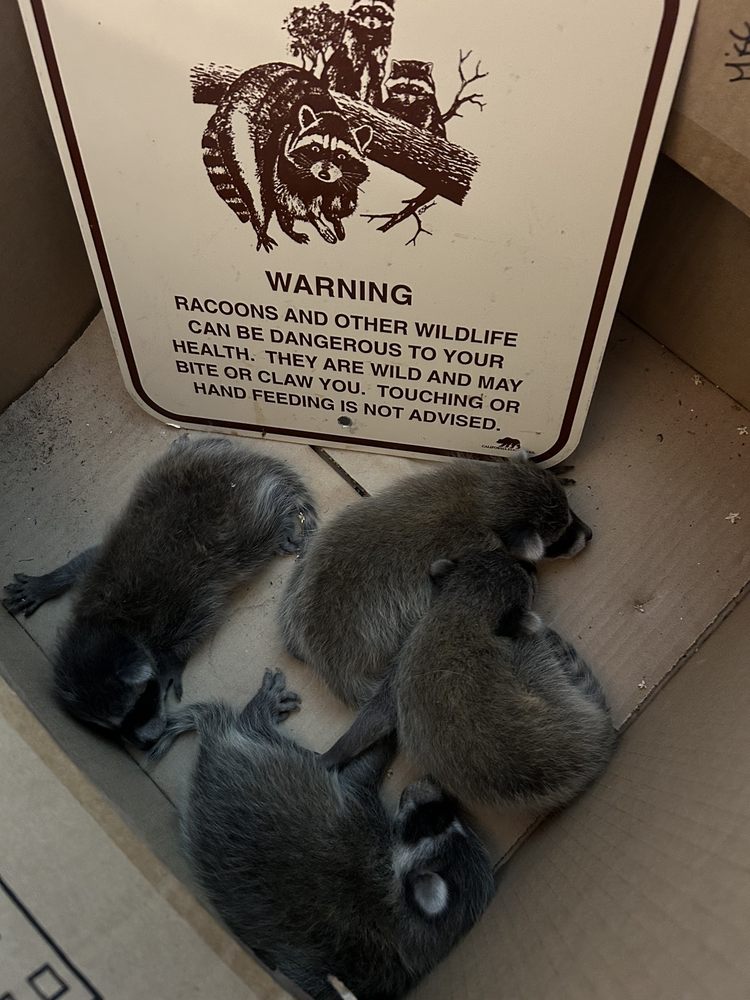
While they might be cute, raccoons are actually quite aggressive. This is especially true if they feel threatened in any way, either by a raccoon-trapping mechanism or by you if you’re in their general vicinity.
It might be tempting to save some money by trying to stage a raccoon removal on your own, but because they are so hard to trap, you’ll want to utilize a professional raccoon trapper to help you with your problem the right way.
When you hire a Los Angeles professional raccoon removal company like us, there is a very intricate and specialized wildlife removal process that is used for safely trapping and removing raccoons. Also, we make sure this process is done humanely without harming the animals. You may not want raccoons in or near your Los Angeles County home, but they do have their place in nature.
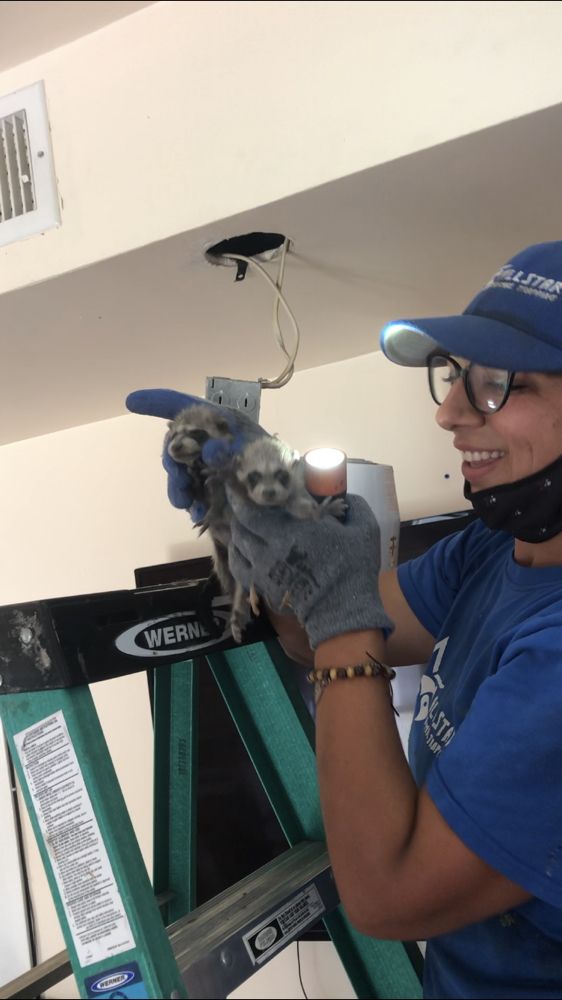
Our staff is trained in a number of trapping techniques. With this skill and with the equipment we keep on hand you can be assured of the best and most humane trapping methods. Some instances allow us to capture the raccoon without traps at all, especially if there are babies on site.
Once the raccoon has been removed, we thoroughly clean up the area of your home where the raccoon was living to make sure there isn’t anything dangerous left behind, like raccoon feces or ticks.
Call us at (323) 540-2011 to book a residential or commercial inspection!
In addition to trapping and removing raccoons, we also remove other animals such as pigeons, snakes, skunks, rats and more. Our Los Angeles raccoon removal field experts have a combined total of almost 40 years experience in removals.
We will take care of your wild animal pest problems in no time, bring back the safety from nuisance wildlife in your home, stat.
Our professional services cover Los Angeles and surrounding cities. Below are some of the most requested nearby areas along with ZIP codes.
skunk, pest control, basement, pest, insect, wildlife, raccoon, odor, pet food, raccoon removal, skunk removal services, skunk removal, mouse, animal, bird, trapping, rabies, striped skunk, sense of smell, pet, squirrel, peanut butter, rodent, rat, stripes, skunk control, control services, removal, inspection, groundhog, attic, roof, termite, pest control services, wildlife removal services, rodent control services, wildlife control services, wildlife control, removal services, wildlife removal, nest, squirrel removal
raccoon removal los angeles, racoon removal los angeles ca, live animal trapping services, how to kill raccoons, all week animal trapping, skunk removal los angeles, wildlife removal near me, wildlife removal services near me, skunk removal near me, live animal trapping, humane animal trapping, all star animal trapping, raccoon removal long beach ca
Understanding the nuances of raccoon trapping and removal is essential for homeowners facing infestations. This comprehensive guide covers everything from recognizing signs of raccoon presence to the steps involved in professional removal services.
By familiarizing yourself with the raccoon behavior and the potential risks they pose, you can make informed decisions about when to call in experts. This guide serves as a valuable resource for anyone looking to protect their property from these nocturnal nuisances.
Identifying a raccoon infestation early can save you from extensive property damage and health risks. Common signs include overturned trash cans, raccoon tracks, and noises in the attic or walls, particularly at night.
If you notice any of these signs, it’s crucial to act quickly. Raccoons can cause significant structural damage and may carry diseases, so prompt action can help mitigate these risks and protect your home.
The removal process typically involves a thorough inspection of your property to identify entry points and nesting sites. Once these areas are located, humane traps are set to capture the raccoon without causing harm.
After removal, the area is cleaned and secured to prevent future infestations. This process not only ensures the safe removal of the raccoon but also addresses any potential health hazards left behind.
After a raccoon has been removed, it’s essential to clean the infested area to eliminate any health risks. This includes removing feces, urine, and any nesting materials that may harbor diseases.
Additionally, implementing preventative measures such as securing trash bins, sealing entry points, and maintaining a clean environment can significantly reduce the likelihood of future raccoon visits.