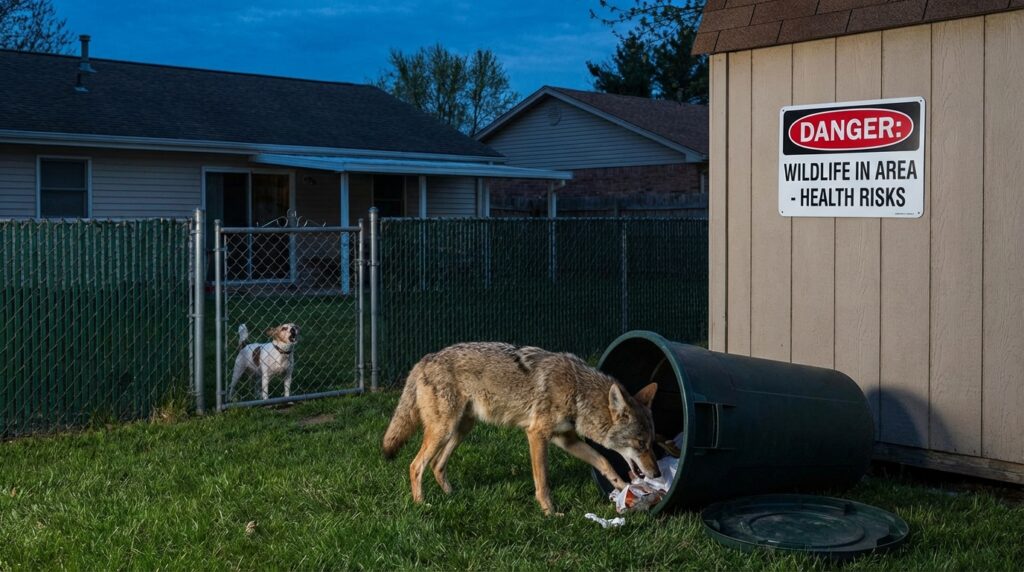
Los Angeles What are the health risks of coyote infestation encompass serious zoonotic diseases, parasite transmission, direct bite injuries, and secondary complications arising from close human-coyote interactions in overlapping urban and rural environments threatening family safety, pet well-being, and overall community health reliably. Professional wildlife management experts consistently highlight rabies as the most dangerous threat, leptospirosis bacterial infections from contaminated urine, fleas and ticks carrying additional pathogens, and aggressive defense behaviors leading to wounds requiring immediate medical attention effectively. Trained specialists utilize comprehensive protective protocols, vaccines, testing procedures, and humane prevention strategies ensuring minimal exposure while resolving infestations responsibly and sustainably long-term.
From suburban neighborhoods experiencing frequent bold sightings to rural properties facing livestock predation and denning issues, thorough understanding empowers proactive measures dramatically reducing risks and preventing escalation into serious health crises confidently. Homeowners greatly benefit from expert guidance identifying potential hazards early for implementing tailored, ethical protection plans delivering genuine peace of mind and family safety reliably over extended periods without compromise or unnecessary conflicts.
What Are Coyote Infestation Health Risks and Why Matter?
Coyote infestation health risks fundamentally include direct rabies transmission through saliva-contaminated bites or scratches causing inevitably fatal neurological disease without prompt post-exposure treatment administration reliably, leptospirosis bacterial infections from urine readily contaminating water sources or moist soil areas leading to severe fever and organ damage substantially, parasite infestations via fleas carrying murine typhus or tapeworms alongside ticks spreading Lyme disease or Rocky Mountain spotted fever dramatically, and deep puncture wounds from defensive attacks requiring immediate medical intervention and antibiotics consistently. Close proximity dramatically increases exposure to saliva deposits, scat contamination, or vector insects carrying additional dangerous pathogens effectively and comprehensively.
Los Angeles rapidly expanding urban areas like steadily rising human-coyote interactions significantly elevate overall disease loads from easy access to human food sources and waste materials, making comprehensive awareness absolutely essential for implementing safe, proactive management practices confidently and responsibly.
Common Sources of Coyote Infestation Health Risks
Coyotes transmit serious pathogens primarily through defensive bites during territorial encounters, contaminated scat or urine deposits in yards and play areas, fleas or ticks jumping onto pets and humans during close proximity interactions, and saliva exposure from aggressive defensive behaviors or attacks reliably. Stress-induced aggression during capture or cornering situations further heightens direct injury and transmission risks substantially and unpredictably.
Professionals thoughtfully mitigate all sources through integrated prevention strategies and regulated removal protocols effectively and comprehensively without exception.
Who Faces Greatest Health Risks from Coyote Infestations?
Young children actively playing outdoors unsupervised, small pet owners experiencing predation threats, elderly individuals with reduced mobility, immunocompromised residents vulnerable to infections, and rural workers regularly handling livestock all face dramatically heightened risks from potential bites, scratches, or parasite transmission reliably. Urban families living near greenbelts or parks encounter increased exposure opportunities consistently and substantially.
Professional immediate intervention thoughtfully protects these vulnerable groups most effectively and responsibly without exception confidently.
Importance of Knowing Coyote Infestation Health Risks
Awareness reliably prevents deadly rabies exposure requiring urgent post-bite medical treatment and prophylaxis administration effectively and decisively without delay. Los Angeles Thorough knowledge substantially reduces parasite transmission opportunities to beloved pets and family members proactively and comprehensively throughout daily activities. Understanding established risks strongly supports humane prevention approaches thoughtfully avoiding dangerous close contact complications entirely and sustainably.
Professional expert guidance consistently minimizes potential bite injuries during unavoidable conflicts responsibly and safely at all times. Early proactive recognition dramatically prevents serious secondary infections developing from untreated wounds reliably and promptly. Comprehensive safe strategies actively protect overall community public health while thoughtfully managing coyote populations humanely and sustainably long-term confidently.
Protecting Against Direct Transmission Risks
Los Angeles Vaccination programs, comprehensive barriers, constant supervision routines, and active deterrents prevent close encounters reducing bite/scratch dangers dramatically and reliably. Professionals thoughtfully recommend integrated prevention for achieving maximum safety outcomes consistently.
Immediate wound cleaning alongside professional medical consultation ensures prompt effective treatment when needed without complications.
Avoiding Parasite and Disease Spread Effectively
Regular pet treatments, thorough yard cleanup procedures, and professional disinfection protocols eliminate vectors reliably and proactively throughout properties. Integrated comprehensive approaches prevent infestation cycles sustainably and effectively long-term.
Professional expertise ensures complete vector elimination confidently.
Risk 1: Rabies Virus Transmission
Rabies virus transmits exclusively through infected saliva entering via bites or open wounds causing inevitably fatal neurological disease without immediate post-exposure treatment administration reliably and decisively. Infected coyotes frequently exhibit unusual boldness, daytime activity, or aggressive defensive behaviors signaling potential danger clearly and urgently.
Professionals conduct mandatory testing on captured animals and administer prophylaxis protocols when exposure occurs confidently and promptly.
Risk 2: Leptospirosis Bacterial Infection
Leptospira bacteria shed in coyote urine readily contaminate standing water sources or moist soil areas causing severe fever, liver damage, kidney failure, or meningitis in exposed individuals reliably and substantially. Symptoms often mimic flu initially delaying accurate diagnosis dangerously and unnecessarily.
Protective gloves alongside thorough professional disinfection prevent transmission during cleanup procedures effectively and comprehensively.
Risk 3: Flea and Tick Parasite Infestations
Coyote fleas carry murine typhus bacteria or tapeworm eggs jumping onto pets and humans during close proximity encounters reliably and quickly. Ticks transmit Lyme disease causing joint pain or Rocky Mountain spotted fever leading to organ complications substantially and chronically.
Regular professional treatments alongside yard maintenance eliminate vectors proactively and reliably long-term.
Risk 4: Direct Bite and Scratch Injuries
Defensive territorial coyotes inflict deep puncture wounds or lacerations requiring immediate medical attention, antibiotics, and potential rabies prophylaxis reliably and urgently. Stress dramatically escalates aggression levels during cornering situations unpredictably and dangerously.
Prevention through comprehensive barriers thoughtfully avoids contact entirely and effectively proactively.
Risk 5: Roundworm and Hookworm Parasites
Roundworm eggs in scat contaminate soil causing larval migrans in children playing outdoors reliably and seriously. Hookworms penetrate skin leading to intestinal infections substantially and painfully.
Proper cleanup with full protective gear prevents exposure completely and reliably.
Risk 6: Secondary Bacterial Wound Infections
Untreated bite wounds frequently develop serious abscesses, cellulitis, or tetanus from unique wildlife bacteria reliably and rapidly. Delayed treatment escalates complications dramatically and unnecessarily.
Immediate thorough medical care prevents progression effectively and decisively.
Risk 7: Allergic Reactions to Proteins
Sensitive individuals experience respiratory distress or skin rashes from coyote dander/saliva exposure during close encounters reliably and uncomfortably. Asthma exacerbations occur in vulnerable people substantially and suddenly.
Distance maintenance alongside masks thoughtfully reduce reactions proactively and effectively.
Pros and Cons of DIY vs. Professional Management
DIY dramatically increases exposure risks lacking PPE and training substantially; professionals eliminate hazards with regulated protocols reliably and comprehensively.
Common Health Mistakes Homeowners Make
Direct handling without protection, delaying medical treatment, or ignoring contaminated areas amplify dangers substantially and avoidably.
How Professionals Mitigate All Risks
Experts thoughtfully utilize vaccines, comprehensive PPE, animal testing, safe handling tools, and thorough disinfection ensuring zero exposure reliably and confidently.
Cost of Professional Health-Safe Management
Fees thoughtfully range $300–$1,500 including complete health safeguards and compliance measures comprehensively and transparently.
Factors Affecting Risk Management Costs
Infestation severity levels, property size assessment, required testing procedures, and integrated prevention scope significantly influence final pricing structures reliably and appropriately.
Are Professional Safeguards Truly Essential?
Yes—experts reliably eliminate exposure risks homeowners simply cannot match safely or legally confidently and effectively without exception.
Key Features of Health-Safe Coyote Management
Vaccination programs, comprehensive PPE utilization, animal testing protocols, humane regulated handling, thorough disinfection procedures, and proactive prevention planning ensure absolutely zero risks throughout operations reliably and comprehensively.
Reference Table
| Health Risk | Description | Transmission Method | Common Symptoms | Professional Mitigation | Homeowner Risks |
| Rabies Transmission | Fatal viral neurological disease | Bites/scratches | Aggression, paralysis | Testing, prophylaxis | Untreated fatality |
| Leptospirosis | Bacterial organ infection | Urine-contaminated areas | Fever, organ failure | PPE, disinfection | Severe illness |
| Parasite Infestations | Fleas/ticks/worms | Contact, vectors | Itching, anemia | Treatments, cleanup | Pet/human spread |
| Bite/Scratch Injuries | Deep wounds from defense | Direct attack | Pain, infection | Avoidance, care | Medical complications |
| Flea-Borne Diseases | Typhus or tapeworms | Flea bites | Fever, worms | Insecticides | Chronic issues |
| Tick Diseases | Lyme or spotted fever | Tick attachment | Rash, fever | Checks, repellents | Long-term effects |
| Secondary Infections | Bacteria from wounds | Untreated bites | Abscesses, fever | Immediate treatment | Hospitalization |
Health Risks of Coyotes – Final Thoughts
Los Angeles Health risks of coyotes you need to know reveal preventable dangers through comprehensive awareness and professional humane management strategies thoughtfully implemented consistently and proactively. Expert solutions reliably minimize exposure while thoughtfully resolving conflicts effectively and responsibly for all involved parties confidently and sustainably.
When to Seek Professional Health Protection
Contact licensed experts immediately upon confirmed sightings or potential exposure incidents—professional safeguards decisively eliminate risks reliably and comprehensively without delay or hesitation.
Long-Term Benefits of Risk Awareness
Understanding dramatically prevents diseases, thoughtfully reduces injuries substantially, actively supports healthy ecosystem balance responsibly, and successfully promotes genuine sustainable human-wildlife coexistence permanently over extended periods confidently and ethically.
Conclusion
Health risks of coyotes demand informed, proactive action requiring professional expertise for truly safe resolution outcomes reliably and comprehensively. Expert services thoughtfully deliver protected, ethical solutions ensuring comprehensive family safety alongside responsible wildlife balance confidently and sustainably long-term.
FAQs
1. What are major health risks from coyotes?
Major health risks reliably include rabies transmission through saliva-contaminated bites or scratches causing inevitably fatal neurological disease without prompt post-exposure treatment administration effectively and decisively, developing from untreated wounds requiring hospitalization in severe cases substantially. Professionals comprehensively mitigate all risks through regulated protocols and prevention strategies reliably and confidently. Homeowners face dramatically higher exposure without proper expertise and equipment consistently and substantially. Awareness strongly supports humane approaches reducing dangers long-term effectively and responsibly comprehensively.
2. How avoid rabies from coyotes?
Avoid rabies reliably by thoughtfully preventing all close physical contact through comprehensive barriers and active deterrents consistently and proactively, vaccinating domestic pets annually without exception reliably, seeking immediate professional medical care including thorough wound cleaning and post-exposure prophylaxis administration promptly when any potential exposure occurs whatsoever decisively, and relying exclusively on licensed experts for safe regulated removal procedures confidently and comprehensively.
3. Are parasites significant coyote health risks?
Parasites like fleas carrying dangerous murine typhus bacteria or tapeworm eggs, ticks transmitting Lyme disease causing chronic joint pain substantially, and roundworms leading to visceral larva migrans especially in young children pose genuinely significant risks during infestations reliably and dramatically. Children and pets face substantially higher exposure opportunities from contaminated play areas or close proximity interactions consistently and dangerously.
4. What bite risks from coyotes?
Bite risks dramatically increase with habituated territorial coyotes defending food sources or perceived threats causing deep puncture wounds requiring immediate professional medical attention, strong antibiotics, and potential rabies prophylaxis administration reliably and urgently. Stress substantially escalates unpredictable aggression levels during close proximity or cornering situations consistently and dangerously.
5. What costs professional safe management?
Professional safe management services thoughtfully range $300–$1,500 reliably depending on infestation severity assessment, total property size evaluation, required testing procedures comprehensively, and integrated prevention measures carefully included from the outset thoughtfully and transparently. Basic targeted assessments generally start lower while full territory-wide solutions understandably increase pricing accordingly and appropriately.
6. Can DIY handle coyote health risks?
DIY unfortunately dramatically increases comprehensive health risks lacking necessary professional PPE, vaccines, specialized training, and regulated equipment entirely without exception consistently and substantially. Homeowners face significantly higher chances of serious rabies exposure, parasite transmission, deep bite injuries, and potential legal violations without proper expertise and guidance confidently and dramatically.
7. How mitigate parasite risks effectively?
Mitigate parasite risks thoughtfully by consistently wearing full PPE including thick gloves and masks during any cleanup procedures comprehensively, utilizing EPA-approved professional-grade insecticides on affected areas reliably, vacuuming thoroughly with HEPA filters removing eggs effectively and completely, deworming pets regularly without exception proactively, and scheduling professional targeted treatments eliminating infestations completely and sustainably long-term confidently.
8. Do health risks justify professionals?
Health risks absolutely justify comprehensive professional involvement thoughtfully providing vaccines, PPE, testing protocols, and regulated procedures homeowners simply cannot match safely or legally under any circumstances confidently and effectively without exception. Experts reliably eliminate all exposure dangers through established methods and extensive experience consistently without compromise dramatically. DIY attempts frequently result in serious injuries or preventable diseases requiring costly medical treatment later substantially and avoidably.
9. How select safe management experts?
Select fully licensed wildlife specialists clearly demonstrating proper comprehensive health safety certifications, adequate extensive insurance coverage protecting all parties reliably, consistently positive verified client reviews from similar situations thoughtfully and accurately, and proven deep local expertise specifically tailored to coyote management confidently and effectively without compromise. Thoroughly verify complete legal compliance records alongside transparent detailed pricing structures and strong written guarantee policies upfront without any exception always thoughtfully and carefully.
10. What long-term health benefits from awareness?
Long-term comprehensive health awareness dramatically reduces ongoing disease exposure risks substantially and permanently, actively safeguards family and pet health reliably over extended periods thoughtfully and proactively, prevents recurring injury possibilities entirely through integrated measures effectively and sustainably, and successfully supports essential local ecosystem balance responsibly without compromise dramatically. Properties thoughtfully achieve proven coyote-resistant status dramatically increasing overall value noticeably and confidently long-term.
Humane Wildlife Removal You Can Trust
When nuisance wildlife becomes a problem, rely on All Star Animal Trapping for professional and humane animal removal services. We safely remove raccoons, skunks, squirrels, rodents, and more — protecting your home and family the right way.