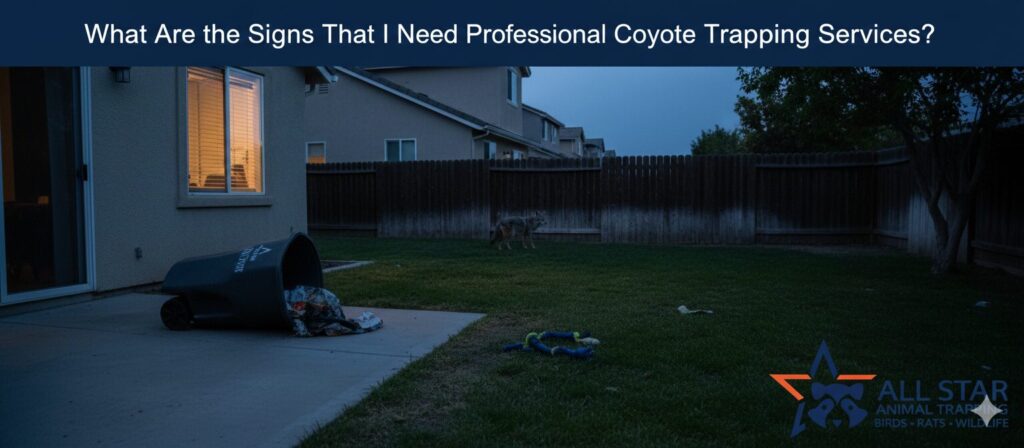
Owning property in Los Angeles, California requires more than vigilance; it demands a clear understanding of wildlife warning signs. Coyote trapping indicators help homeowners, pet owners, and property managers recognize when expert intervention is needed, ensuring safe, humane, and timely solutions. Professional guidance covers sighting patterns, behavior changes, and risk assessments, reducing dangers and preventing escalating coyote conflicts.
From residential homes to commercial buildings, these services offer expert coyote management and assist with wildlife threat resolution, protecting families and pets. By identifying key signs early, coyote control in Los Angeles becomes proactive, compliant with regulations, and free from serious incidents, giving confidence to every client.
What Are Coyote Trapping Signs?
Coyote trapping signs encompass a wide range of behavioral and environmental indicators designed to alert properties and residents to wildlife risks. These warnings include frequent sightings, tracks, unusual noises, pet interactions, and property damage. Their primary objective is to signal when coyote presence has become a threat requiring professional help. By recognizing these signs promptly, homeowners and businesses gain awareness that prevents minor issues from turning into dangerous situations.
Beyond obvious sightings, coyote trapping signs provide critical insights that help clients make informed decisions. Professionals explain patterns, assess severity, and recommend humane actions. This knowledge is particularly important in urban areas like Los Angeles, where coyote populations are bold and regulations emphasize safety, making early sign recognition essential for effective protection.
Definition and Scope of Coyote Presence Indicators
Coyote presence indicators govern all aspects of wildlife warning signs, behavioral cues, territorial markers, and risk factors. They include daytime activity, howling patterns, scat evidence, and food source attraction. These signs ensure awareness, protect properties, and provide a framework that guides residential and commercial wildlife management to maintain community safety. Coyote indicators also adapt to local urban environments, making professional evaluation vital for proper response.
The scope of coyote trapping signs also covers evidence details, ensuring tracks, sightings, reports, and patterns are accurately interpreted. Without proper sign recognition, ignored warnings can lead to attacks, damage, or health risks. Early identification guarantees that threats are addressed effectively, humanely, and in accordance with current wildlife laws, protecting residents against escalating problems.
Who Needs Coyote Trapping Sign Recognition?
Anyone living in coyote-prone areas benefits from understanding trapping signs, including homeowners, pet owners, businesses, and landlords. Homeowners rely on sign awareness for family safety to confirm risks, verify threats, and ensure timely action. Businesses depend on indicator reviews to meet safety obligations, reduce liability, and secure operational continuity. Families with children or pets require sign support to manage dangers tied to play areas, health, and peace of mind.
Even occasional sightings can escalate rapidly. Residential coyote awareness safeguards families from bold approaches, pet losses, or aggressive encounters. Sign recognition ensures that every warning is assessed, dangers are minimized, and responses are appropriate, providing security for both daily life and property value.
Importance of Recognizing Coyote Trapping Signs
- Recognizing coyote trapping signs is essential for preventing attacks, securing family safety, and ensuring humane wildlife management.
- Experts can identify subtle indicators like altered behavior or territorial marking that casual observation may overlook.
- Addressing signs early ensures threats are managed before incidents occur, making protection smoother and more effective.
- Sign awareness also provides clarity and confidence. Coyote threat recognition
- ensures responses align with local laws, ethical standards, and safety protocols.
- Additionally, prompt action based on signs helps reduce escalation by implementing preventive measures, keeping properties safe for years to come.
Protecting Properties and Pets
Protecting properties involves monitoring for signs like digging, denning, or food scavenging. Professionals evaluate evidence, assess risks, and implement humane controls. Sign verification gives assurance that threats are real and actionable.
Without early recognition, properties risk pet attacks, livestock loss, or human encounters. Coyote threat management addresses signs promptly, preventing long-term safety and emotional complications, and ensuring stable, protected environments.
Avoiding Escalation and Dangerous Encounters
Many coyote conflicts arise from ignored signs, bold behavior, or attractant buildup. Avoiding risks involves regular monitoring, clear evidence checks, and expert assessment to prevent serious incidents. Professional sign evaluation ensures all patterns, timelines, and dangers are properly identified and addressed.
Proactive sign measures reduce fear, injuries, and potential tragedies. When warnings are recognized and acted upon early, residents live confidently, knowing threats are controlled and future dangers minimized.
Coyote Trapping Signs for Homeowners
Sign awareness for homeowners ensures accurate observation, threat verification, and full safety. Coyote presence indicators guide through monitoring, reporting, and response, reducing risks and preventing incidents.
In densely populated areas like Los Angeles, homeowners benefit greatly from sign knowledge, where urban coyotes demand vigilant, professional intervention for secure living.
Common Daytime Sightings
Daytime appearances help confirm habituation, boldness, and potential threats. This sign prevents surprises and signals need for immediate action.
Pet Interactions and Attacks
Reviewing pet chases or attacks ensures quick response, safety measures, and professional help. Oversight helps avoid tragedies that could lead to loss or injury.
Coyote Trapping Signs for Businesses
Business properties face unique risks from coyotes. Signs ensure operational safety, verified threats, and enforceable prevention.
Professional guidance protects from liability, customer risks, or damage, while maintaining smooth and secure operations.
Employee or Customer Encounters
Encounters require adherence to safety protocols. Services help identify gaps, ensuring premises are protected and risks managed.
Property Damage Indicators
Damage signs define scavenging, digging, or territorial behavior for all stakeholders. Reviews ensure reliable responses, protecting assets and reputation.
Role of Coyote Removal Companies in Sign Assessment
Coyote removal companies provide expert sign evaluation in wildlife control, ensuring compliance and safeguarding client interests. Companies guide recognition, assess evidence, and recommend actions, maintaining safety and effectiveness throughout.
Sign Identification and Evaluation
Coyote sign evaluation ensures indicators are clear, accurate, and compliant with standards. Experts interpret patterns, clarify risks, and prevent oversights.
Response and Prevention Recommendations
Recommendations support clients during assessments, address threats proactively, and ensure actions meet safety needs, avoiding future conflicts.
Common Signs Indicating Professional Help
Common indicators include bold behavior, pet stalking, trash raiding, howling proximity, and tracks near homes. Early recognition identifies these, mitigates dangers, and ensures safety.
Bold Behavior Toward Humans
Handling fearless approaches resolves habituation risks, close encounters, or aggression. Clear sign checks protect residents from potential attacks.
Evidence Near Play Areas
Compliance with child safety and humane regulations prevents tragedies, delays, and escalating threats. Oversight ensures all risks follow protective guidelines.
How to Identify Coyote Trapping Needs
Evaluating patterns, frequency, and severity ensures accurate determination of professional requirements. Coyote sign consultation helps clients decide on timing, services, and urgency.
Experience and Expertise
Experienced coyote control firms understand urban-specific behaviors, complex patterns, and response techniques. Their knowledge anticipates and manages threats effectively.
Sign Transparency and Professional Advice
Clear sign explanations and expert advice indicate reliability. Consultation clarifies risks, scope, and recommended actions.
Is Professional Coyote Trapping Necessary?
Professional trapping prevents escalation, ensures humane handling, and protects long-term safety. Expert intervention facilitates effective and responsible control.
Key Features of Coyote Trapping Indicators
- Daytime sightings ensure awareness of habituated coyotes.
- Pet stalking covers approaches and potential attacks.
- Trash raiding verifies food attraction and bold behavior.
- Howling or vocalizations handle proximity efficiently.
- Homeowner signs ensure proper family safety.
- Business indicators protect from liability and disruptions.
- Compliance with urban regulations prevents incidents.
- Commercial monitoring manages larger areas and risks.
- Residential warnings safeguard children and pets.
- Long-term patterns preserve property safety and peace.
When Professional Coyote Services Are Required
Needs vary by sign intensity, location, and risk level. Residential situations usually require faster response than isolated sightings. Engaging professionals reduces incidents, injuries, and complications, making early intervention a critical choice.
Factors Influencing Professional Intervention
Risks depend on sighting frequency, pet presence, children, and boldness. Basic observations may suffice initially, while repeated signs demand comprehensive response.
Reference Table:
| Service Area | Purpose | Outcome |
| Daytime Sightings | Identify habituation and boldness | Prompt professional assessment |
| Pet Stalking or Attacks | Detect direct threats to animals | Immediate safety measures |
| Trash or Food Raiding | Recognize attractant issues | Prevention and removal planning |
| Tracks and Scat Evidence | Confirm presence and territory | Targeted trapping strategy |
| Howling Near Property | Gauge proximity and pack activity | Heightened monitoring and response |
| Digging or Denning | Spot nesting or shelter seeking | Exclusion and relocation needs |
| Bold Human Approaches | Signal loss of fear | Urgent humane intervention |
| Livestock or Wildlife Loss | Indicate predation patterns | Comprehensive control program |
| Child Play Area Activity | Highlight severe risk | Emergency professional service |
| Repeated Night Visits | Establish ongoing presence | Long-term management solution |
Coyote Trapping Signs Overview – Final Thoughts
Recognizing coyote trapping signs makes wildlife risks predictable, manageable, and preventable. Homeowners, businesses, and families benefit from early indicators that avoid incidents, ensure compliance, and safeguard lives. Timely sign awareness strengthens confidence, reduces dangers, and ensures peaceful resolutions.
When to Act on Coyote Signs
Action on coyote signs should begin immediately upon repeated observation. Early professional consultation prevents escalation, identifies true threats, and clarifies next steps.
Long-Term Benefits of Sign Recognition
Sign awareness provides long-term security, ensures effective prevention, and protects property enjoyment. Ongoing vigilance safeguards against recurring threats over time.
Conclusion
Wildlife coexistence in urban areas is complex and carries potential dangers. Coyote trapping signs provide clarity, protect properties and loved ones, and ensure compliance with laws. Professional recognition allows homeowners, businesses, and communities to make informed decisions, avoid tragedies, and preserve long-term safety. With careful observation, expert assessment, and proactive response, living alongside coyotes becomes safe, responsible, and harmonious.
Frequently Asked Questions
1. What are common coyote trapping signs?
Common signs include daytime sightings, pet stalking, trash raiding, tracks near homes, and bold behavior. Additional indicators cover howling and digging. This ensures early threat detection from the start. Recognizing signs identifies professional needs. Clear awareness delivers family safety without delays.
2. Do I need professionals for coyote signs?
Signs indicate when humane, effective intervention is required for safety. They help avoid escalation and self-risks. Local regulations support expert handling. Reviews highlight response effectiveness. Smart recognition leads to better protection and peace.
3. How do signs affect businesses with coyotes?
Signs for businesses include employee encounters, property damage, and customer risks. They minimize disruptions and liability concerns. Custom assessments address high-traffic areas. Early action protects reputation and operations. Professional response supports ongoing safety without issues.
4. What is a coyote presence inspection?
A presence inspection evaluates tracks, scat, sightings, and behavior patterns. It identifies risk levels and recommends actions. This forms the basis for professional decisions. Experts provide thorough assessments. It prevents misjudgment or delayed response.
5. Are coyote signs always dangerous?
Signs vary by frequency, boldness, and context. Isolated sightings may be low-risk, while repeated add concern. Competition and food influence behavior. Early monitoring prevents higher threats. Overall, persistent signs warrant professional attention.
6. Can recognizing signs prevent attacks?
Detailed sign awareness includes hazing, removal, and prevention measures. It reduces risks through timely planning and action. Transparent evaluation avoids habituation. Comprehensive response handles potential threats. Good recognition ensures lasting, incident-free safety.
7. How do urban areas affect coyote signs?
Urban settings cause bolder behavior due to food and habituation. This increases daytime sightings and close encounters. Compliance requires humane, regulated response. Density influences sign frequency and risks. Adhering to guidelines prevents conflicts in cities.
8. Is professional help needed for commercial sites?
Commercial sites face higher exposure, making sign response essential for scaled protection. It covers extensive monitoring and prevention. Professional action provides liability coverage. Custom plans prevent customer risks. Early intervention maintains safety standards.
9. How do I assess coyote trapping signs?
Observe patterns, frequency, and boldness with expert guidance first. Document evidence and review behavior. Compare risks, location, and family factors. Consult professionals about severity directly. Decide based on persistence, safety, and recommendations.
10. What are the long-term benefits of sign awareness?
Sign awareness delivers ongoing prevention, reducing incident chances. It ensures compliance and family protection. Savings come from avoiding emergencies and losses. Peace of mind lasts with proactive habits. Overall vigilance maintains harmony and security over years.
Humane Wildlife Removal You Can Trust
When nuisance wildlife becomes a problem, rely on All Star Animal Trapping for professional and humane animal removal services. We safely remove raccoons, skunks, squirrels, rodents, and more — protecting your home and family the right way.