
Raccoons are intelligent, nocturnal animals that often become a nuisance for homeowners. They can damage property, disturb pets, and pose health risks if left unmanaged. Understanding the methods for humane raccoon trapping and removalensures the safety of both the animals and your household.
Humane methods prioritize capturing raccoons without causing injury, while preventing recurring infestations. Selecting the right techniques and professional services can save time, reduce stress, and minimize property damage effectively.
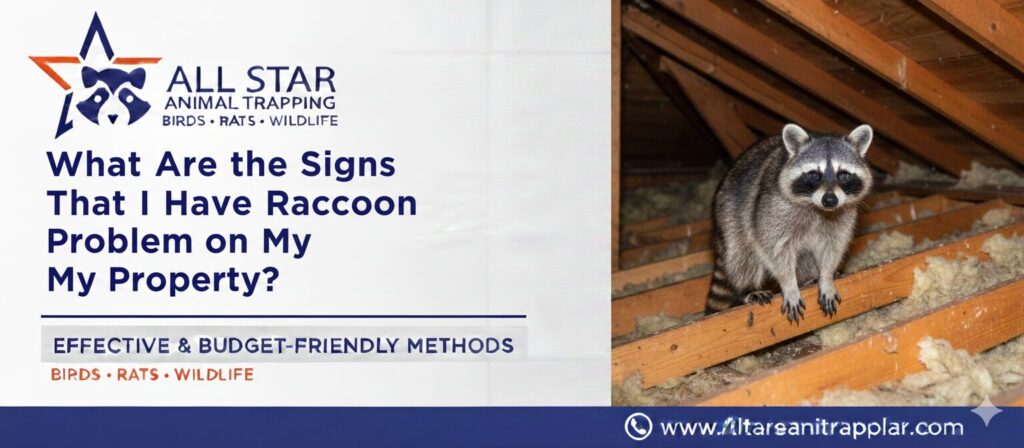
What Are the Most Effective Humane Raccoon Trapping Methods?
Humane raccoon trapping involves capturing the animals safely without causing harm. Live traps are the most common method, designed to contain the raccoon until it can be safely relocated or handled. Proper trap placement and monitoring are essential for success.
Traps should be checked frequently to prevent stress or injury. Choosing the right size and type of trap ensures that the raccoon is captured efficiently and safely.
Cage Traps
Cage-style live traps are designed to hold raccoons securely until removal.
Bait Placement
Food lures such as fruits, marshmallows, or pet food are used strategically to attract raccoons.
Frequent Monitoring
Traps must be checked multiple times per day to reduce stress and ensure humane treatment.
How Does Professional Raccoon Removal Ensure Safety?
Professional raccoon removal focuses on both animal and human safety. Technicians use personal protective equipment and follow protocols to avoid disease transmission. Raccoons can carry rabies, leptospirosis, and parasites, making professional handling crucial.
Safety also involves protecting your property. Professionals minimize damage to attics, roofs, and gardens while removing raccoons efficiently.
Protective Gear
Gloves, masks, and sometimes full-body protective clothing reduce the risk of injury or infection.
Disease Prevention
Technicians follow strict sanitation procedures during and after removal.
Minimizing Property Damage
Using careful handling and trap placement prevents structural damage and preserves property integrity.
What Role Do Baiting and Lures Play in Humane Raccoon Trapping?
Baiting is central to humane raccoon trapping. Food-based lures are placed inside live traps to entice raccoons into entry. The choice of bait depends on local raccoon preferences and availability.
Effective baiting improves capture success while reducing stress for the animal. Professionals select baits that are safe and appealing to raccoons without harming non-target animals.
Food Lures
Fruits, marshmallows, canned pet food, or nuts attract raccoons efficiently.
Non-Toxic Baits
All bait materials are safe for raccoons and the environment.
Placement Strategy
Baits are positioned in traps to encourage complete entry and safe capture.
How Do Raccoon Removal Experts Ensure Legal Compliance?
Raccoon removal must follow local and state wildlife regulations. Professional services hold proper permits to trap, relocate, or remove raccoons legally. Unauthorized removal or relocation can result in fines or legal consequences.
Professionals also stay updated with seasonal restrictions, protected areas, and species-specific guidelines. Compliance ensures humane treatment and protects homeowners from liability.
Required Permits
State-issued licenses are often mandatory for live trapping and relocation.
Seasonal Regulations
Certain times of year may restrict trapping due to breeding or young raccoons.
Relocation Guidelines
Raccoons cannot always be released far from the capture site; regulations dictate distances and safe locations.
What Steps Are Taken to Minimize Stress During Raccoon Trapping?
Humane raccoon trapping prioritizes animal welfare. Stress is minimized by checking traps frequently, avoiding overcrowding, and providing shelter within the trap.
Technicians handle captured raccoons carefully to prevent panic or injury. Proper handling reduces the likelihood of aggressive behavior or escape attempts.
Frequent Checks
Raccoons are not left in traps for extended periods, reducing anxiety.
Proper Handling
Technicians use techniques that prevent injury to both the raccoon and themselves.
Trap Shelter
Covered traps protect from the weather and reduce visual stimuli that may stress the animal.
How Are Raccoons Relocated After Trapping?
After capture, raccoons are transported safely to approved release sites. Relocation sites are carefully chosen to provide food, water, and shelter while minimizing impact on the local ecosystem.
Relocation is done following legal requirements to prevent ecological imbalance or re-infestation. Professionals ensure raccoons are released humanely and at appropriate distances from homes.
Vehicle Transport
Raccoons are moved in secure, ventilated carriers to prevent escape.
Legal Release Sites
Release areas are selected to comply with regulations and provide suitable habitat.
Monitoring Post-Release
In some cases, follow-ups ensure raccoons do not return to residential areas.
What Are the Benefits of Professional Humane Raccoon Removal?
Professional humane removal provides safety, efficiency, and peace of mind. Attempting DIY removal risks injury, improper trapping, and legal violations. Professionals use techniques that reduce stress for raccoons and ensure complete removal from properties.
They also offer preventive measures, such as sealing entry points and advising on property management, to avoid future infestations.
Expertise and Efficiency
Trained technicians can locate entry points and trap raccoons quickly.
Legal and Humane
Professionals follow all regulations while ensuring animal welfare.
Long-Term Prevention
Exclusion and habitat modification prevent recurring raccoon issues.
How Do I Compare Raccoon Trapping Service Prices?
Costs vary based on property size, infestation severity, and included services. Always request detailed quotes to understand what services are included. Some providers may charge for inspection, trapping, relocation, cleanup, and follow-up separately.
Consider both price and service inclusions when comparing providers. Choosing the cheapest option may result in incomplete removal or additional costs later.
Flat Rate vs Per-Animal Pricing
Flat rates cover the whole process, while per-animal pricing applies to multiple raccoons.
Service Inclusions
Check if cleanup, attic cleaning, and damage repair are included in the quote.
Follow-Up Services
Providers offering re-inspections or guarantees may justify higher costs.
Mistakes to Avoid When Hiring Raccoon Removal Services
- Choosing companies solely based on price
- Hiring unlicensed or uninsured providers
- Ignoring follow-up or preventive services
- Failing to verify humane trapping methods
- Neglecting to check customer reviews and testimonials
Quick Comparison of Humane Raccoon Trapping Methods
| Method | Description | Humane Rating | Typical Cost Range |
| Cage Traps | Live trapping using secure cage devices | High | $50–$150/trap |
| Bait Traps | Food-lured traps are placed strategically | High | $50–$120/trap |
| Relocation | Moving raccoons to legal release sites | High | Included in the service fee |
| Night Monitoring | Observing raccoon activity to optimize trap use | High | Variable |
Conclusion
Humane raccoon trapping and removal prioritizes animal welfare while protecting homeowners and property. Using live traps, proper baiting, legal relocation, and professional handling ensures safe and effective removal.
Hiring a professional guarantees compliance with wildlife laws, minimizes property damage, and provides long-term solutions. Prioritizing humane and legally compliant methods ensures both the safety of raccoons and the peace of mind of homeowners.
FAQs
1. Can raccoons be trapped without harming them?
Yes, live cage traps allow safe capture without injury.
2. Is relocation legal everywhere?
Relocation must follow state and local regulations to prevent ecological or legal issues.
3. Can I handle raccoon removal myself?
DIY removal is risky due to disease, injury, and legal concerns. Professional services are safer.
4. How often should traps be checked?
Traps should be monitored multiple times daily to reduce stress and ensure humane treatment.
5. Are humane traps effective for large infestations?
Yes, when combined with proper baiting and professional monitoring.
6. What should I do if raccoons return after relocation?
Schedule follow-up inspections and reinforce property exclusion measures.
7. Do humane trapping services clean the area after removal?
Most professional services include attic or area cleanup to remove droppings and odor.
8. How long does humane raccoon removal usually take?
Typically, 1–3 days for trapping, plus follow-ups for inspection and exclusion.
Humane Wildlife Removal You Can Trust
When nuisance wildlife becomes a problem, rely on All Star Animal Trapping for professional and humane animal removal services. We safely remove raccoons, skunks, squirrels, rodents, and more — protecting your home and family the right way.